Русский
  Română


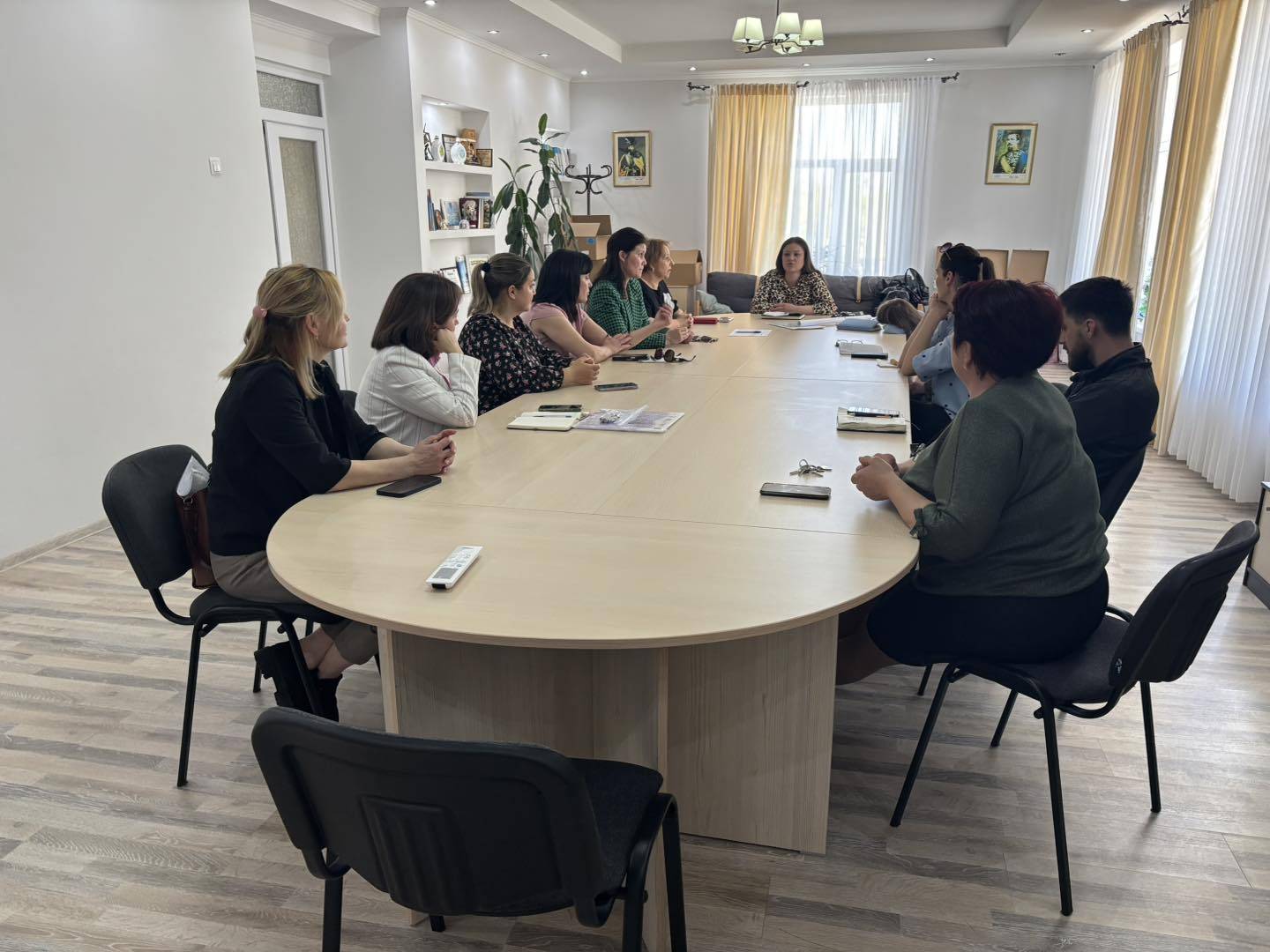
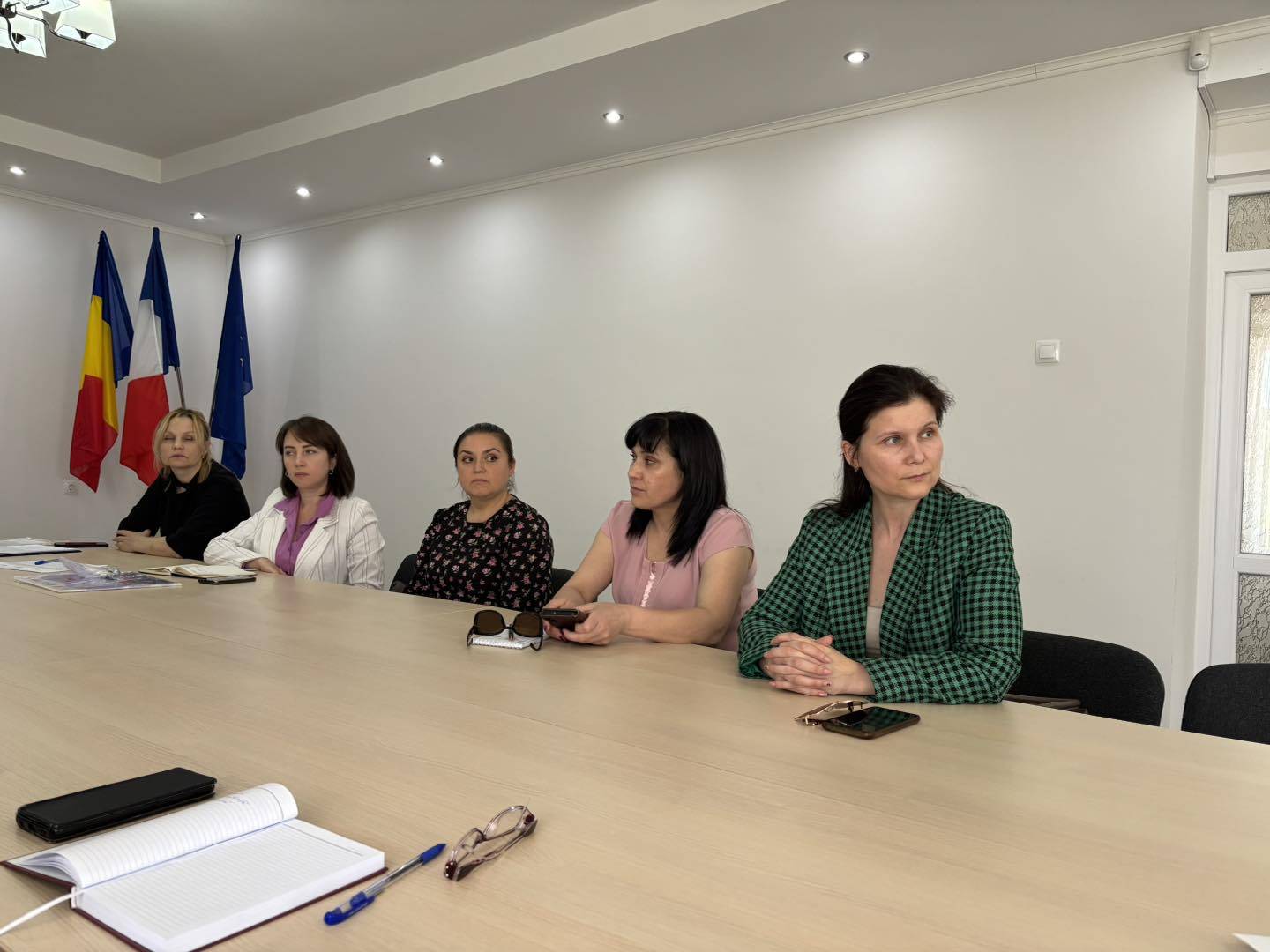
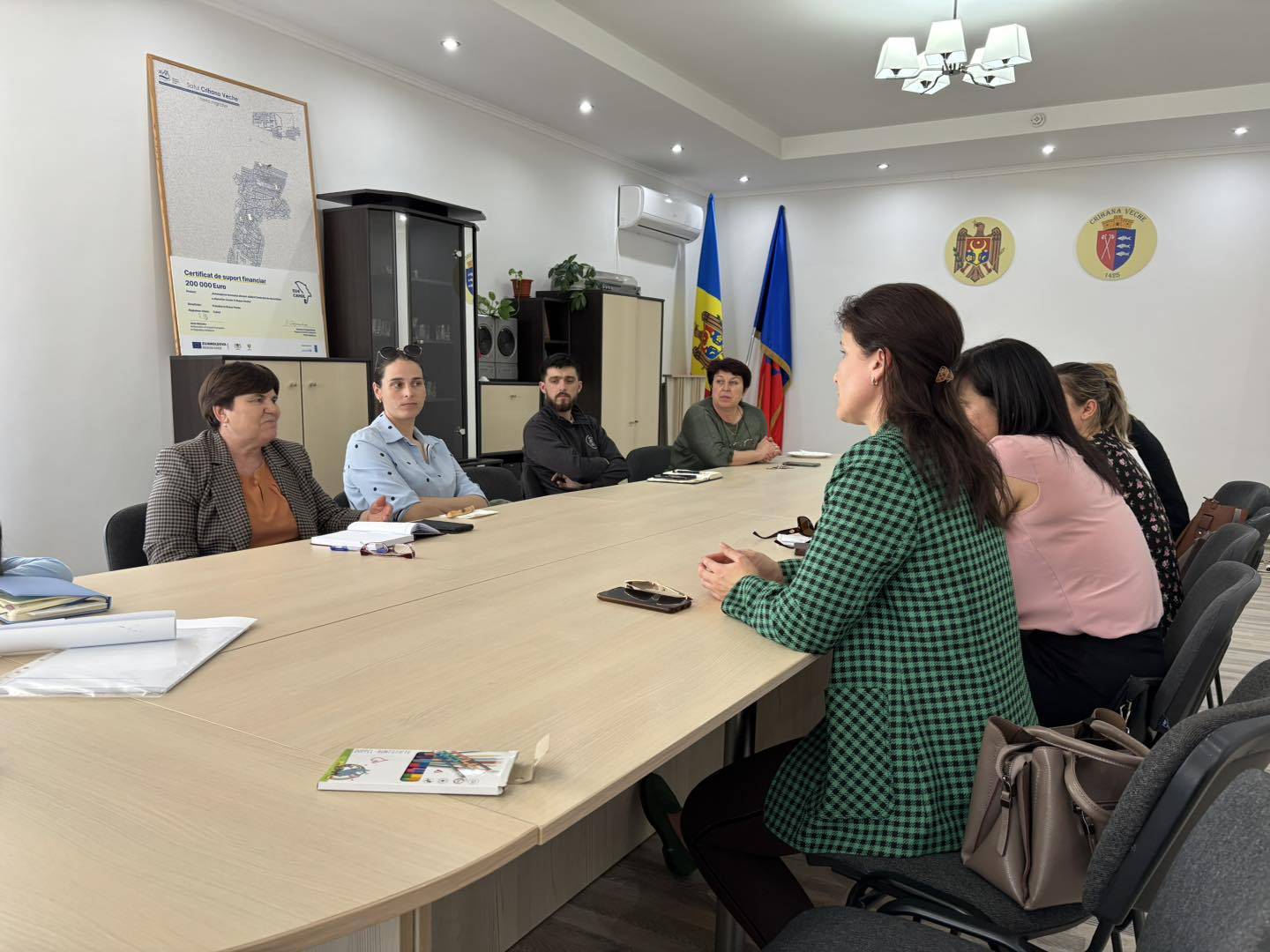
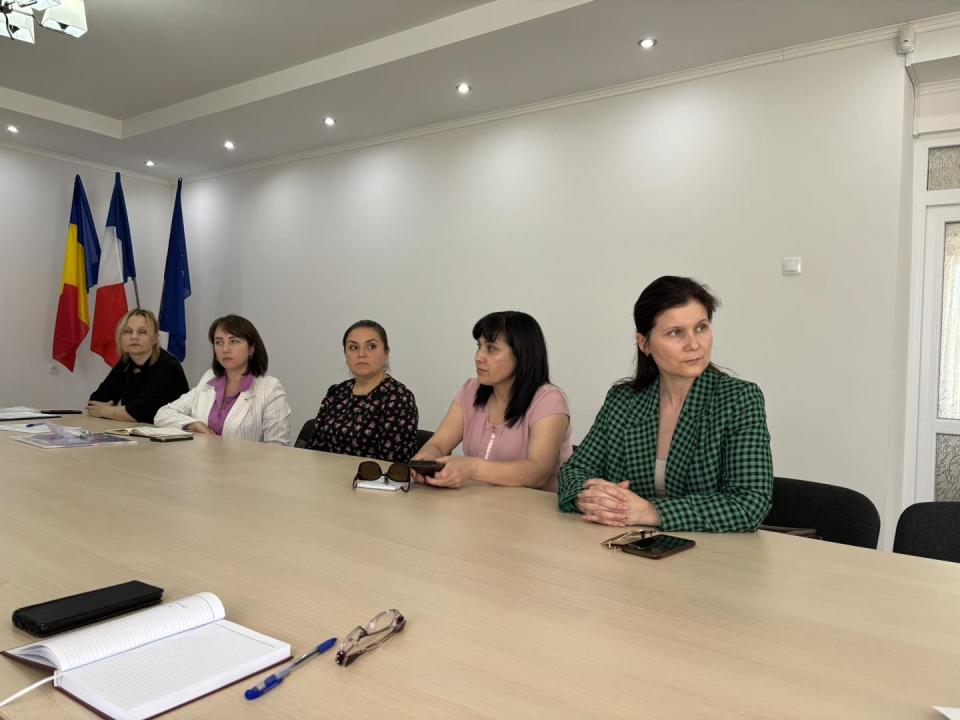
The Regional Community Development Center (CRDC) continues to invest in the development of inclusive education, through a working meeting held at the Crihana Veche Town Hall, together with representatives of the local public administration and the Multidisciplinary Commission.
The main objective of the meeting was to identify concrete steps to ensure the continuity and sustainability of the Inclusive Education Resource Center (CREI), developed within the “A.R.I.P.I.” project, as well as to strengthen local mechanisms required for its long-term operation.
During the meeting:
preliminary project results were presented, highlighting the positive impact already experienced by children, parents, teachers, and the wider community;
solutions for integrating the center into local development plans were explored, including the clarification of institutional responsibilities for sustainable operation;
the planning process was initiated for the Community Event “A.R.I.P.I.: Together for Inclusion and Progress”, a public activity aimed at showcasing the project’s journey and bringing the community together around shared values of inclusion, cooperation, and mutual support.
The open dialogue between local authorities, specialists, and the CRDC team emphasized the importance of local partnerships in developing inclusive services and the need for a coordinated approach to addressing the needs of children with special educational requirements.
We thank all participants for their engagement, valuable input, and openness to collaboration. The process of strengthening inclusive education at the local level continues, and we will soon return with updates on the next steps and planned activities.
This activity is implemented within the project “A.R.I.P.I. – Assistance and Resources for Inclusion and Individual Progress”, carried out by the Regional Community Development Center, as part of the “Active Citizens, Prosperous Communities” programme, implemented by the East Europe Foundation – Moldova, with financial support from the Embassy of Sweden in Chisinau and Swiss Cooperation in Moldova.