Русский
  Română


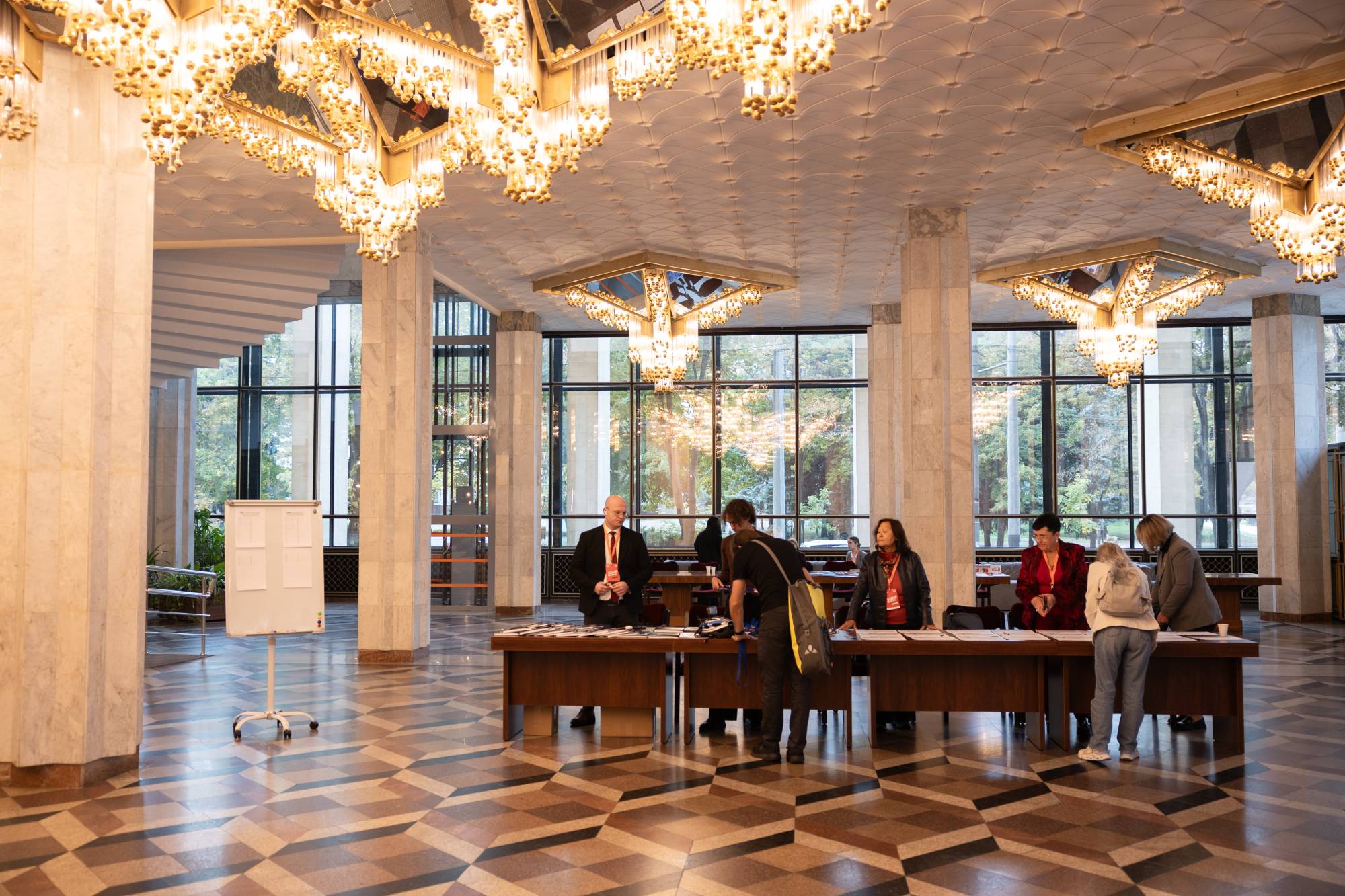
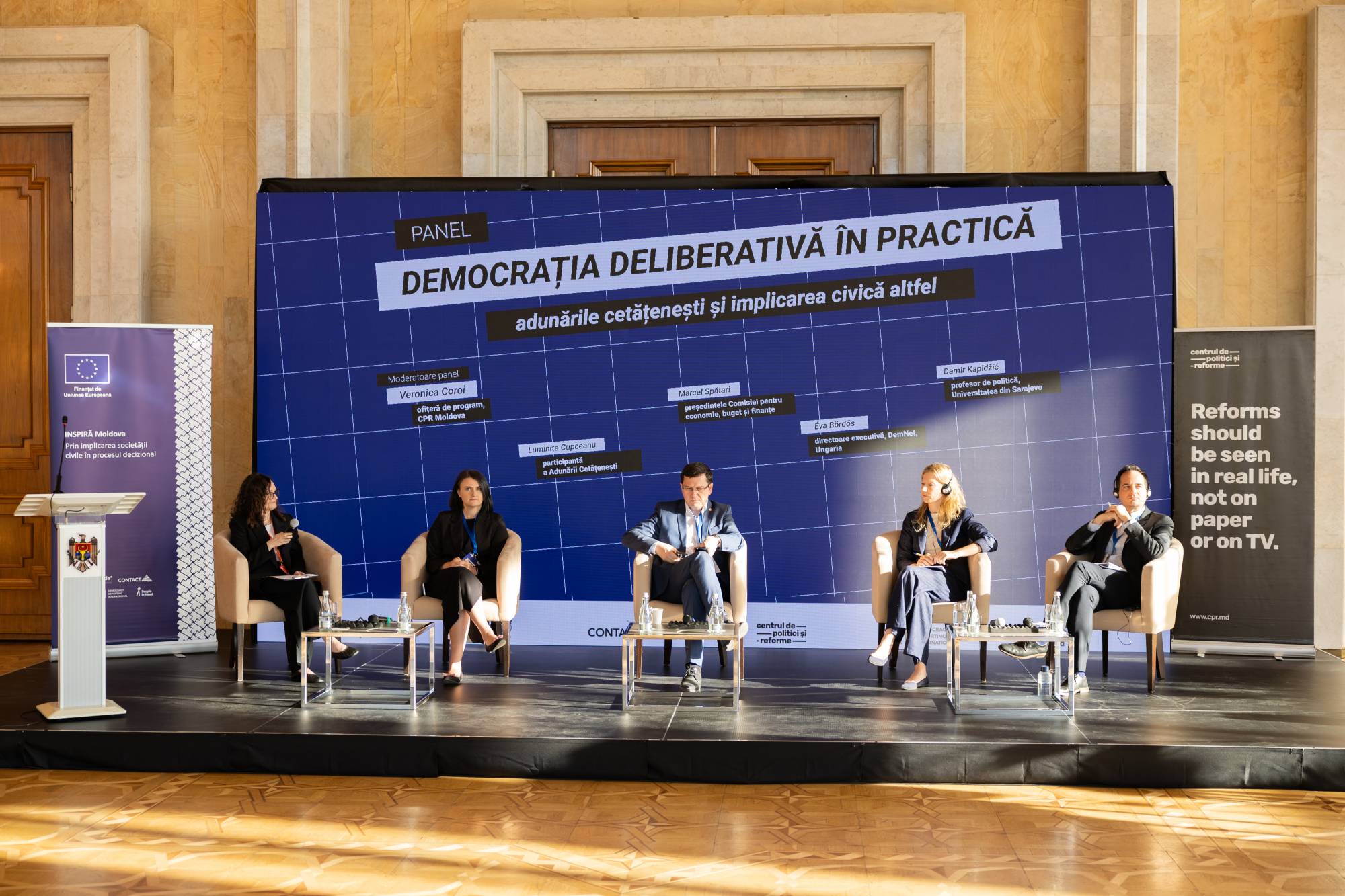
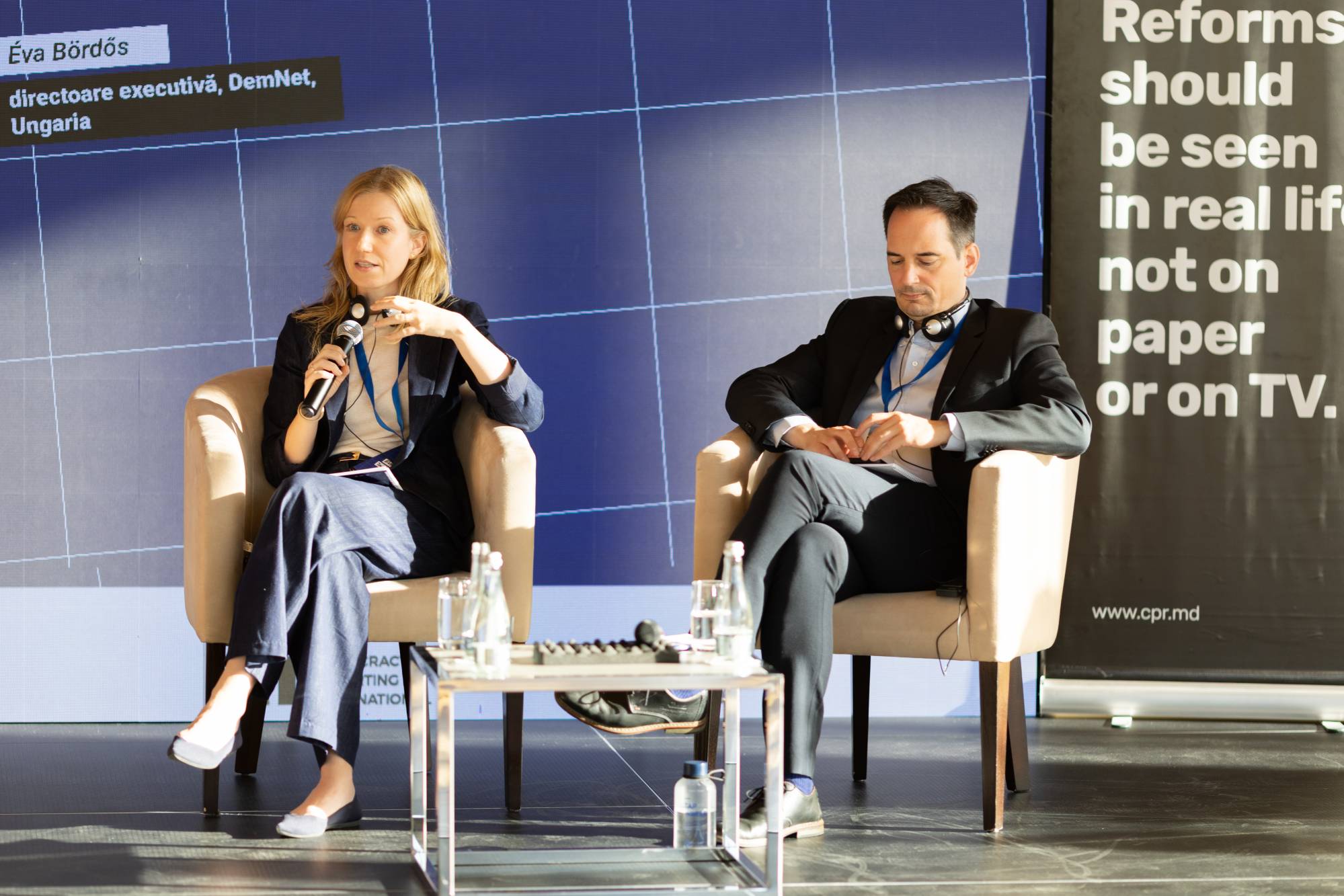
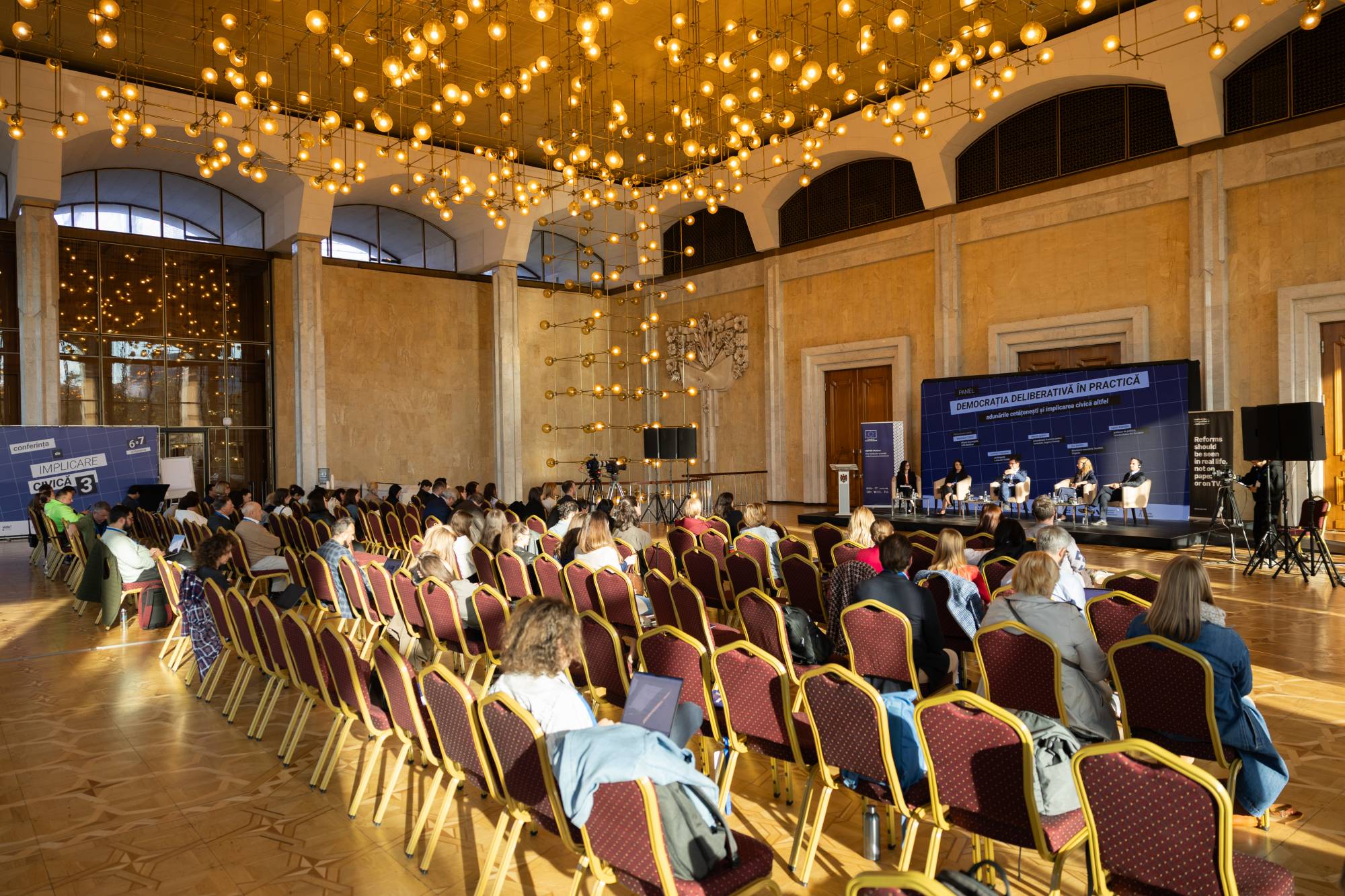
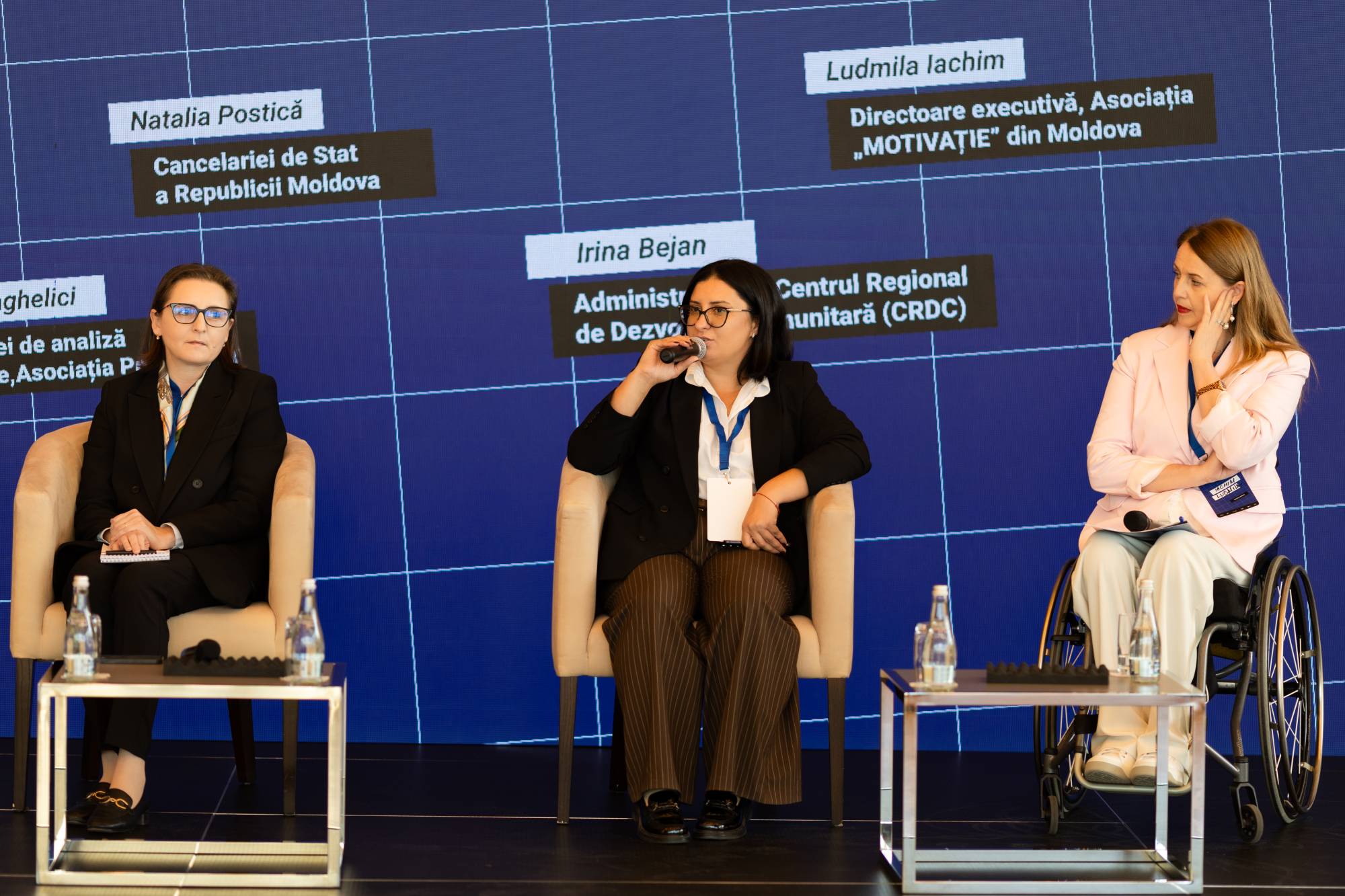
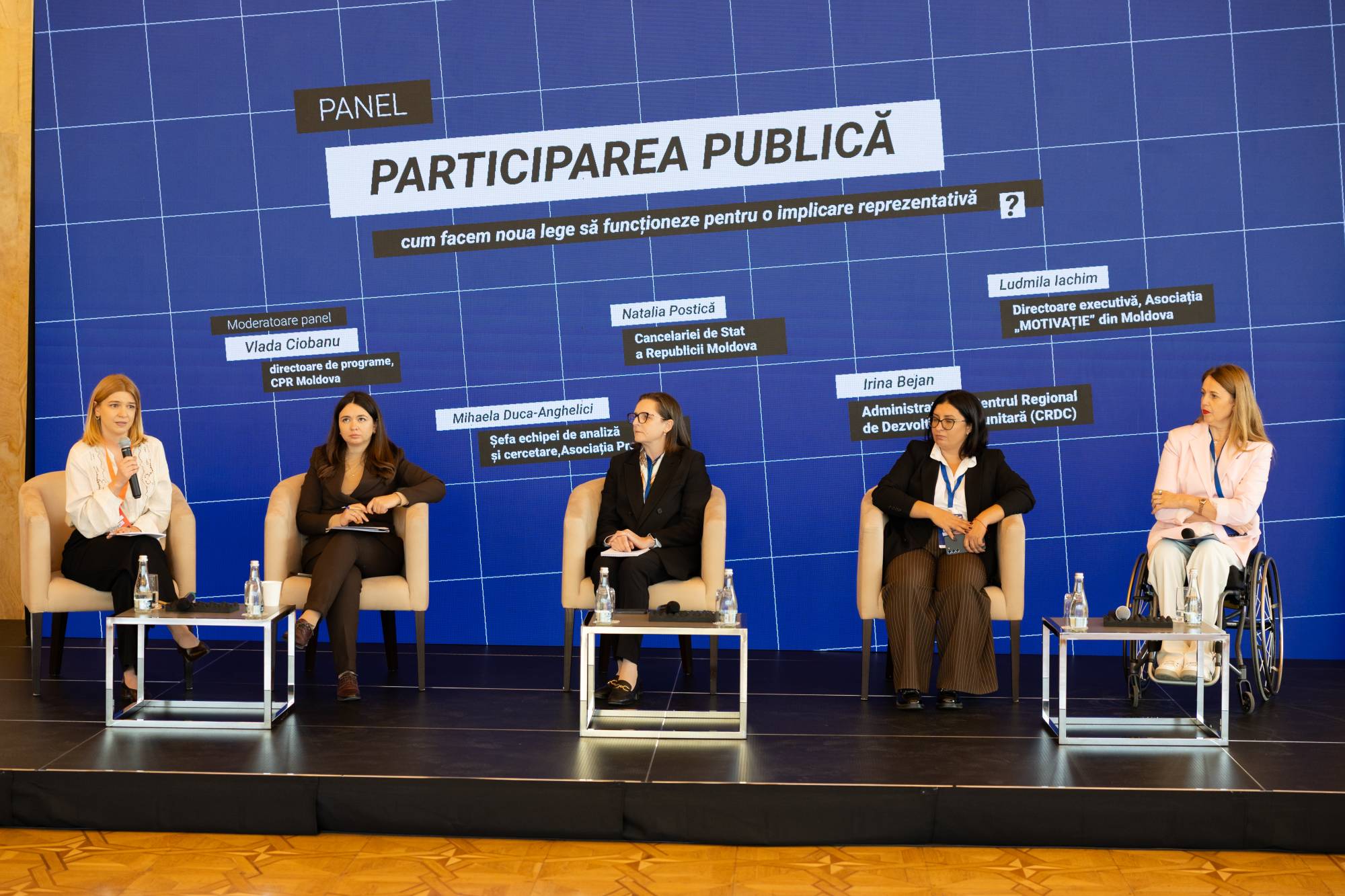
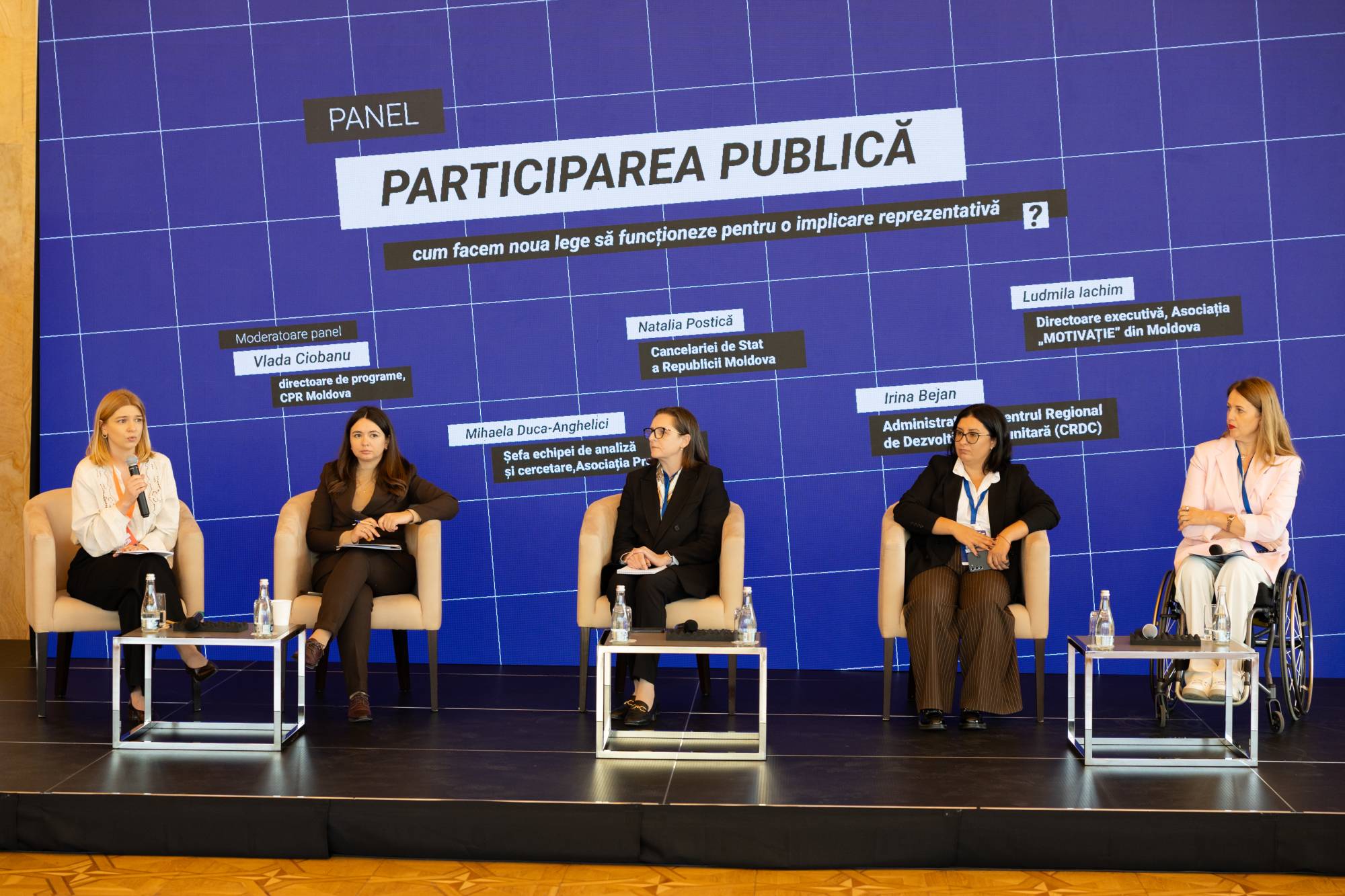
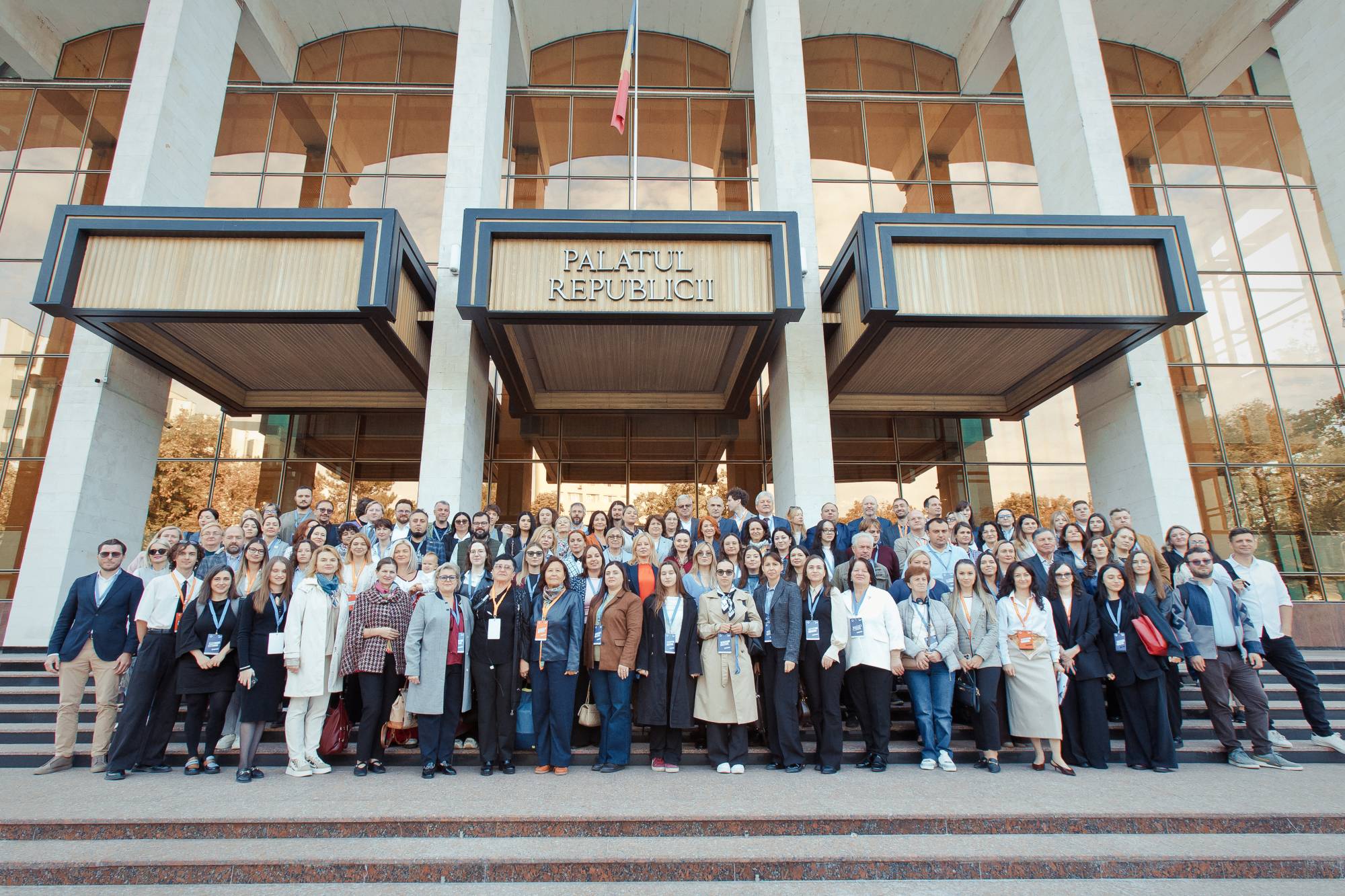
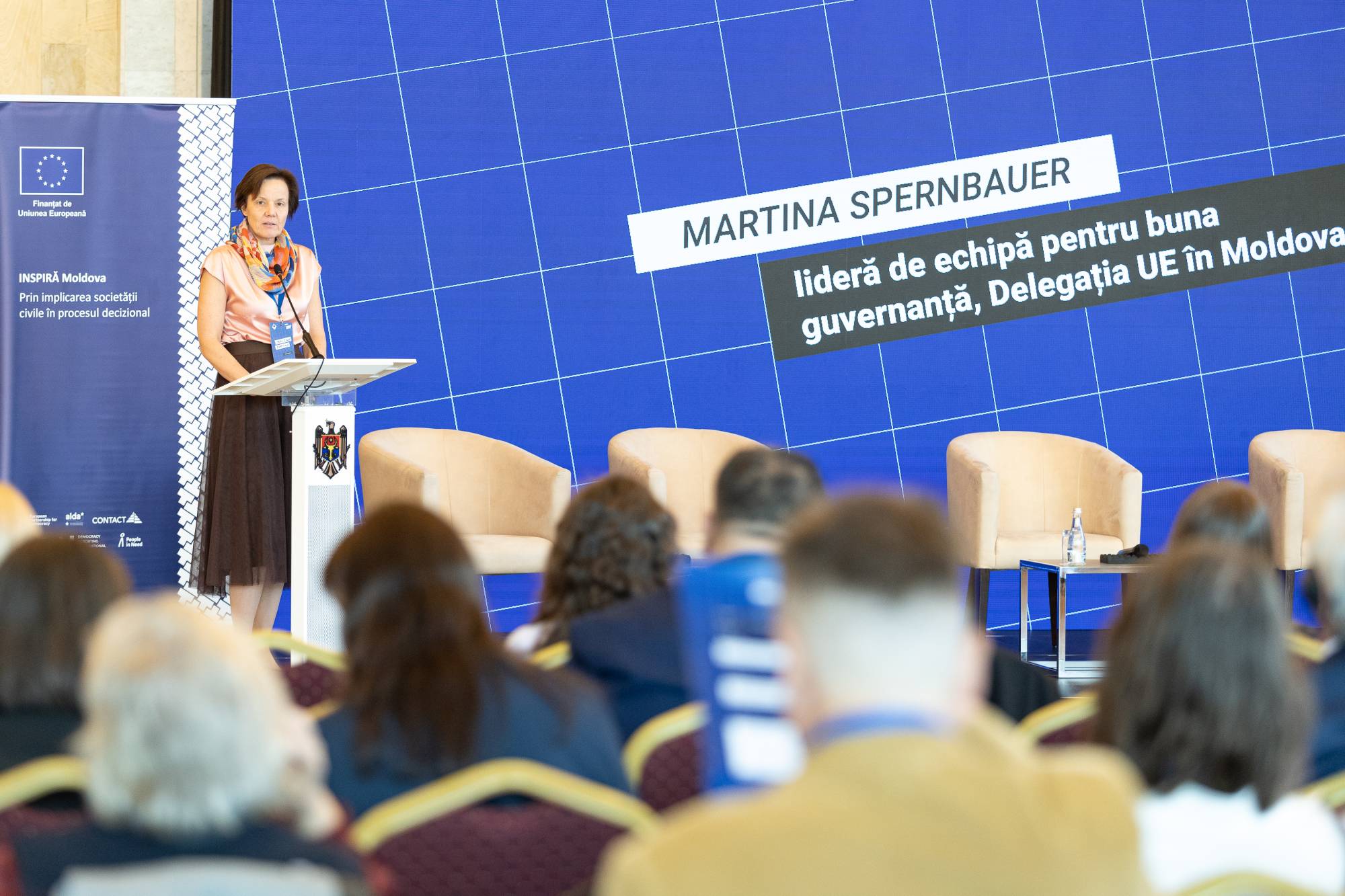
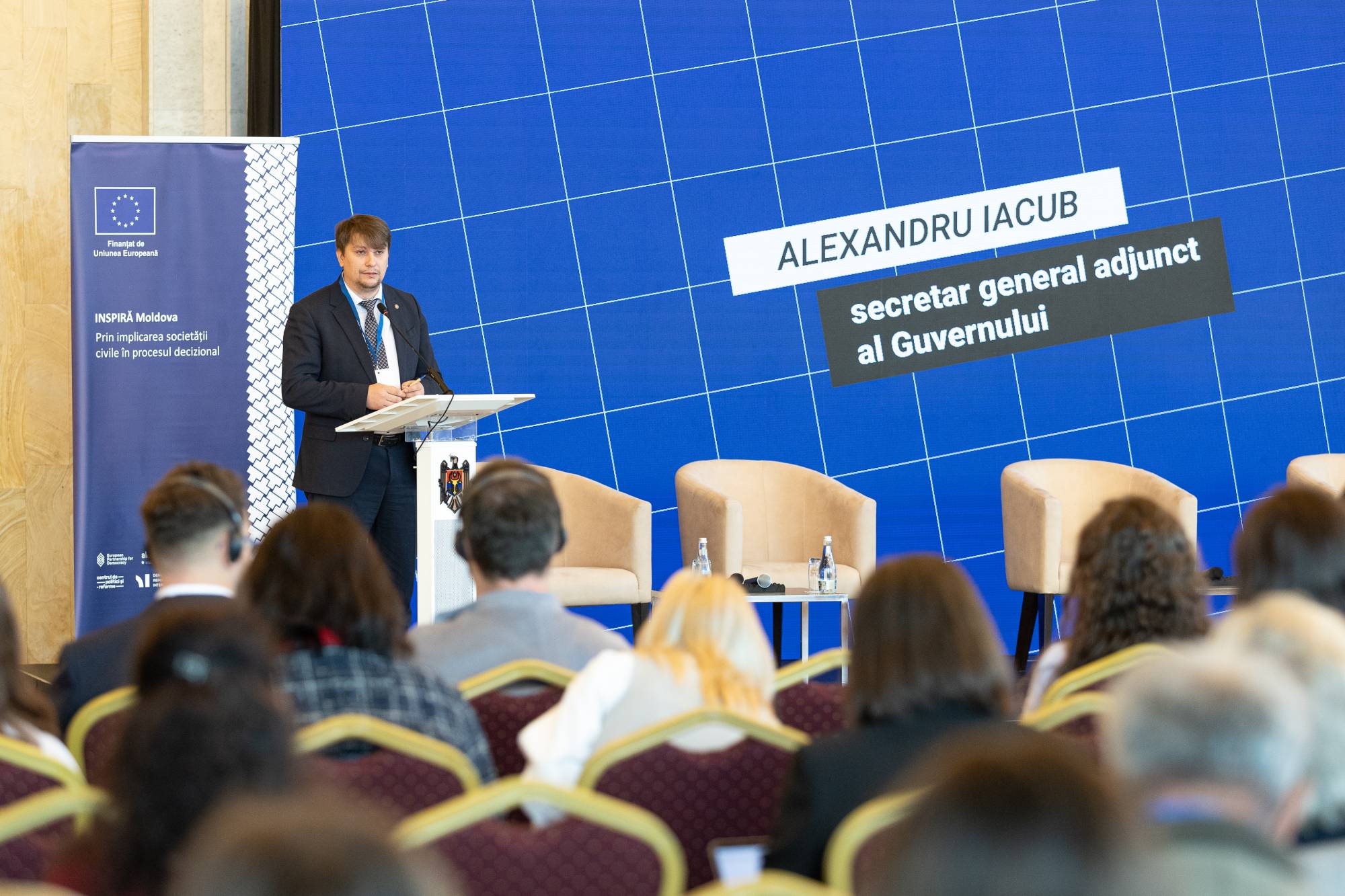
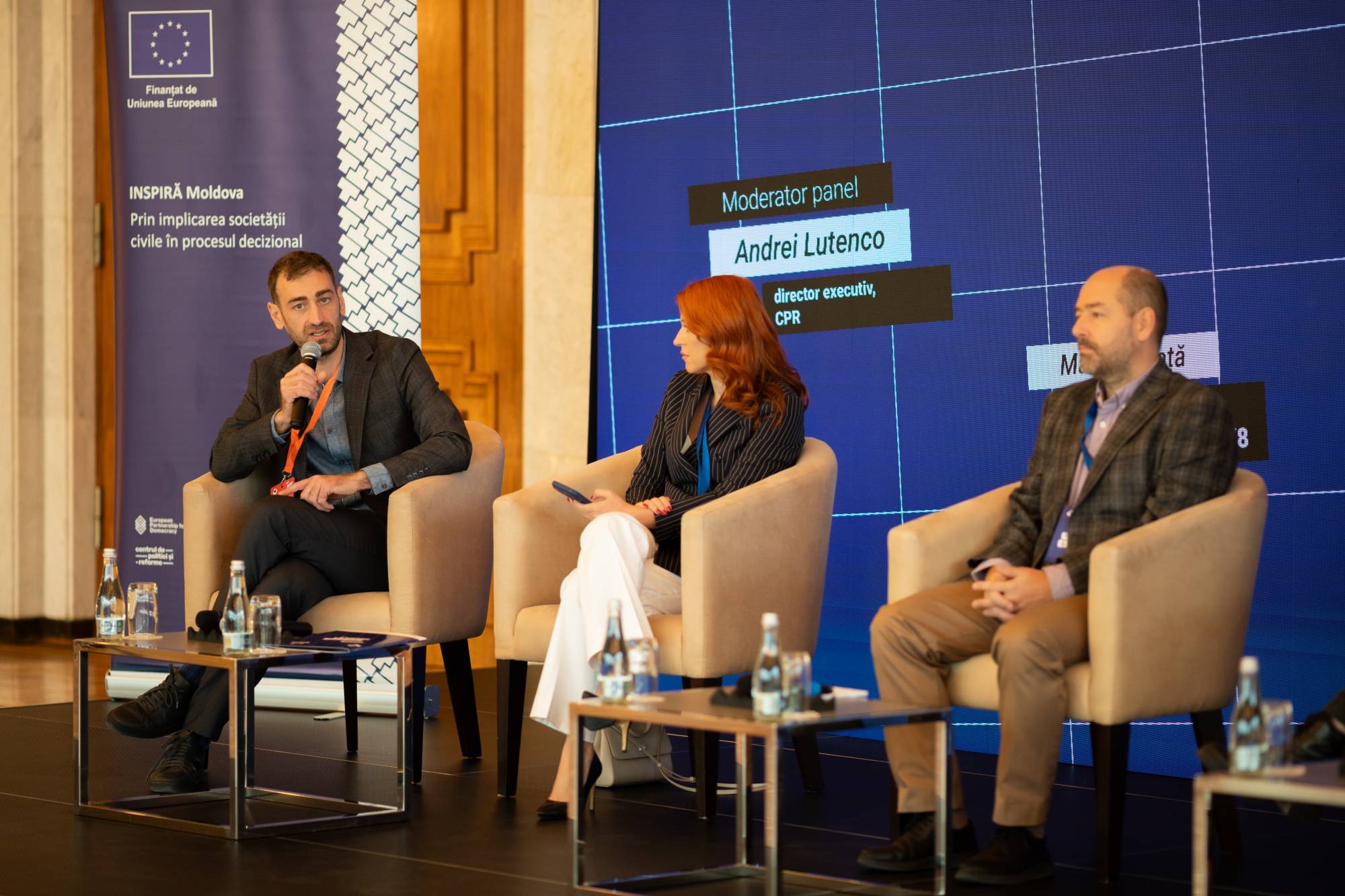
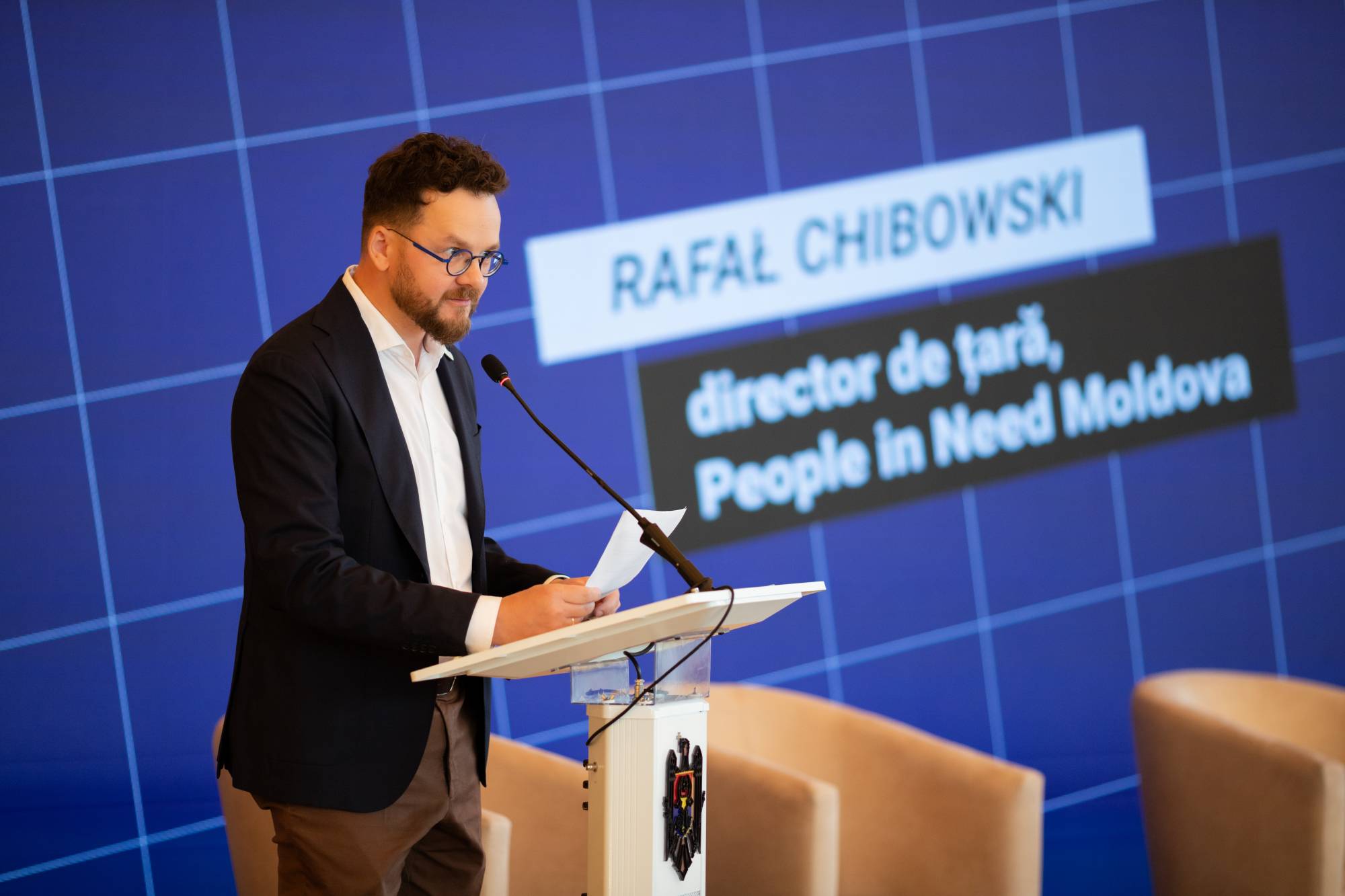
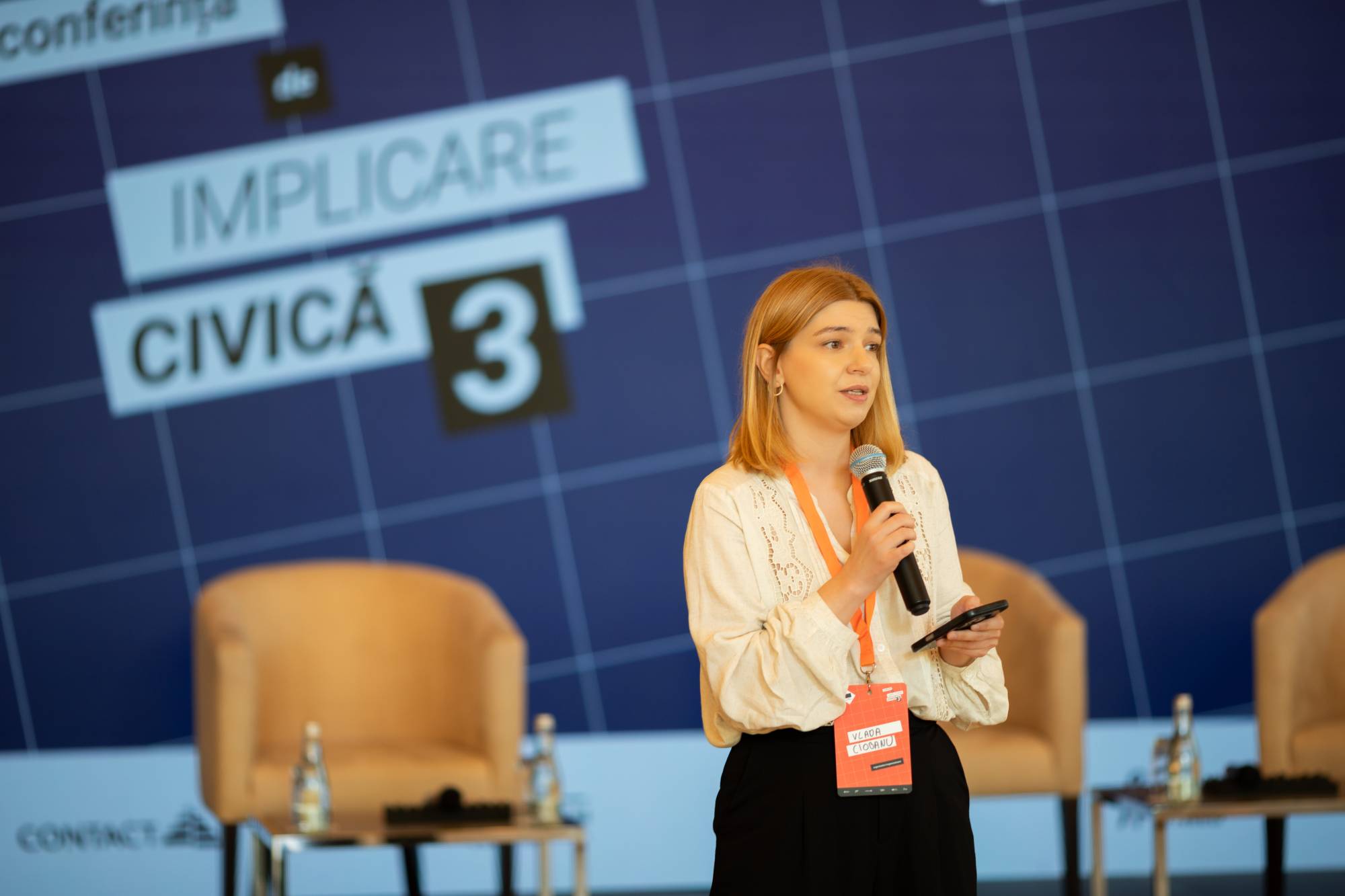
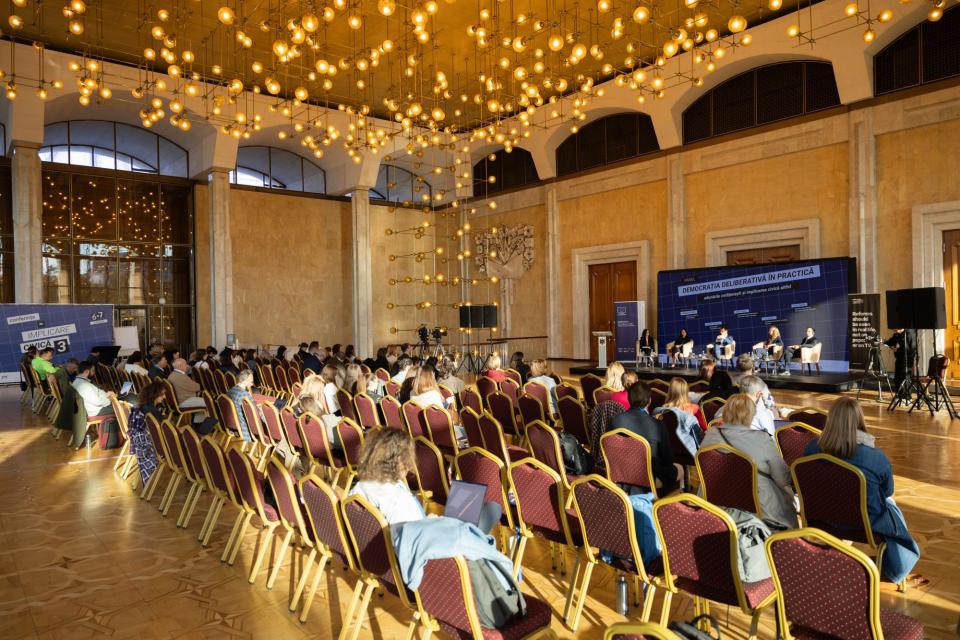
On 6 October 2026, the Regional Community Development Center (CRDC) participated in the third edition of the Civic Engagement Conference 2026, held in Chișinău. The event brought together more than 200 participants from across the country, including representatives of civil society organizations, public authorities, experts, journalists, civic activists, and development partners.
The two-day conference addressed key issues for the democratic development of the Republic of Moldova: citizen participation in decision-making, transparency of public institutions, European integration, digital democracy, civic education, and resilience to disinformation.
Beyond presentations and panel discussions, the conference provided a space for exchanging experiences, engaging in critical discussions, exploring different perspectives, and building new connections among people and organizations contributing to community development.
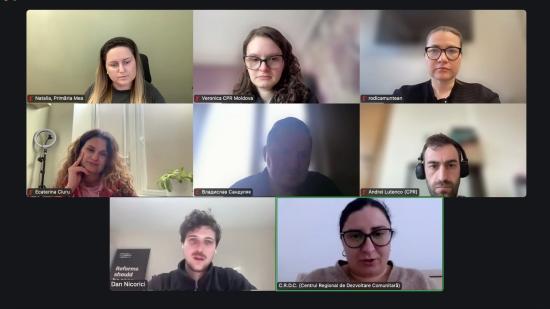
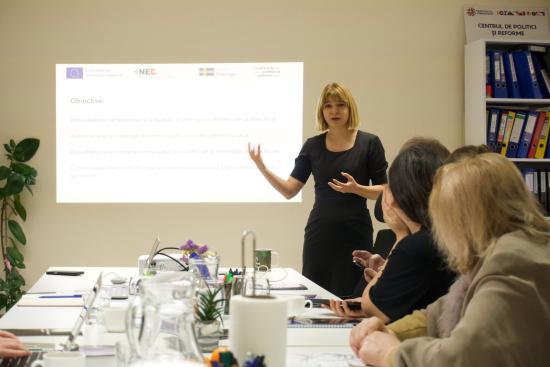
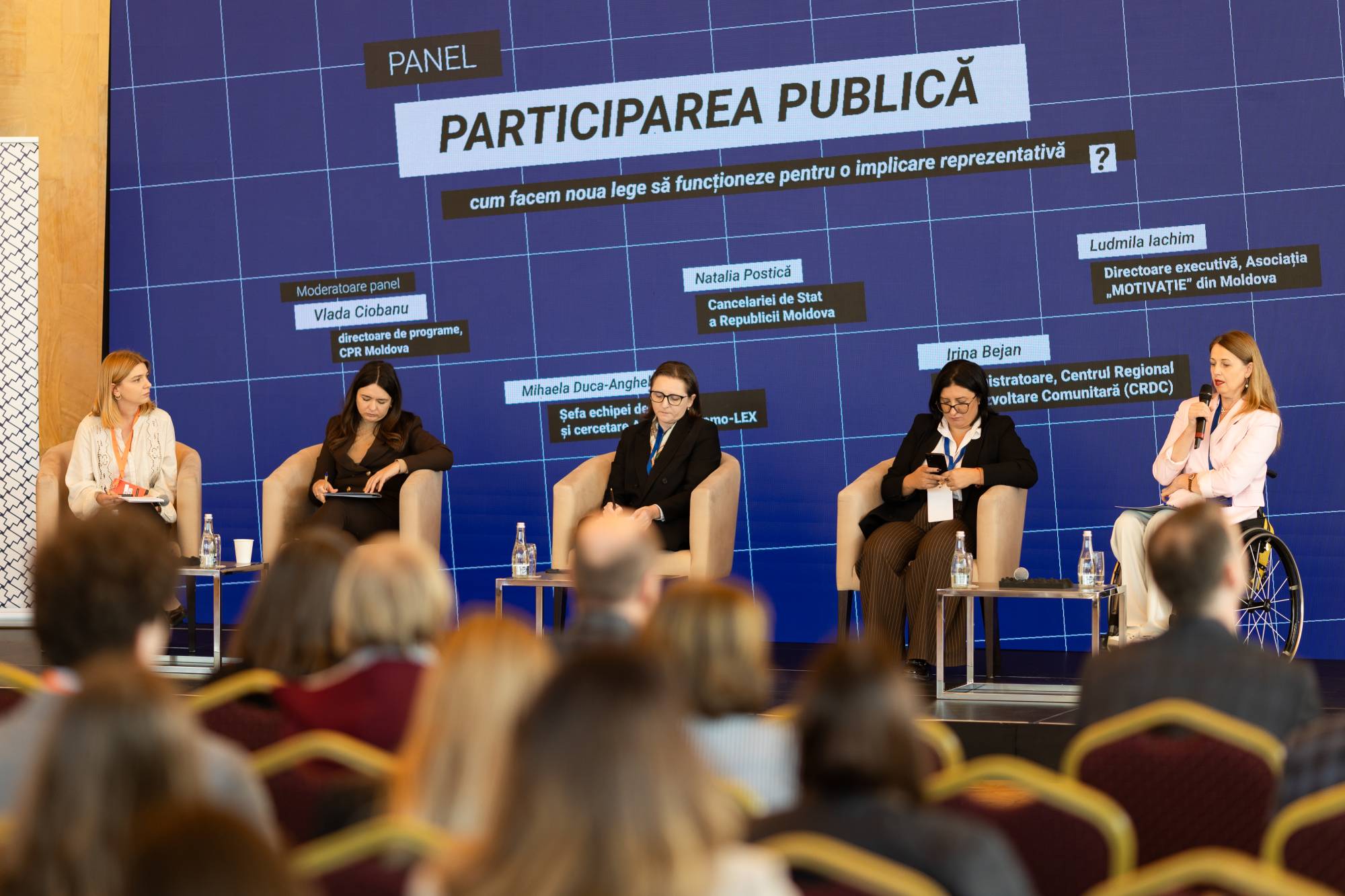
On the first day of the conference, Irina Bejan, Executive Director of CRDC, participated as a speaker in the panel discussion "Public Participation: How Can We Make the New Law Work for Inclusive and Representative Engagement?", moderated by Vlada Ciobanu, Program Director at the Center for Policies and Reforms (CPR Moldova).
The discussions focused on current challenges in public participation, the opportunities offered by the new legislative framework, and the need to transform public consultations into processes that enable citizens to make a meaningful contribution to decision-making.
CRDC's contribution highlighted experiences from Cahul Municipality and communities in southern Moldova, where the organization works directly with citizens, young people, initiative groups, local organizations, and public authorities.
One of the central messages of the intervention was that adopting a new law does not automatically lead to changes in institutional practices. Even when procedures, platforms, and consultation mechanisms are in place, they do not guarantee that people will be heard or that their proposals will influence final decisions.
There is a risk that modernizing the legislative framework will result only in changes to forms and procedures, without transforming the relationship between public authorities and citizens.
Based on CRDC's experience, the challenges of public participation at the local level go beyond the mere existence or absence of consultation tools.
What matters is how accessible public information is, when and how consultations are announced, who is able to participate, which groups of citizens remain excluded from discussions, and, most importantly, what happens to the recommendations submitted.
A public consultation does not become meaningful simply because it was organized on time and complied with legal requirements. For people to remain engaged, they need to understand how their proposals were reviewed, why certain recommendations were accepted or rejected, and how they can follow up on the decisions made.
The panel also addressed the relationship between public dialogue and citizens' trust in institutions, including the potential consequences that a lack of genuine dialogue may have on voting behavior.
When people are ignored between elections, accumulated dissatisfaction may become visible at the ballot box. Although electoral choices are influenced by numerous factors, the relationship between public authorities and communities cannot be excluded from this discussion.
In this context, CRDC emphasized the importance of listening to communities and understanding local realities, including those of regions that are often discussed at the national level primarily through the lens of election results rather than the lived experiences and needs of the people residing there.
One of the important conclusions drawn from participating in the conference is that local experiences can bring valuable perspectives to national debates on reforms.
Issues that are part of the daily work of community-based organizations, such as difficulties in mobilizing citizens, limited access to information, or a lack of response from public authorities, may receive less attention in public policy discussions.
For the Regional Community Development Center, public participation is an ongoing area of work, including monitoring transparency in local decision-making, promoting dialogue between citizens and public authorities, developing civic competencies, and supporting community initiatives.
The organization promotes the participation of young people, women, refugees, migrants, and other groups facing barriers to engagement in public life.
These experiences confirm that meaningful participation must be built over time through access to information, civic education, dialogue, and mechanisms that allow people to see the results of their involvement.
Throughout the conference, other topics relevant to the work of civil society were also addressed.
The discussions highlighted the importance of European integration as a process in which citizens should be able to understand and monitor reforms, the need to develop civic education from an early age, access to public spaces for community activities, and the potential of deliberative mechanisms, including citizens' assemblies.
For the CRDC team, participating in the conference was also an opportunity to reconnect with partners, meet new people and organizations, receive recommendations, and learn from the experiences of other communities across the Republic of Moldova.
We appreciate the opportunity to contribute to this national discussion and draw attention to the challenges faced by communities in the south of the country.
The reactions and exchanges of ideas generated by CRDC's intervention reaffirmed the importance of ensuring that local perspectives are represented in national dialogue. Issues frequently discussed at the community level must also be reflected in public policymaking and reform processes.
We thank the Center for Policies and Reforms (CPR Moldova) for the invitation, for moderating the discussion, and for organizing an event that combined professional exchange with open and constructive dialogue.
It is not enough to give people the right to participate. We must also give them reasons to believe that their participation matters.
The Civic Engagement Conference 2026 was organized within the framework of the INSPIRĂ Moldova project, funded by the European Union and implemented by the European Partnership for Democracy, ALDA Moldova, CONTACT Center, Center for Policies and Reforms, Democracy Reporting International, and People in Need Moldova.
The content of this article reflects the perspective of the Regional Community Development Center and does not necessarily represent the views of the European Union or the project partners.
Photo credit: The photographs used in this article were sourced from CPR Moldova – Center for Policies and Reforms.