Русский
 Română



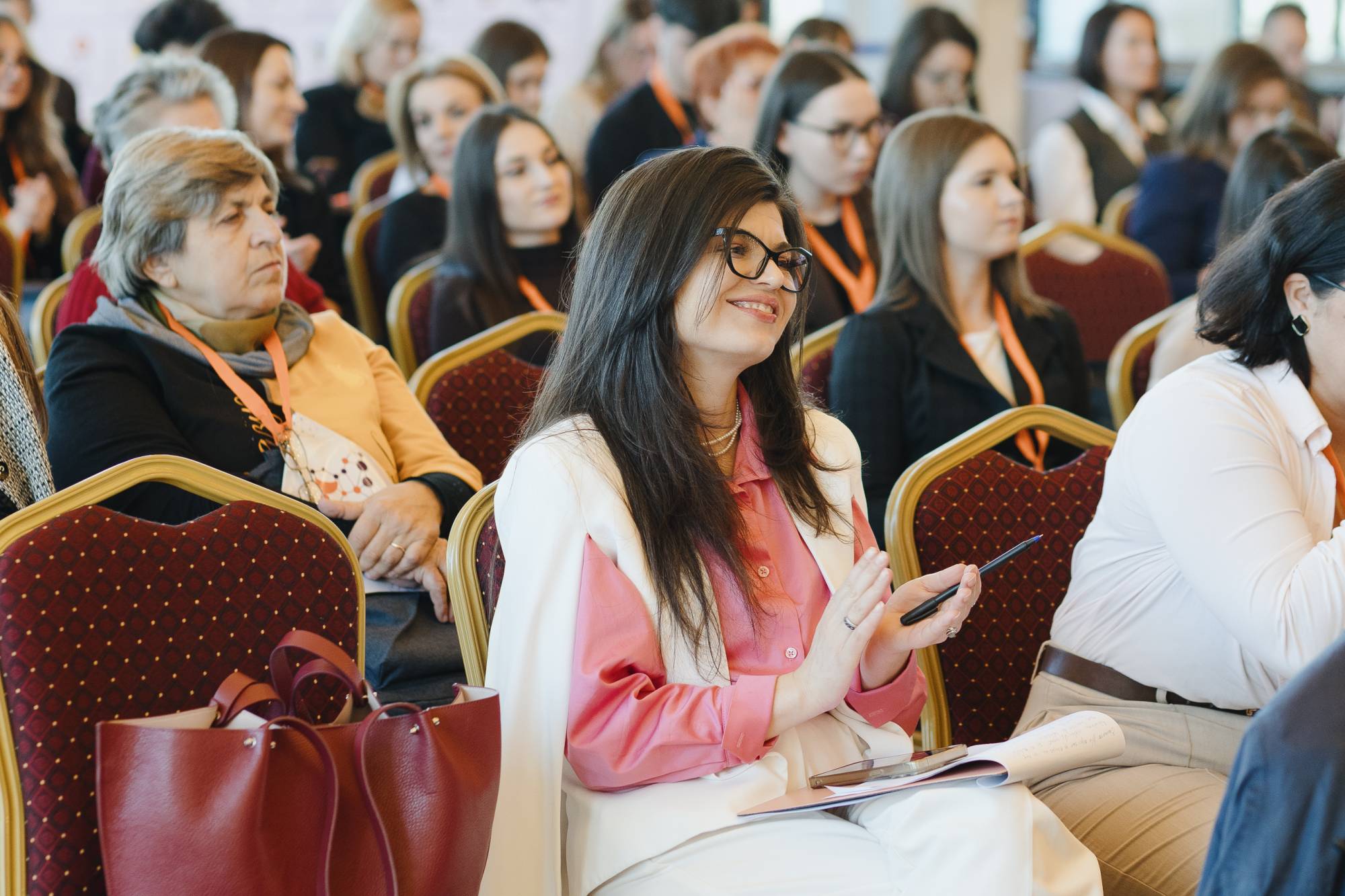
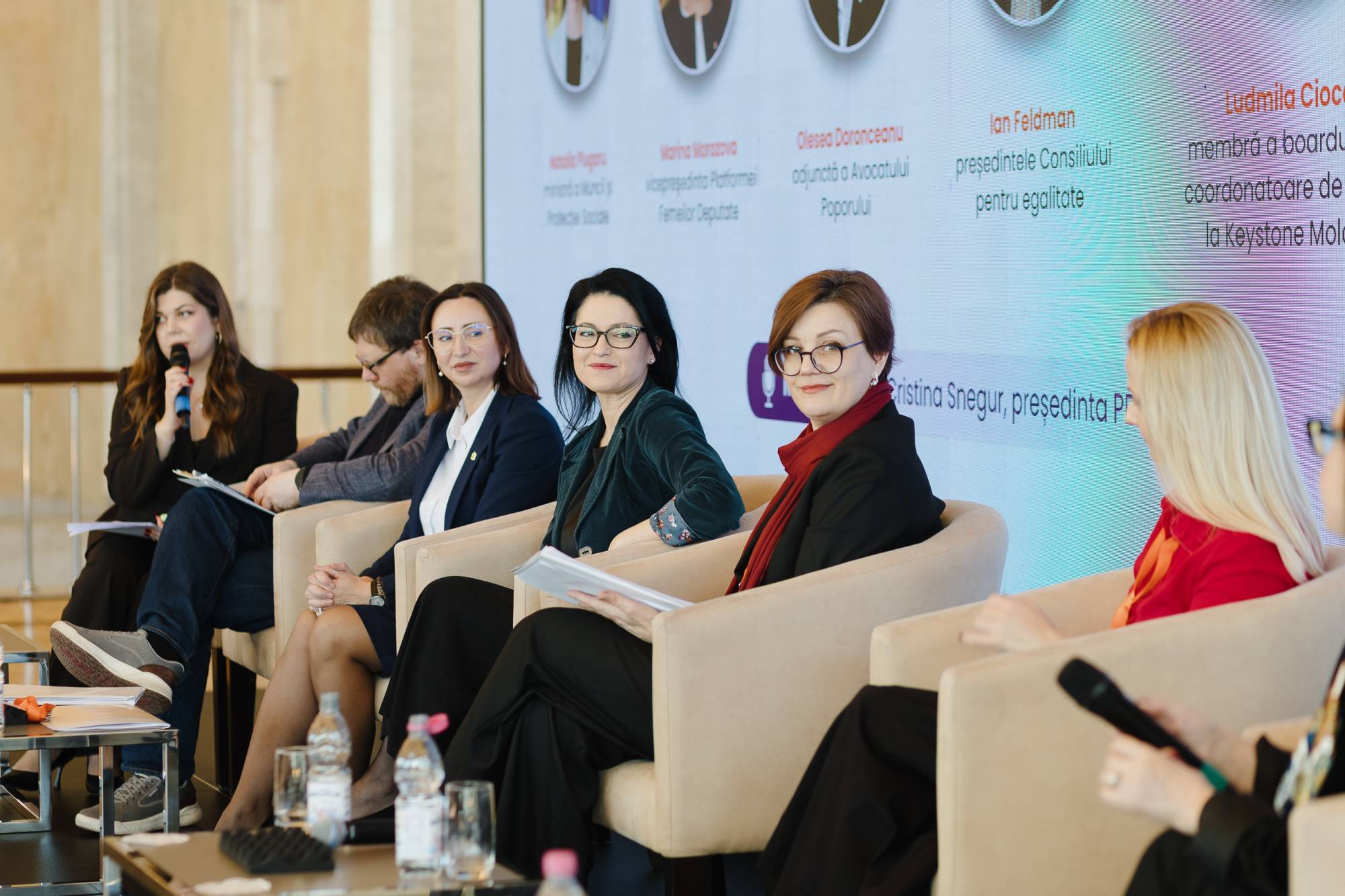
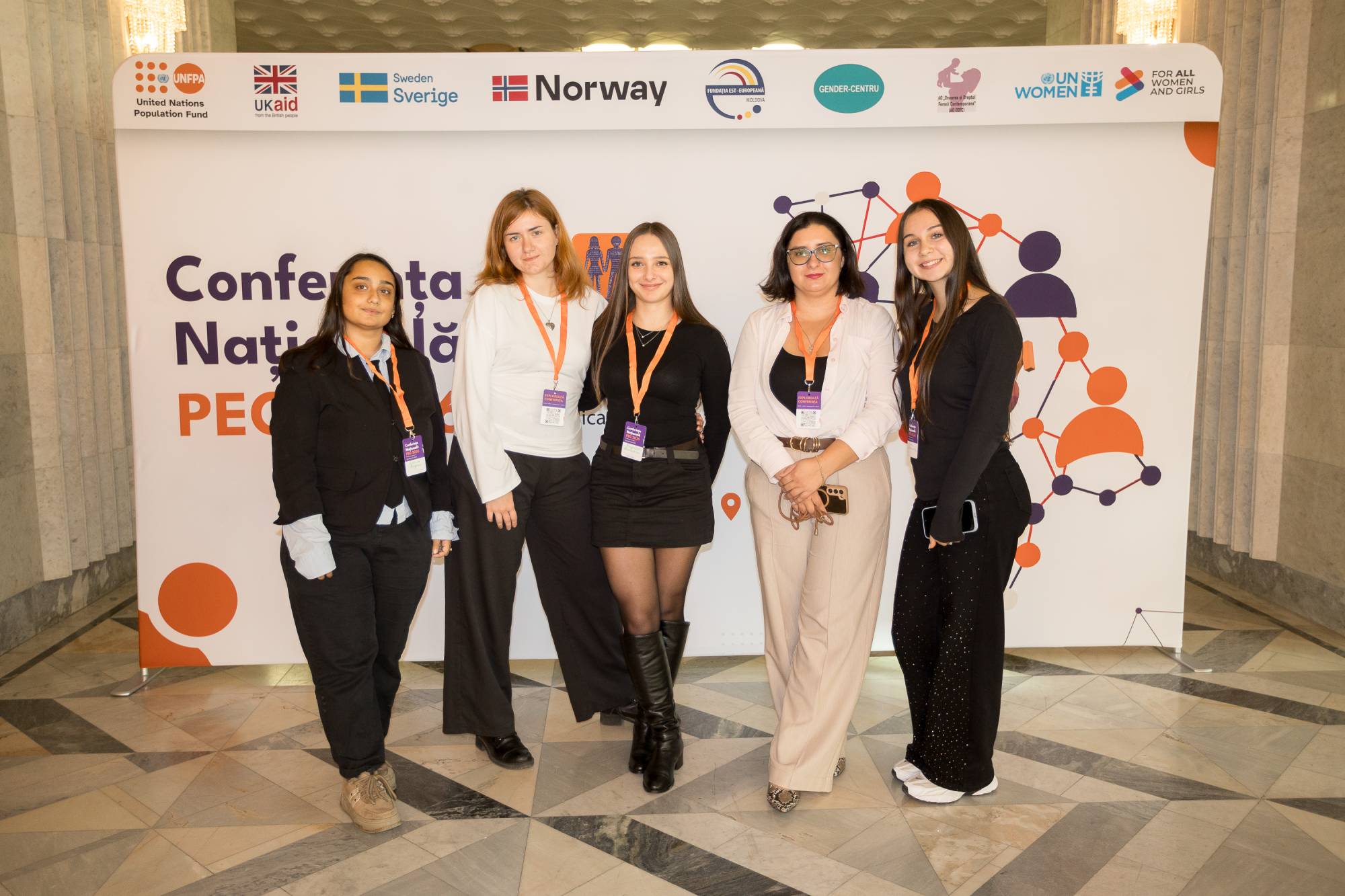
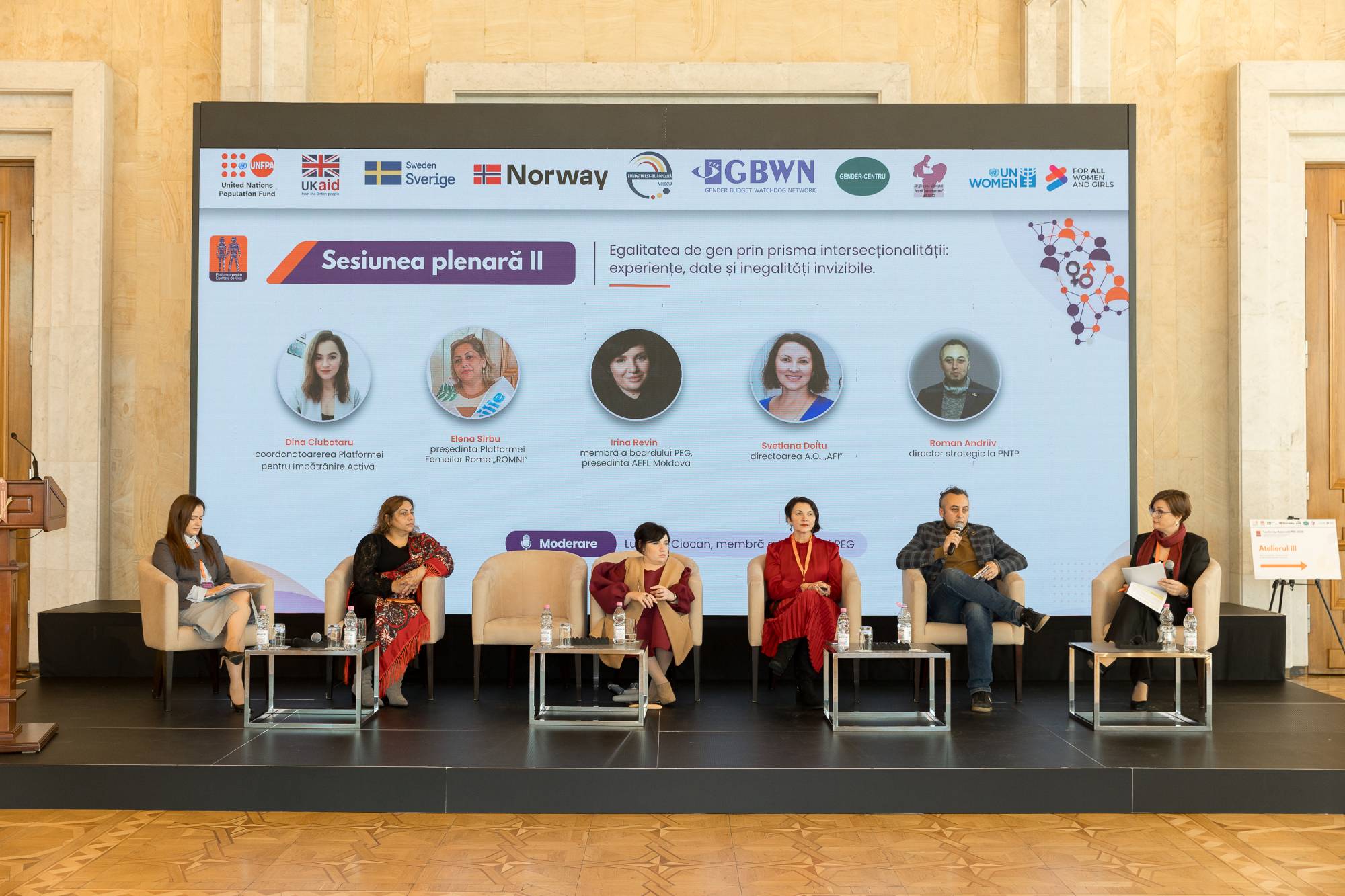
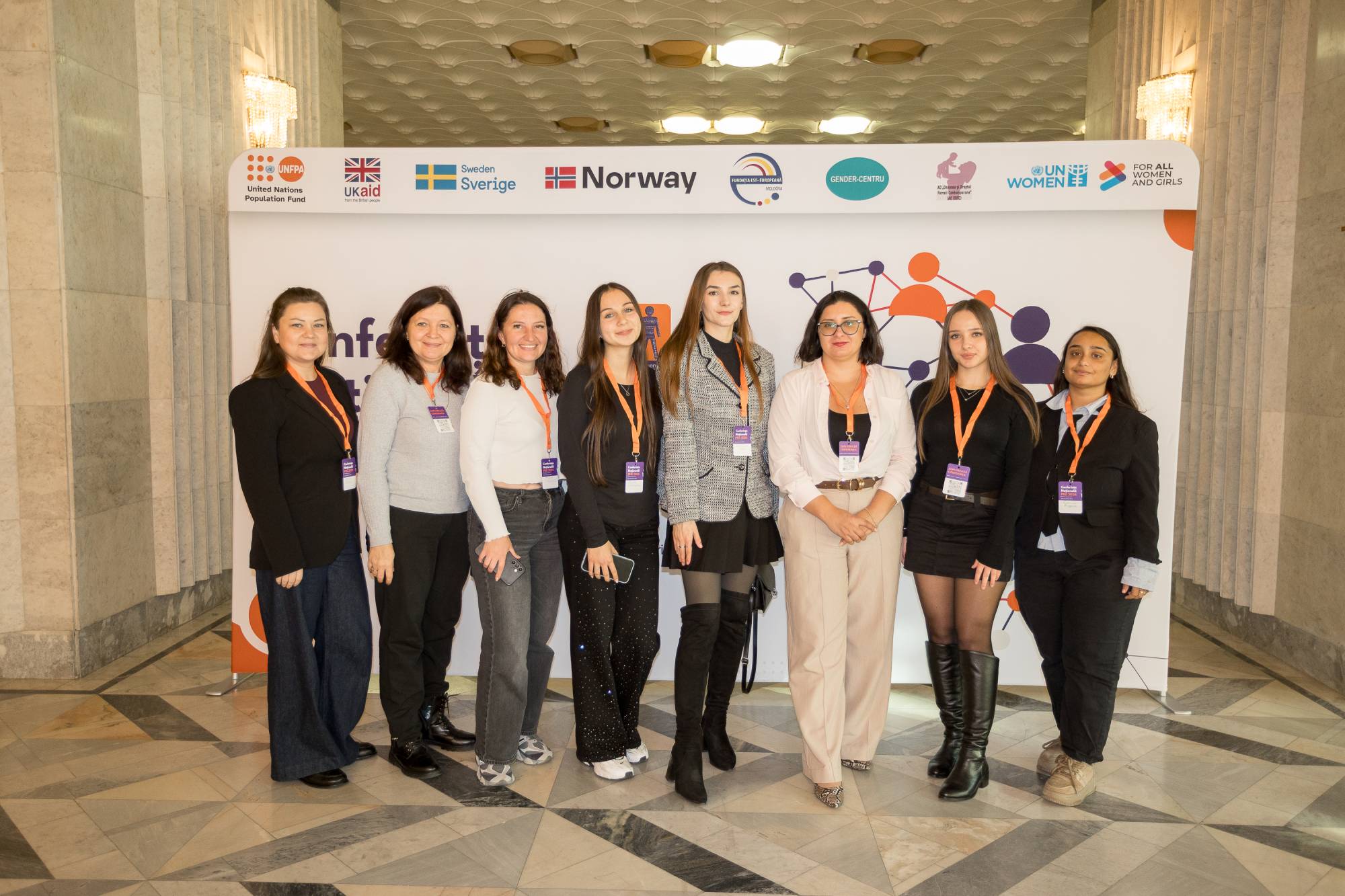
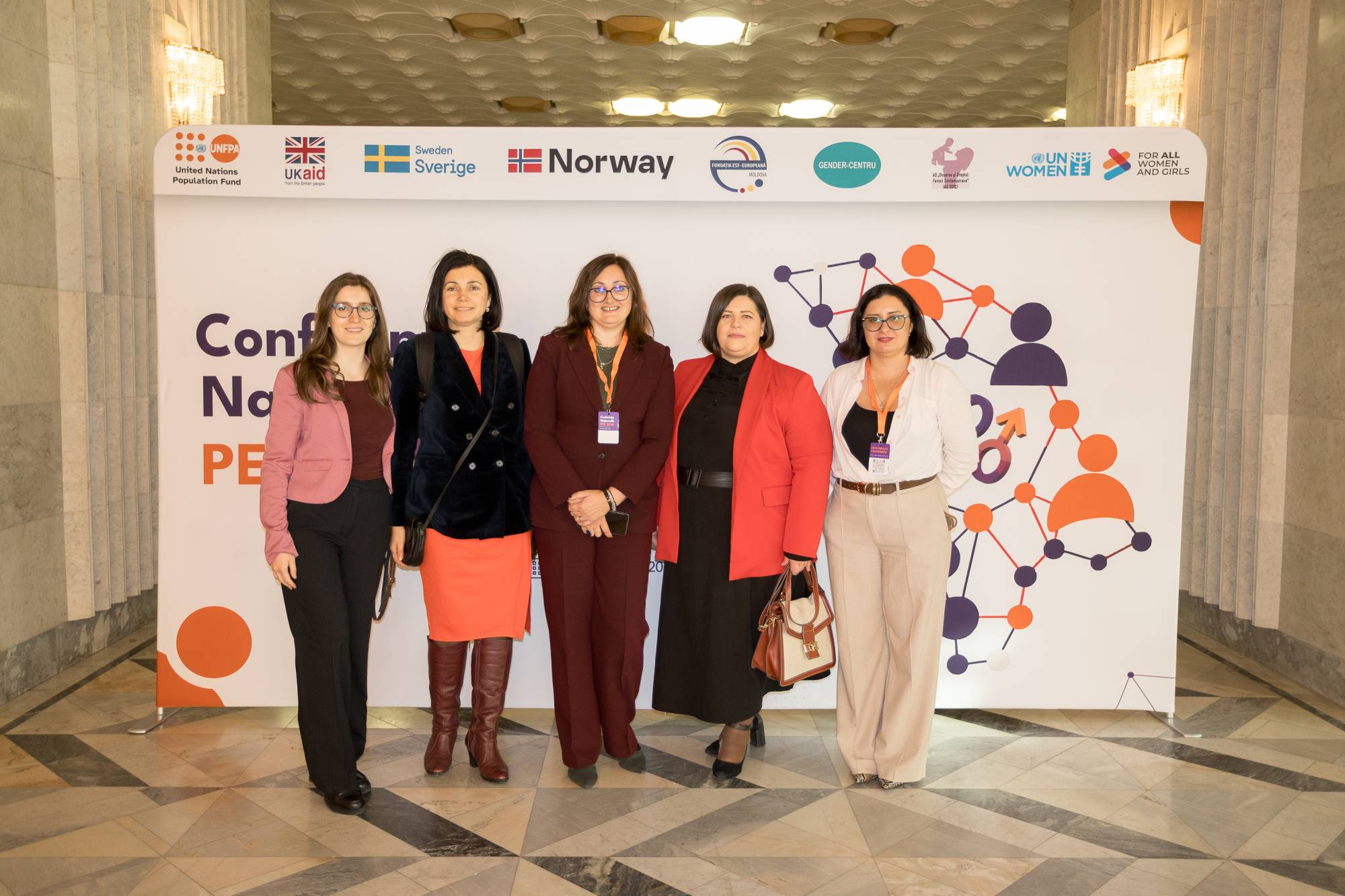
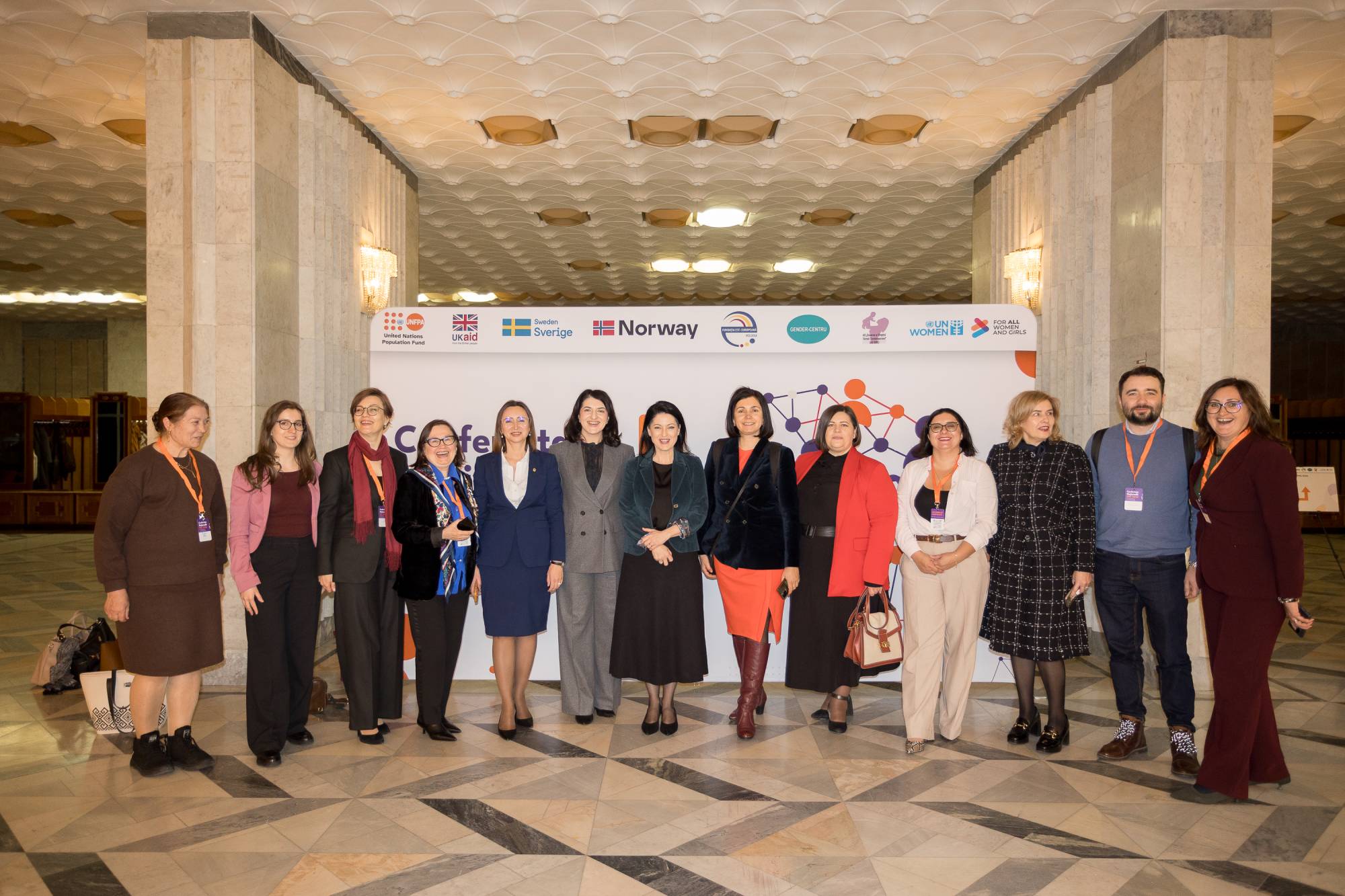
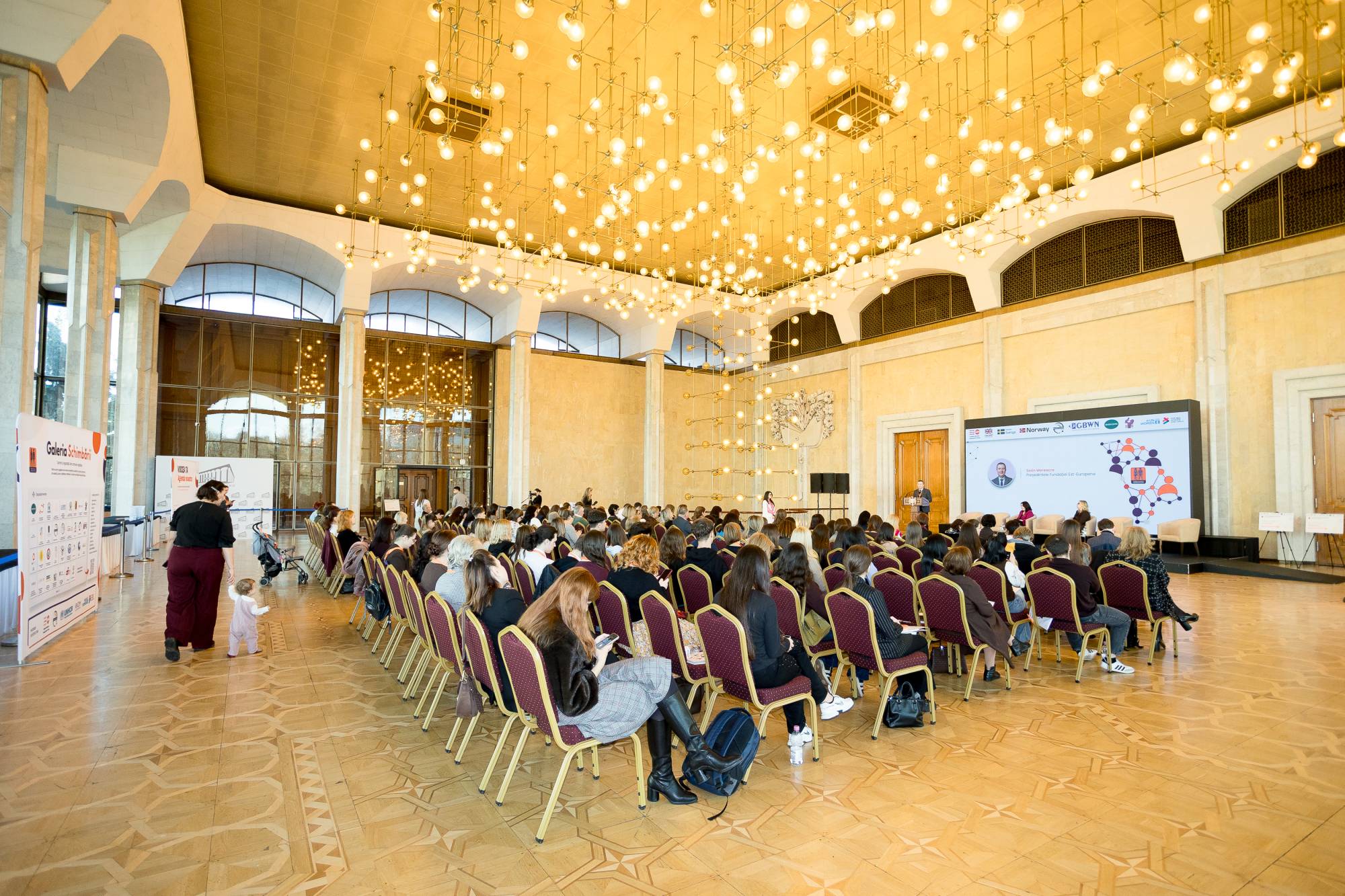
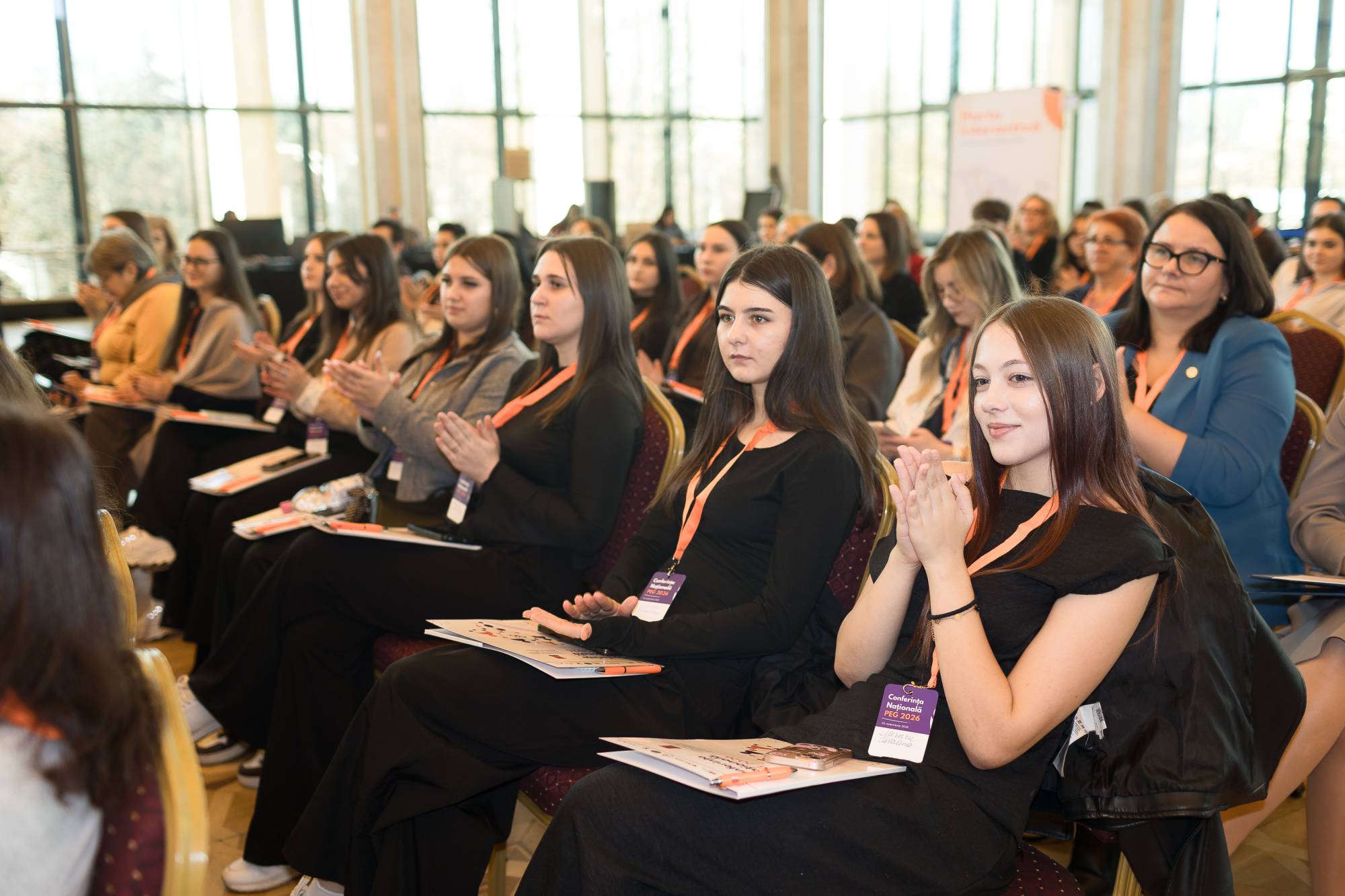
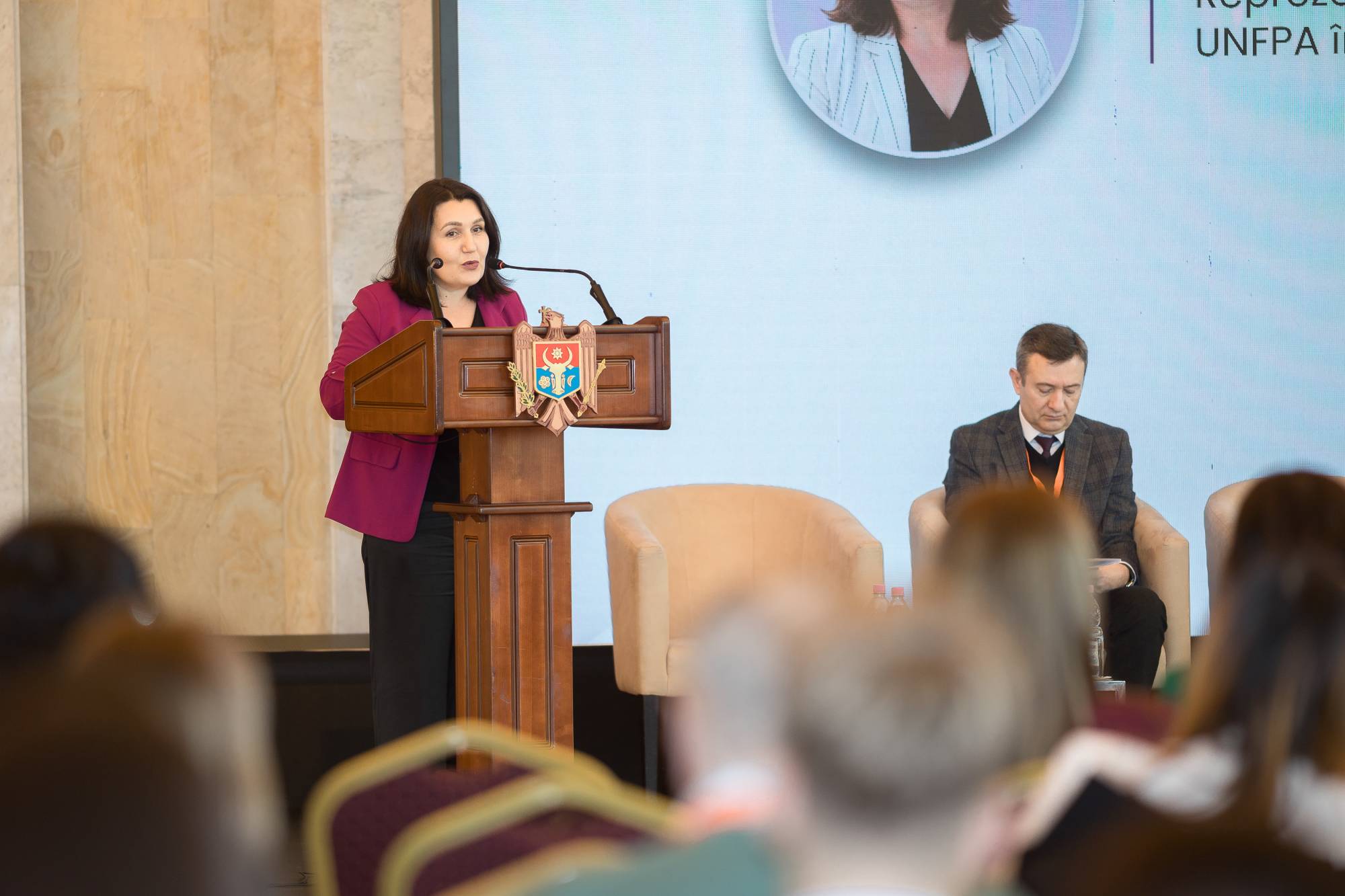
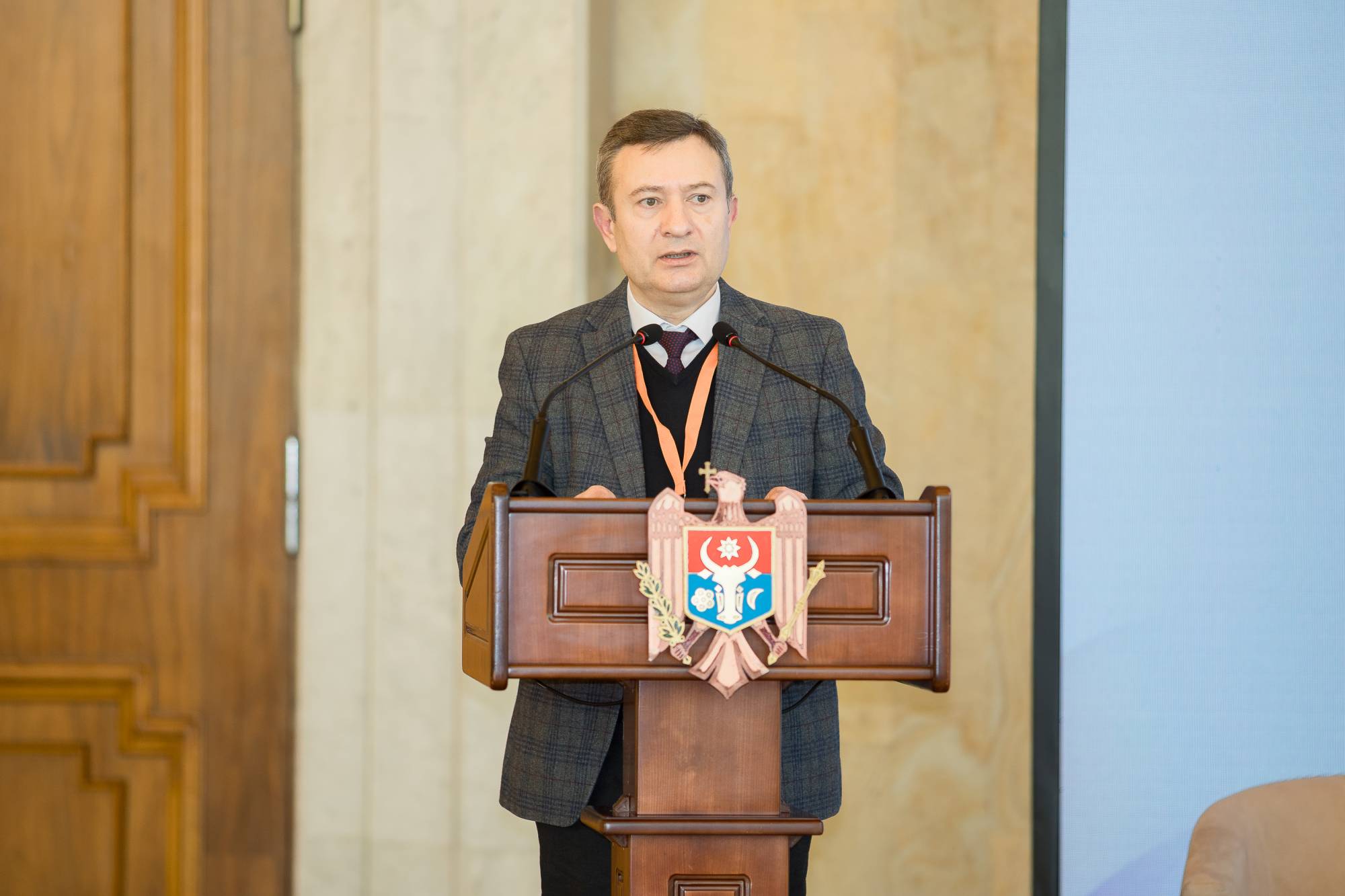
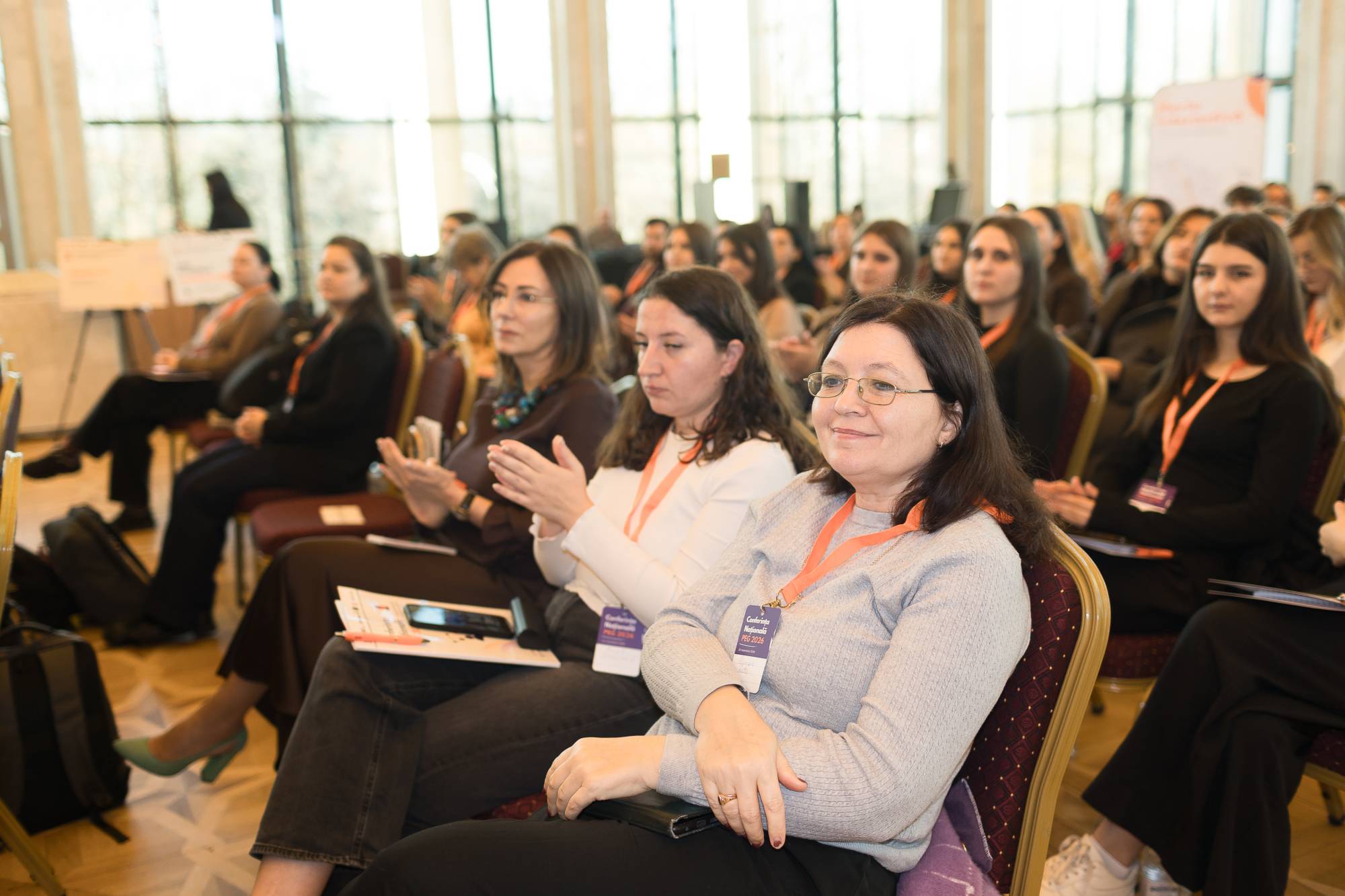
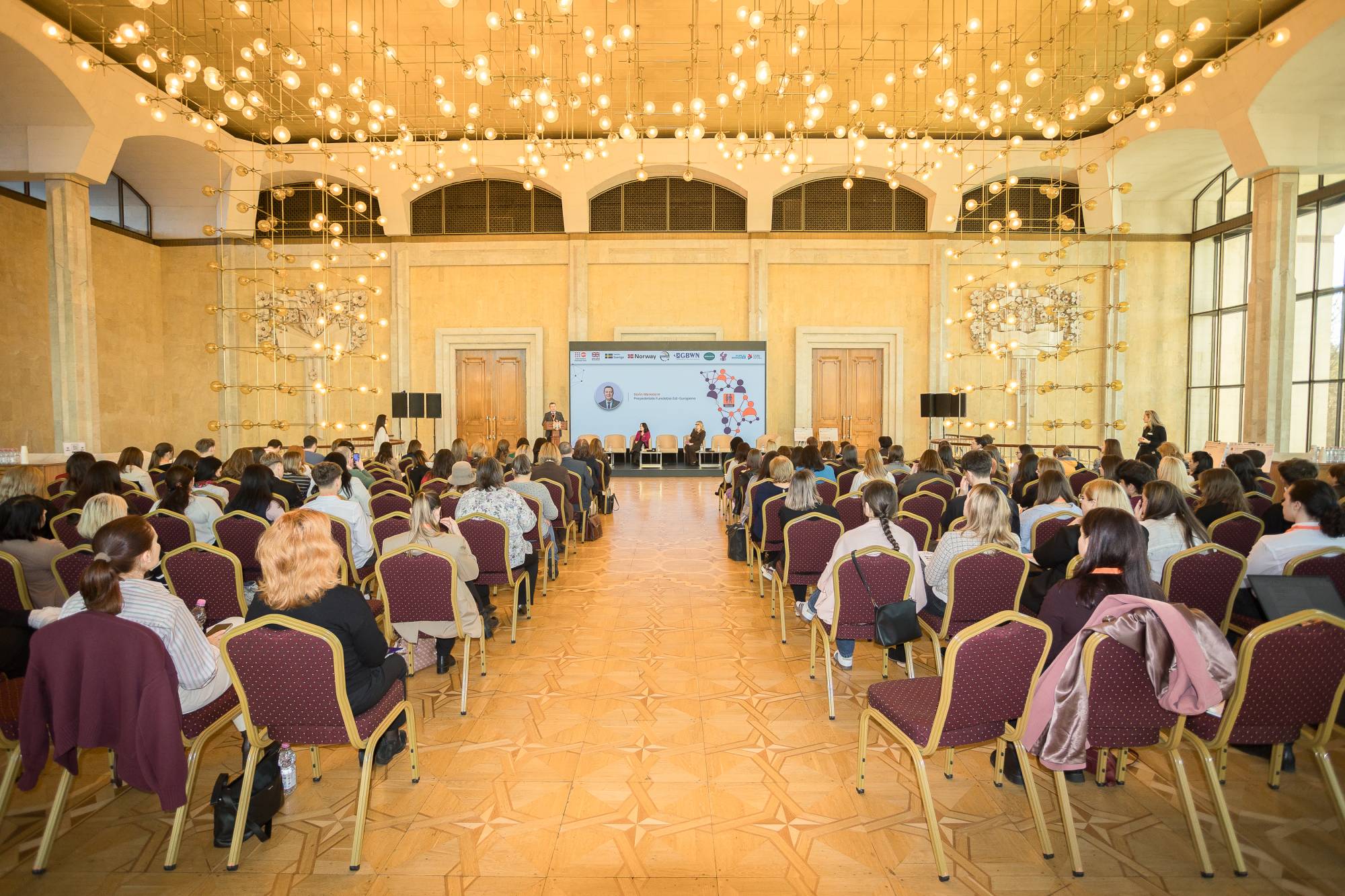
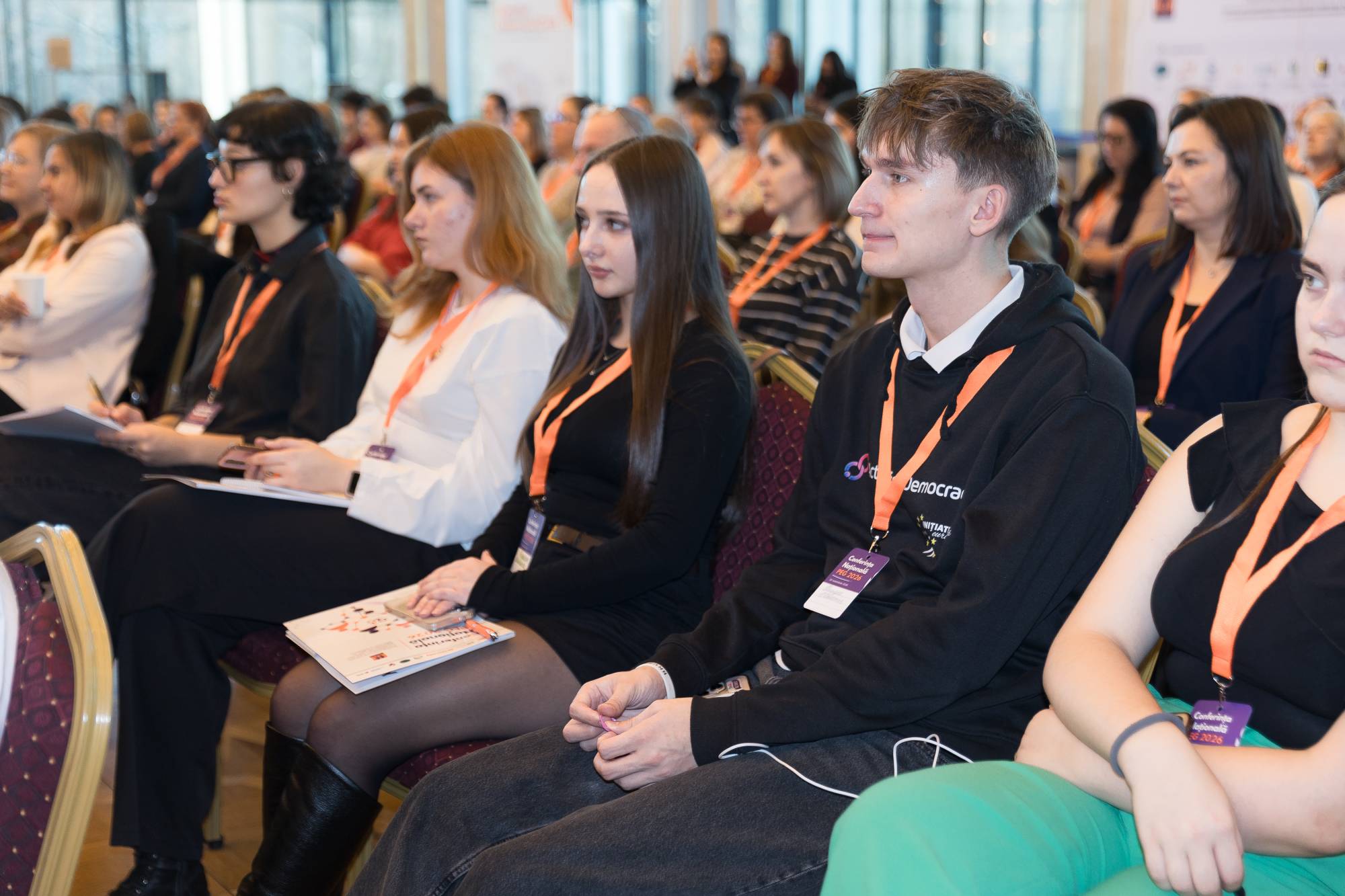
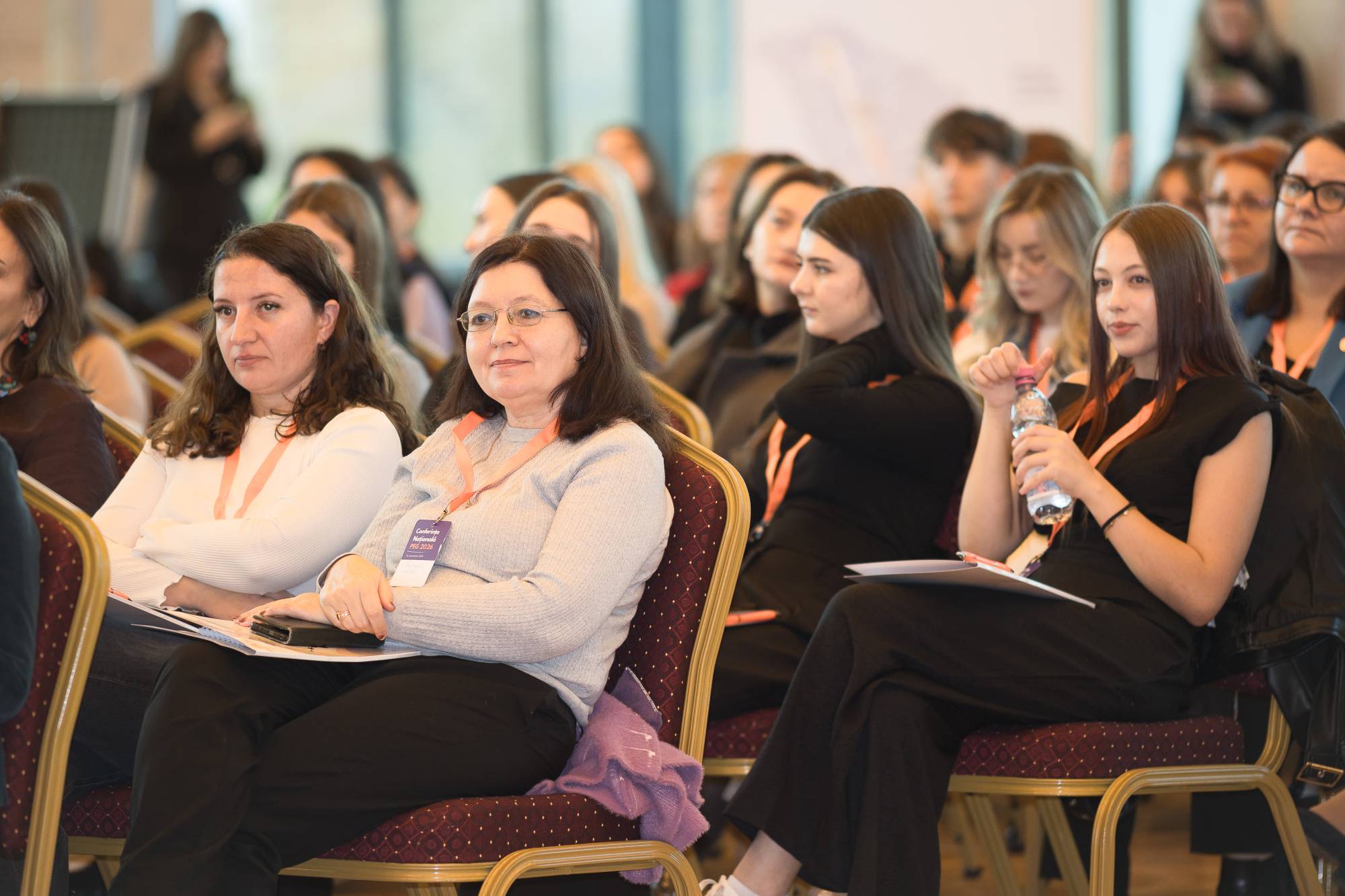
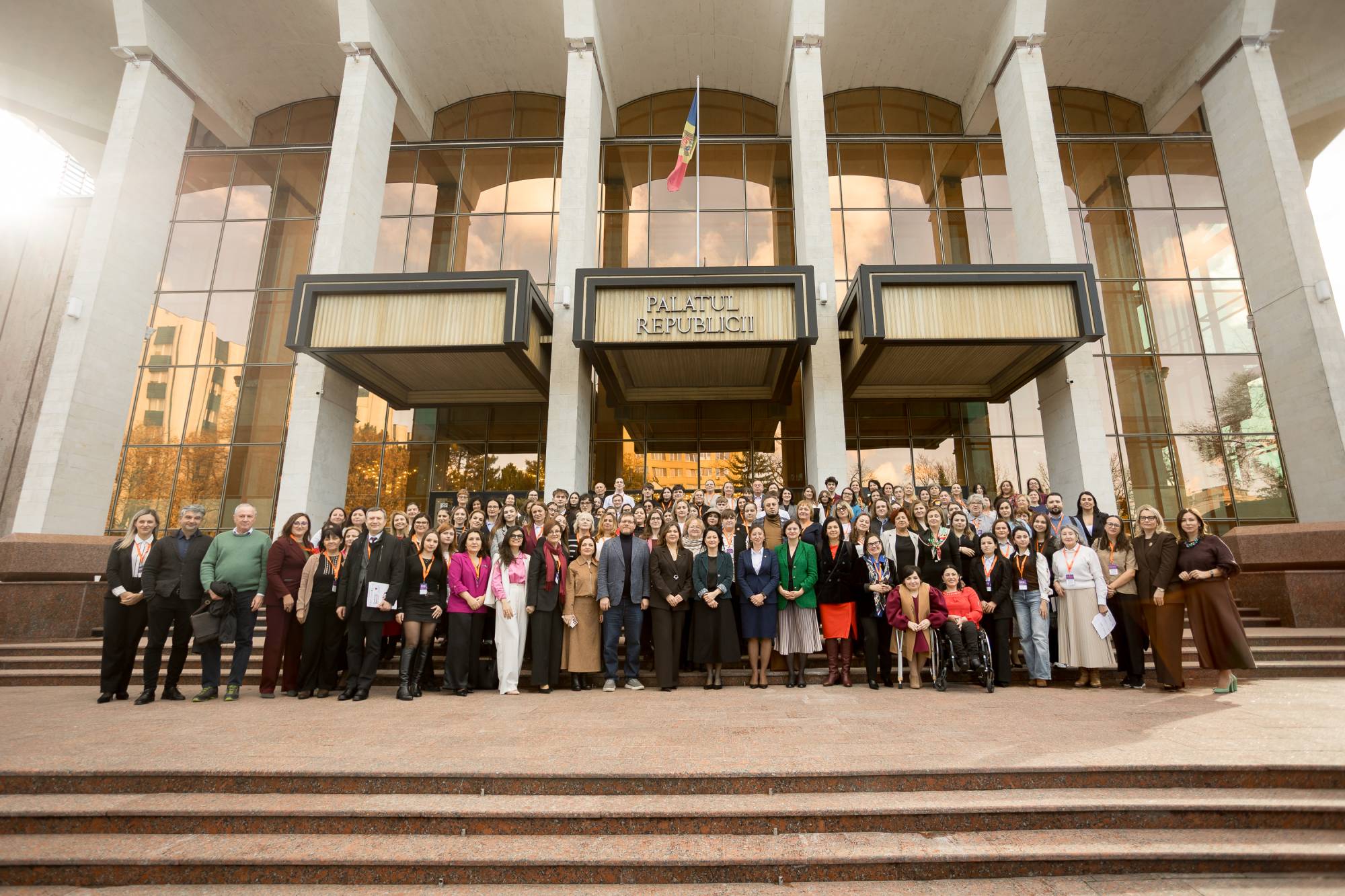
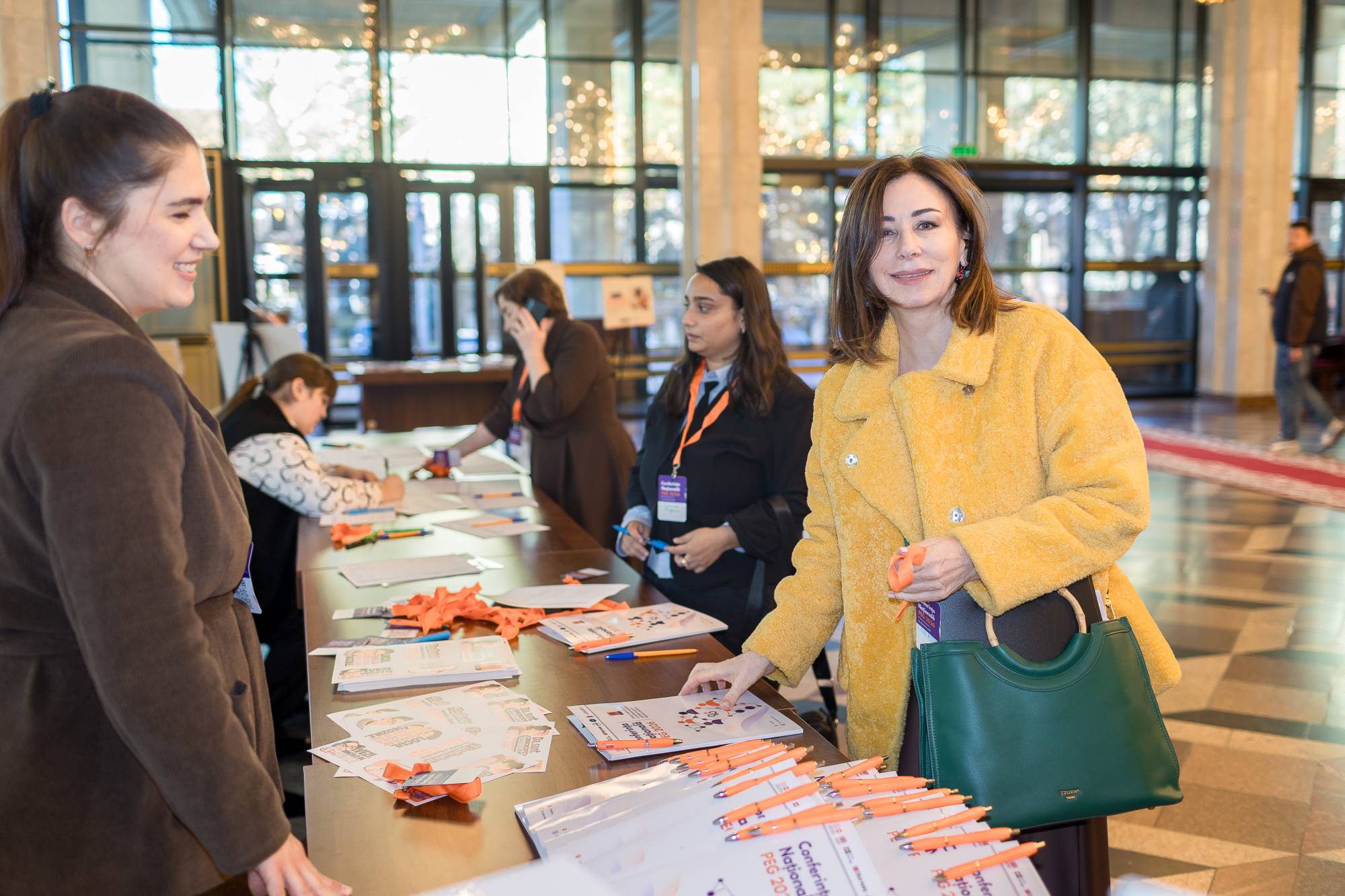
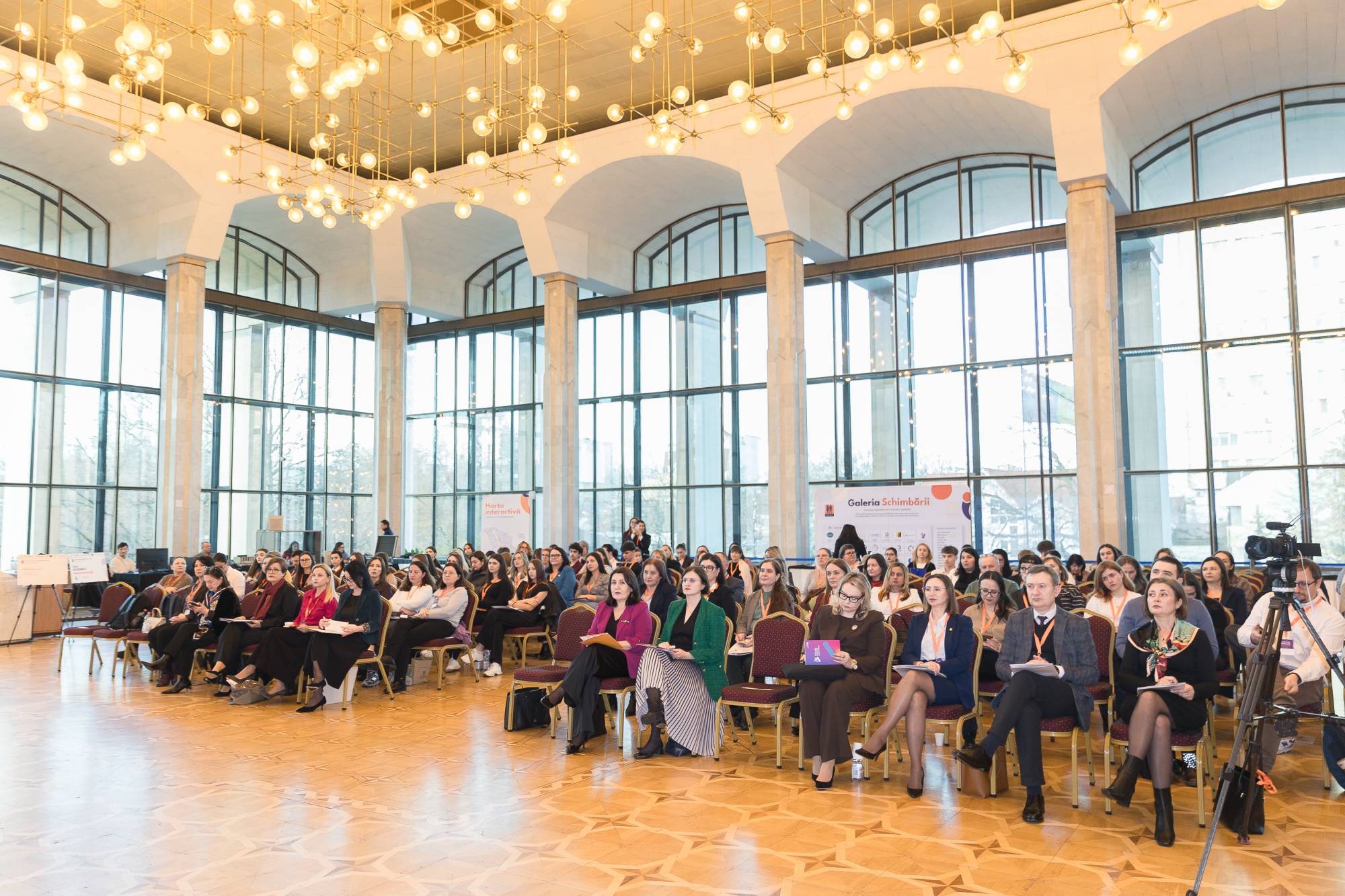
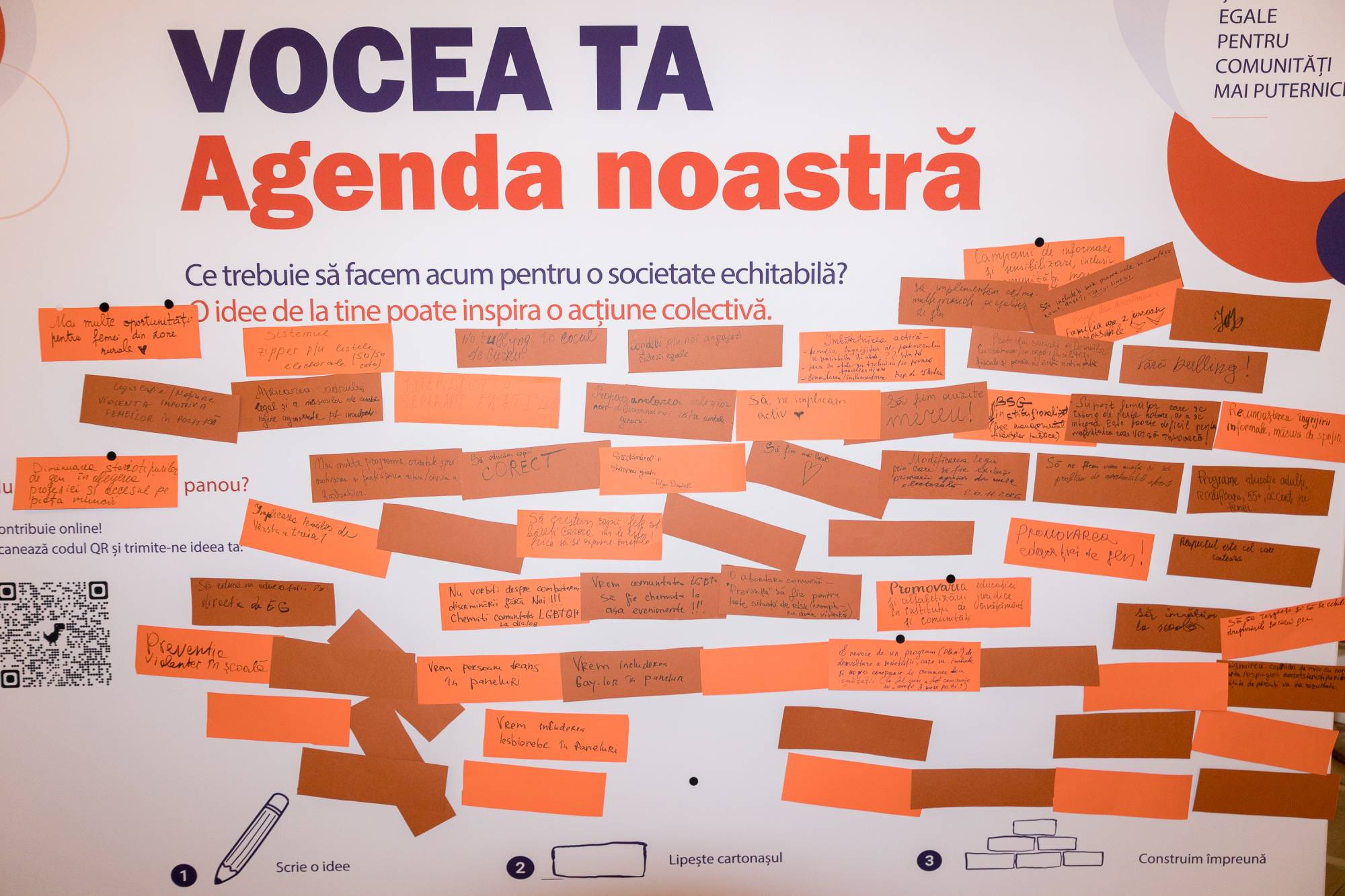
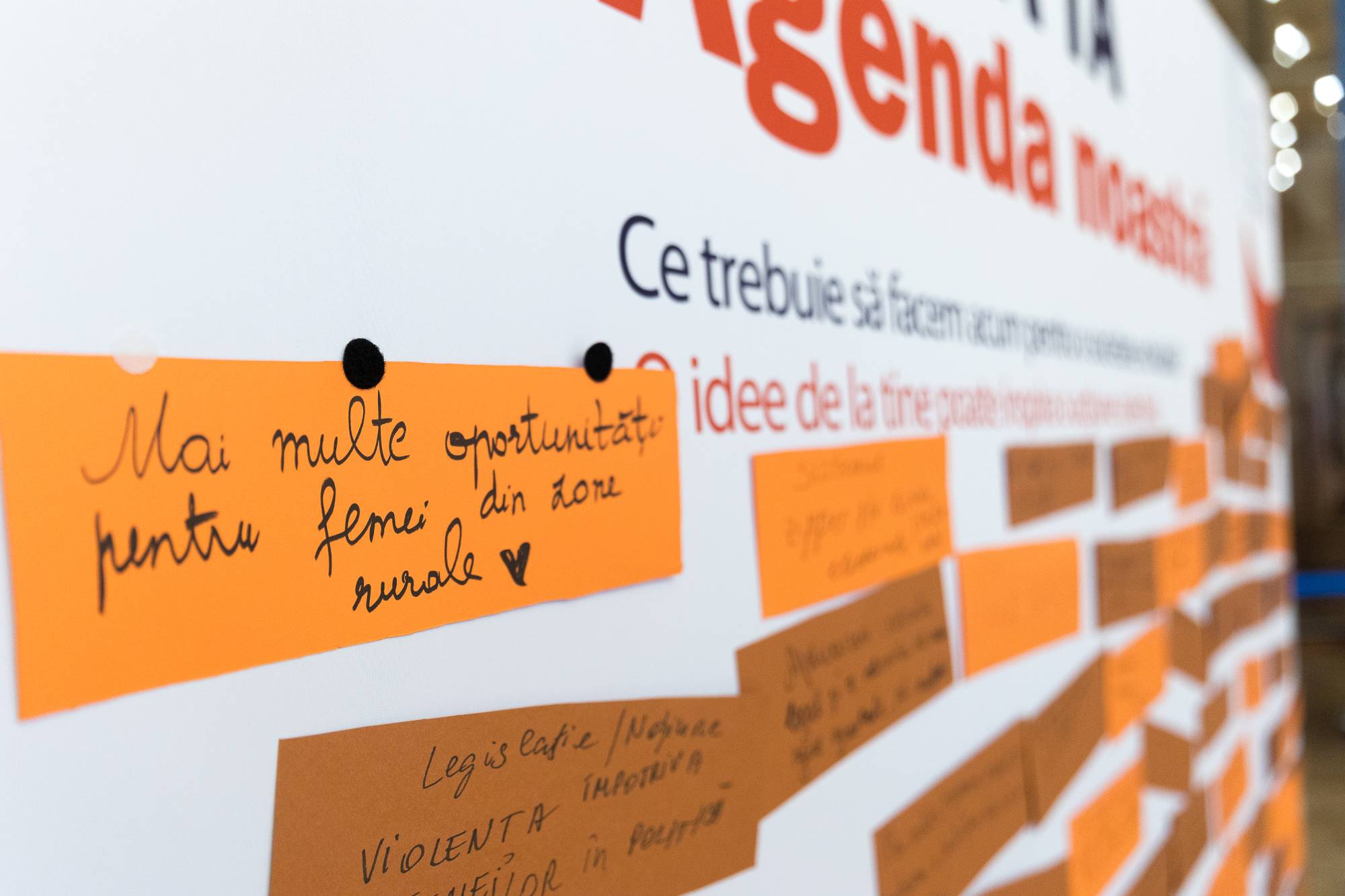
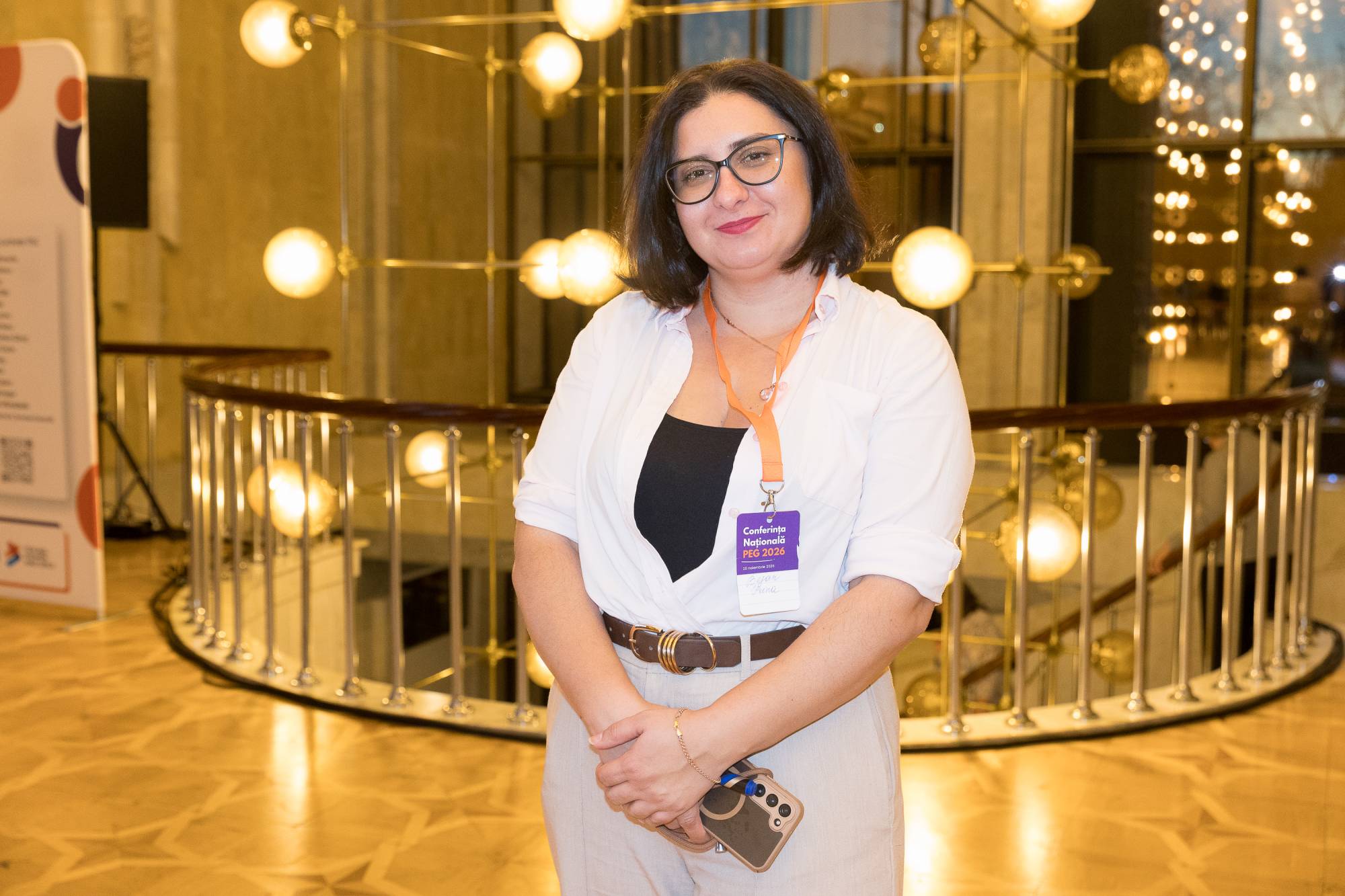
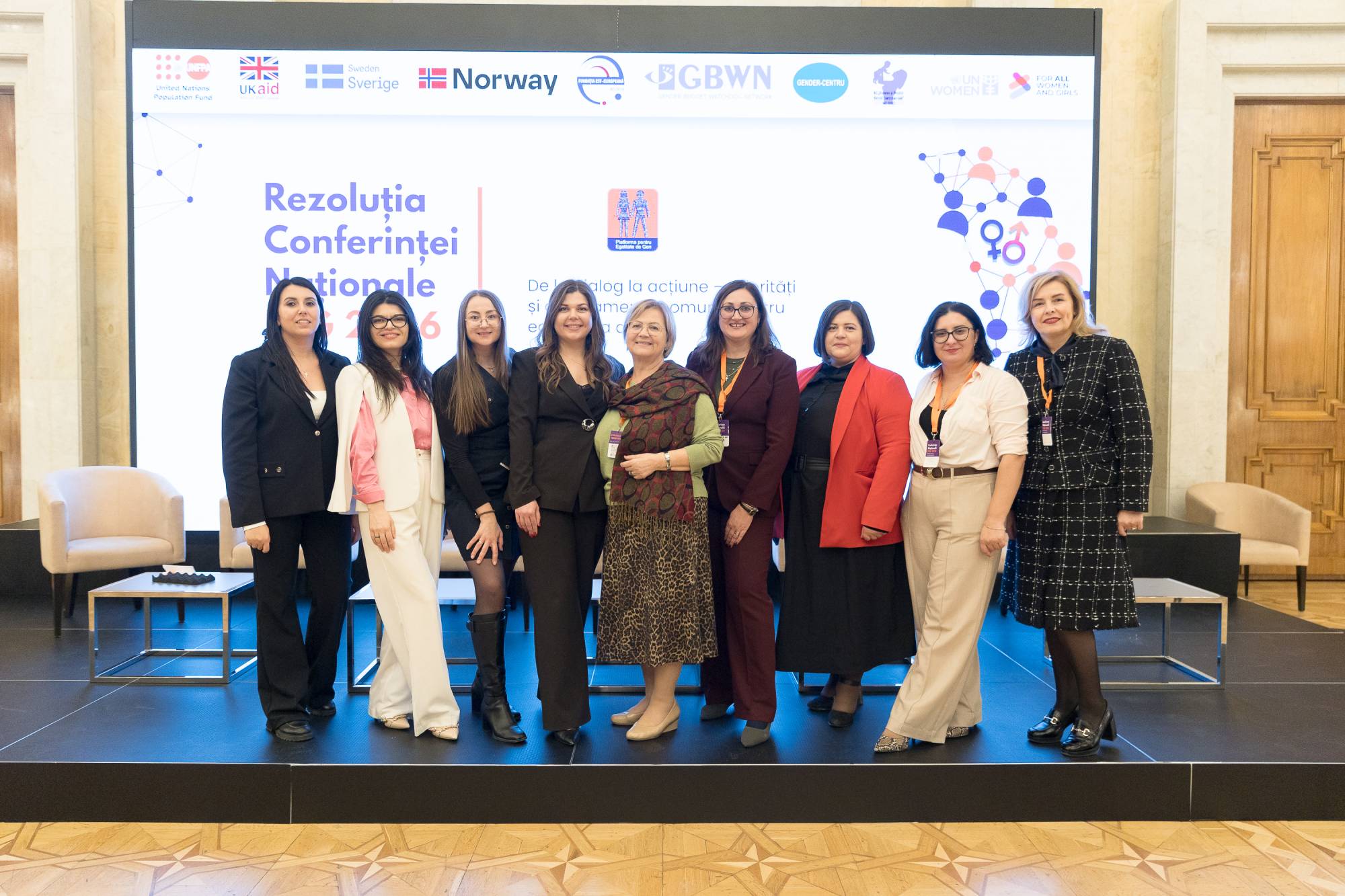
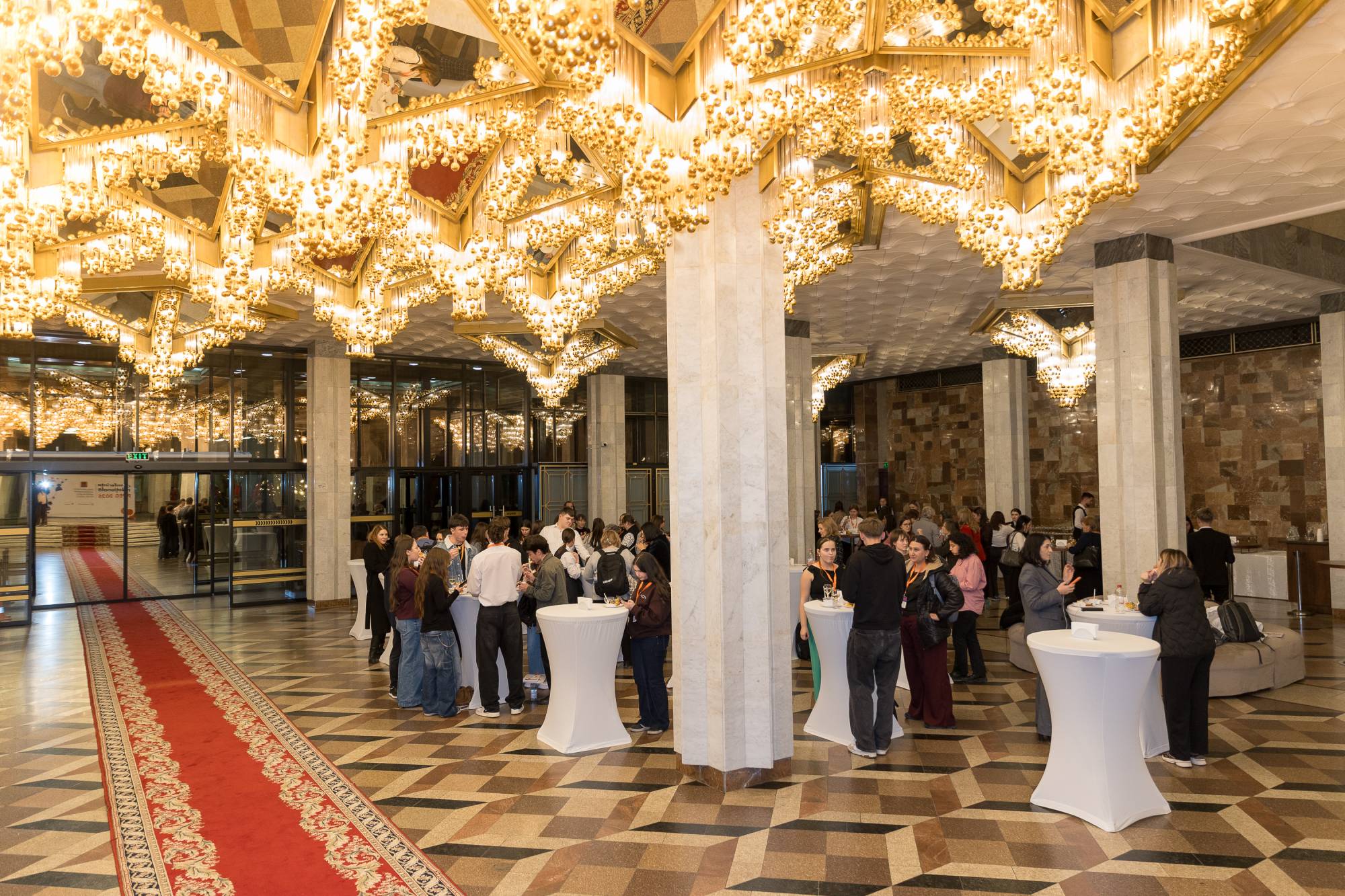
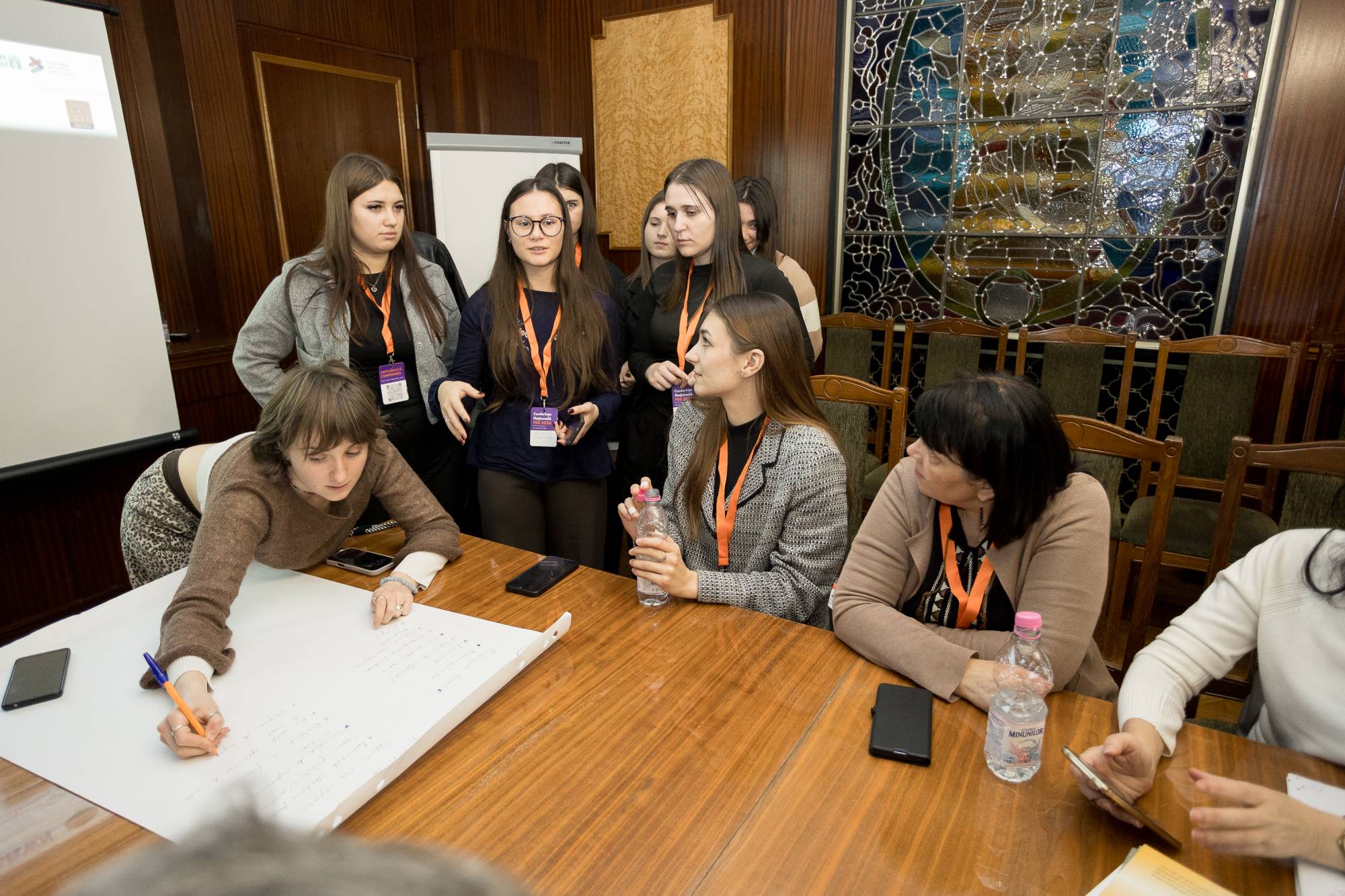
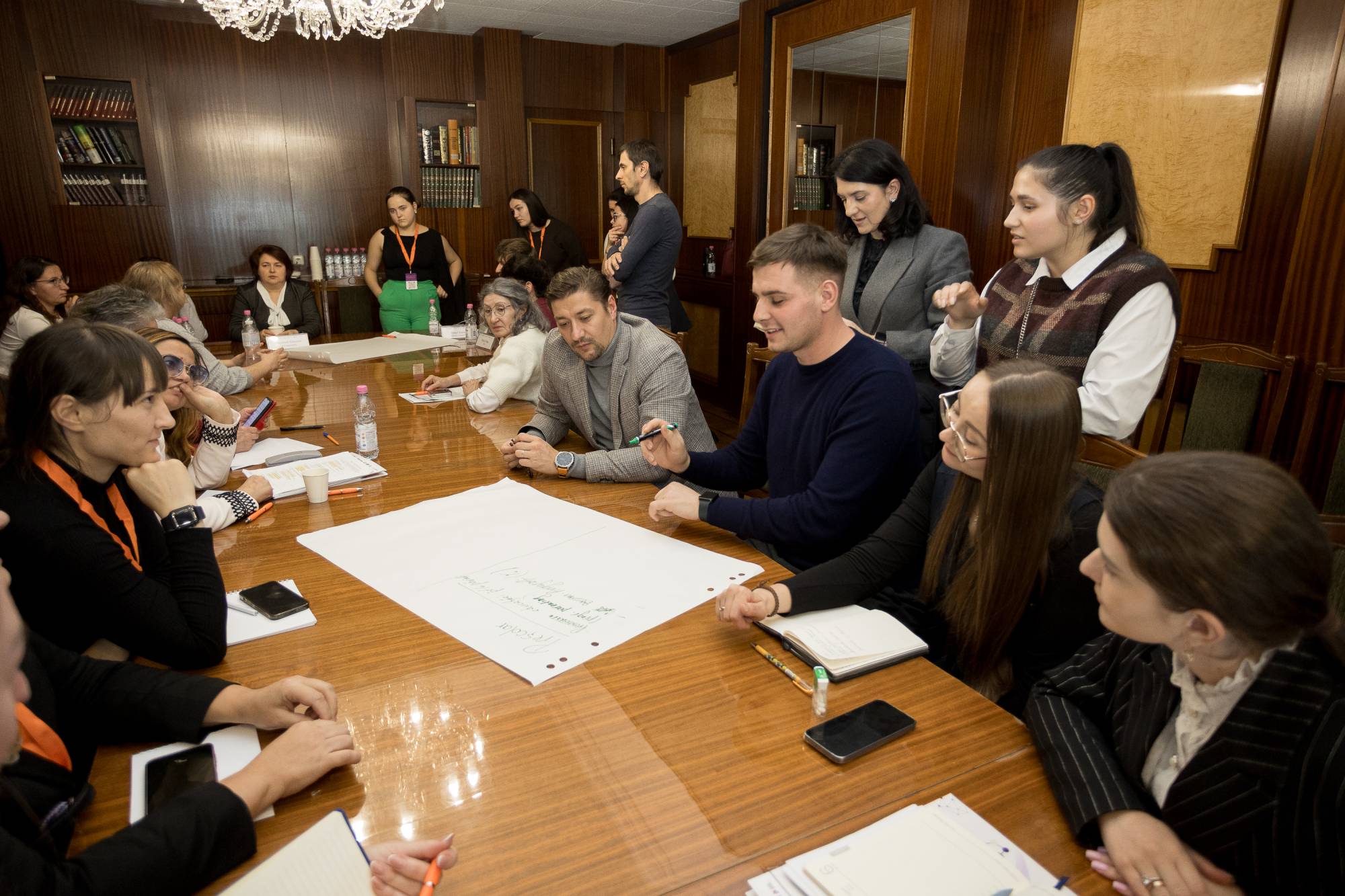
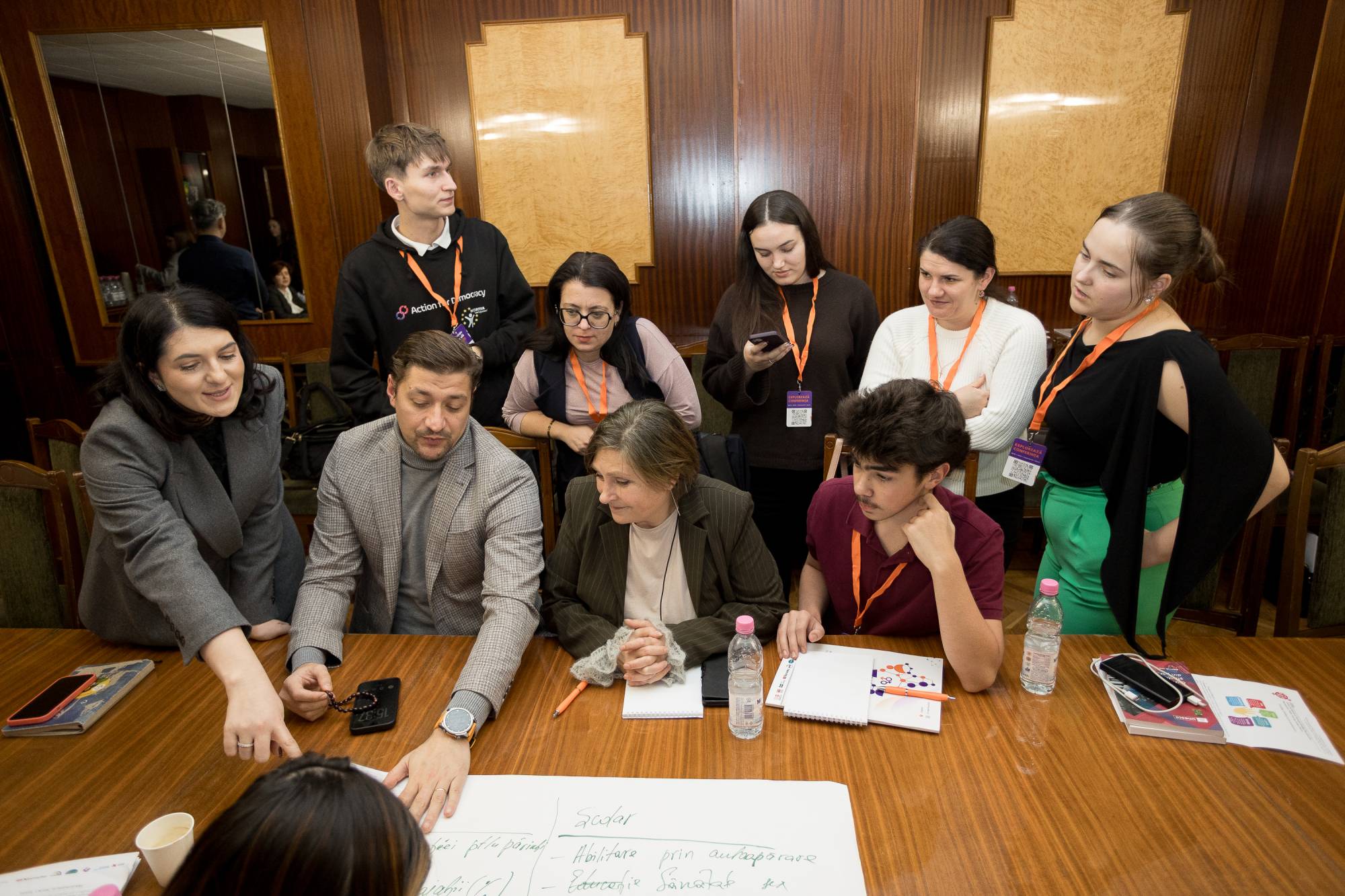
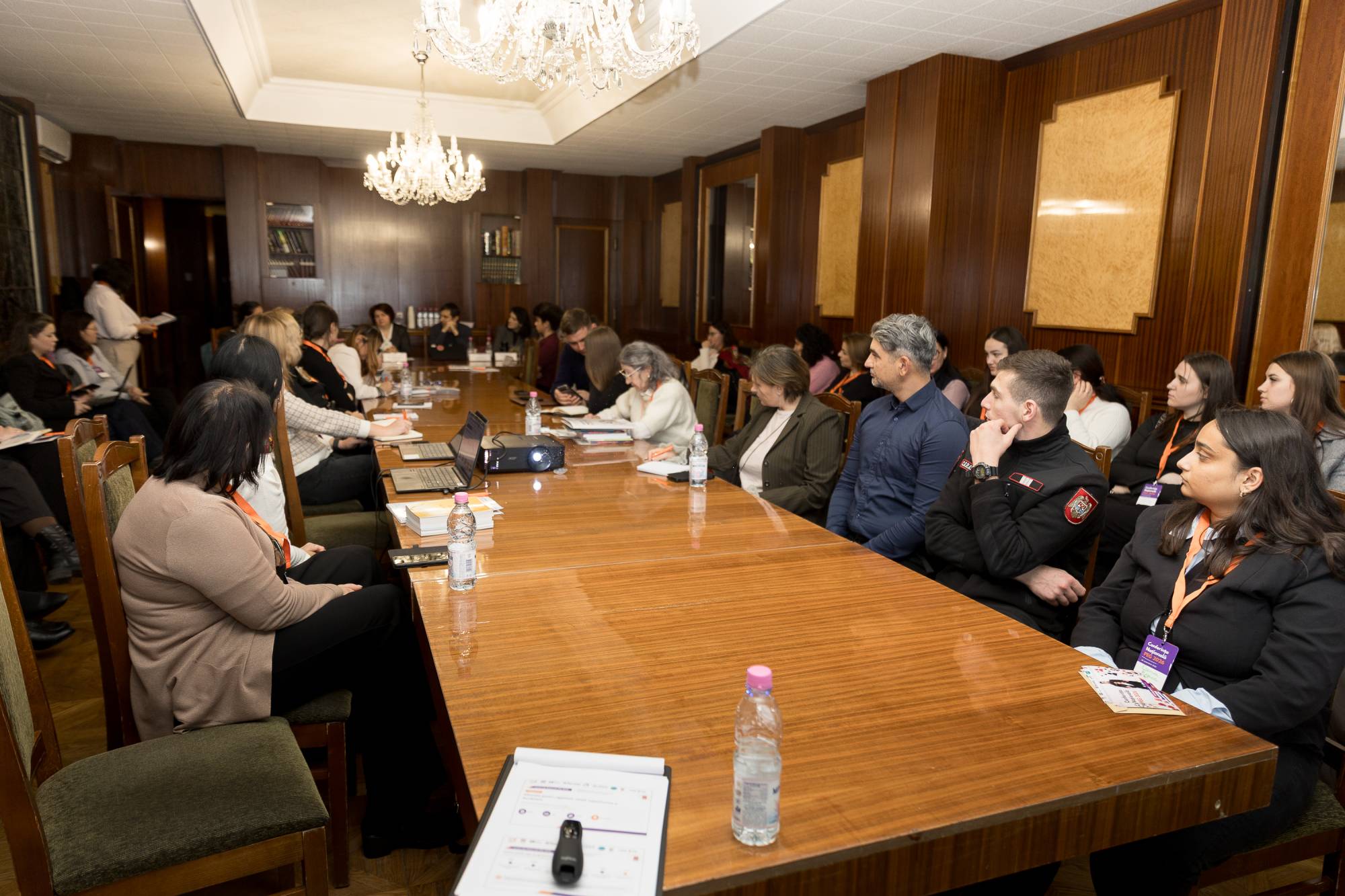
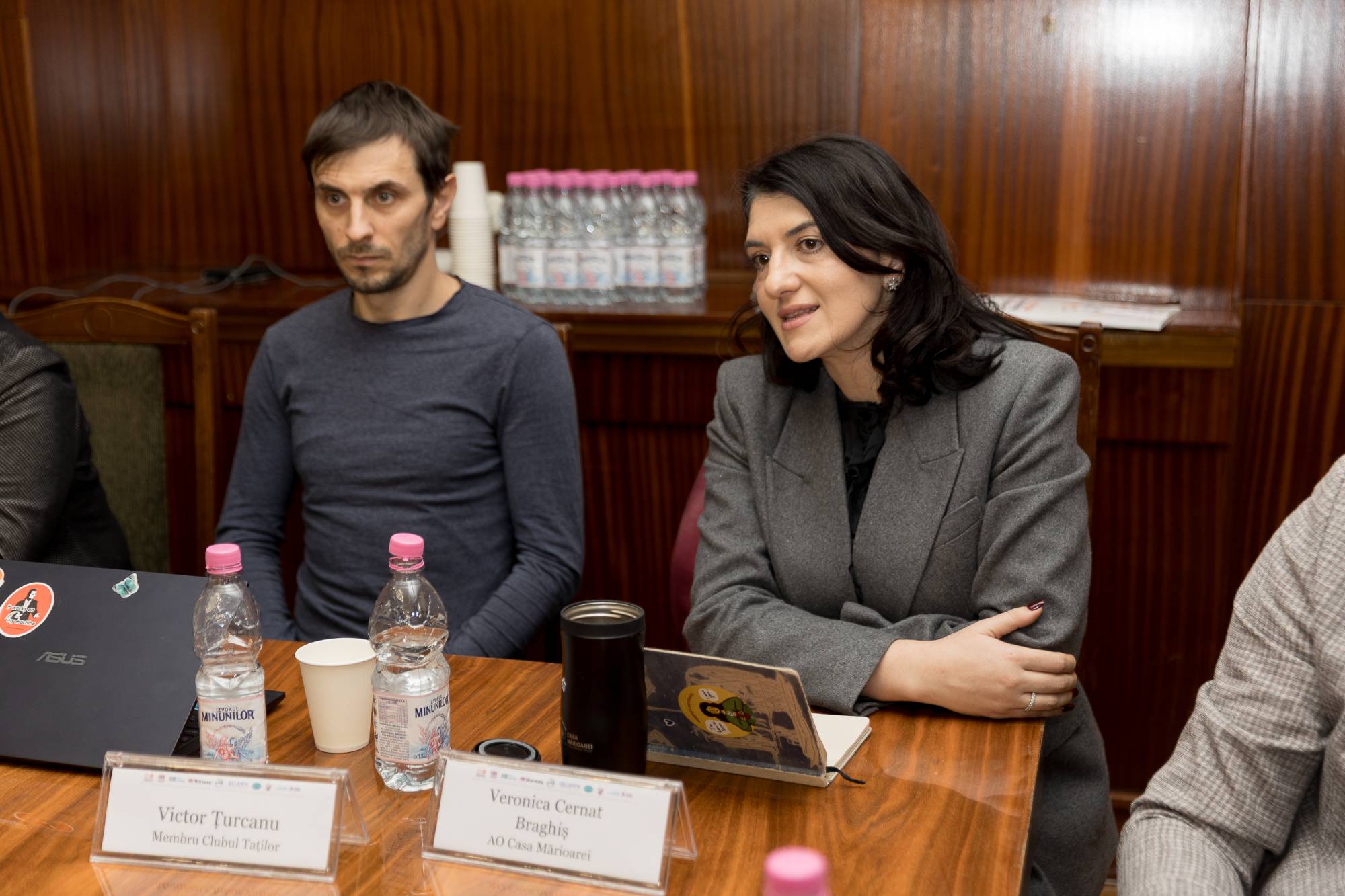
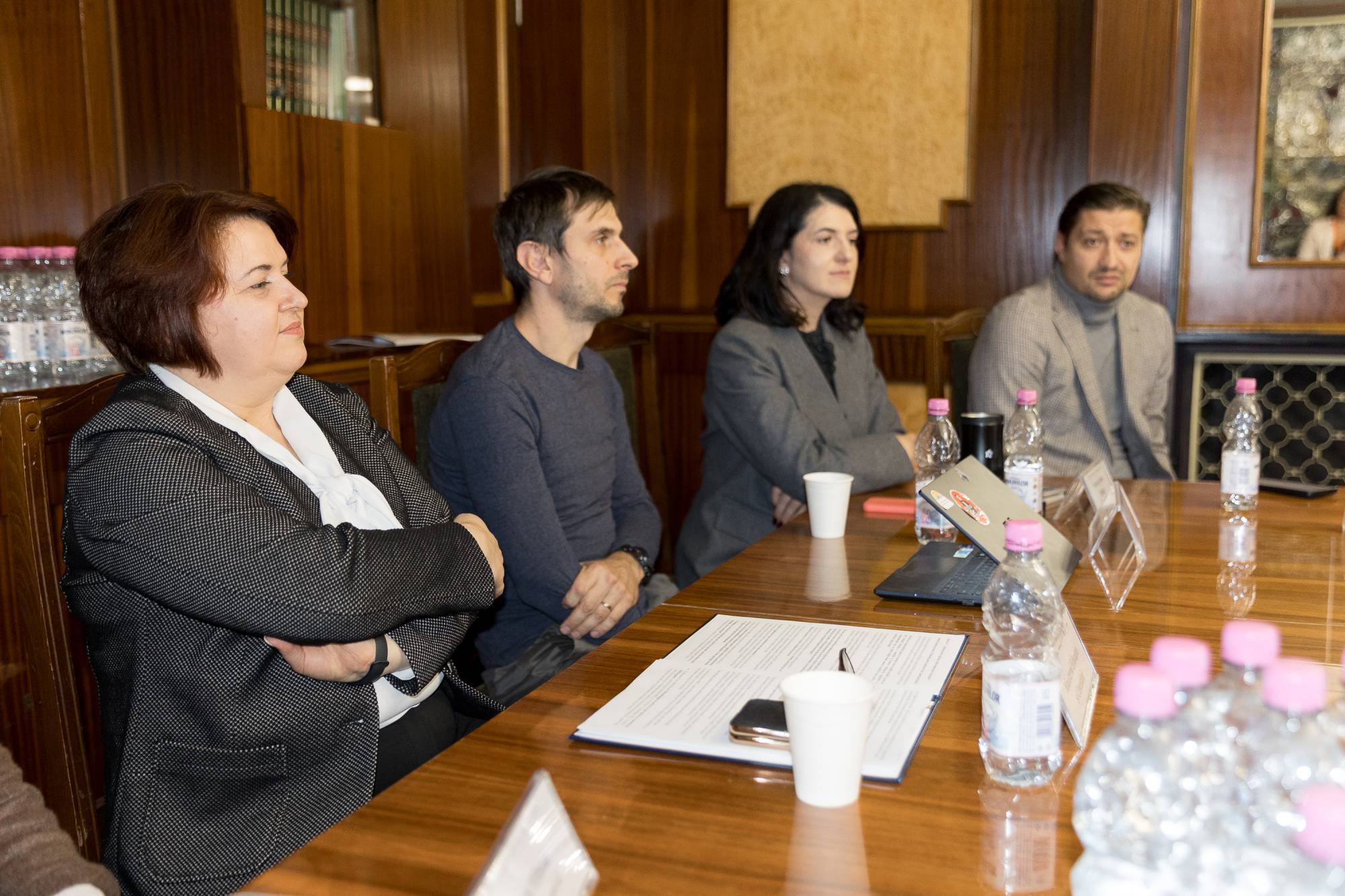
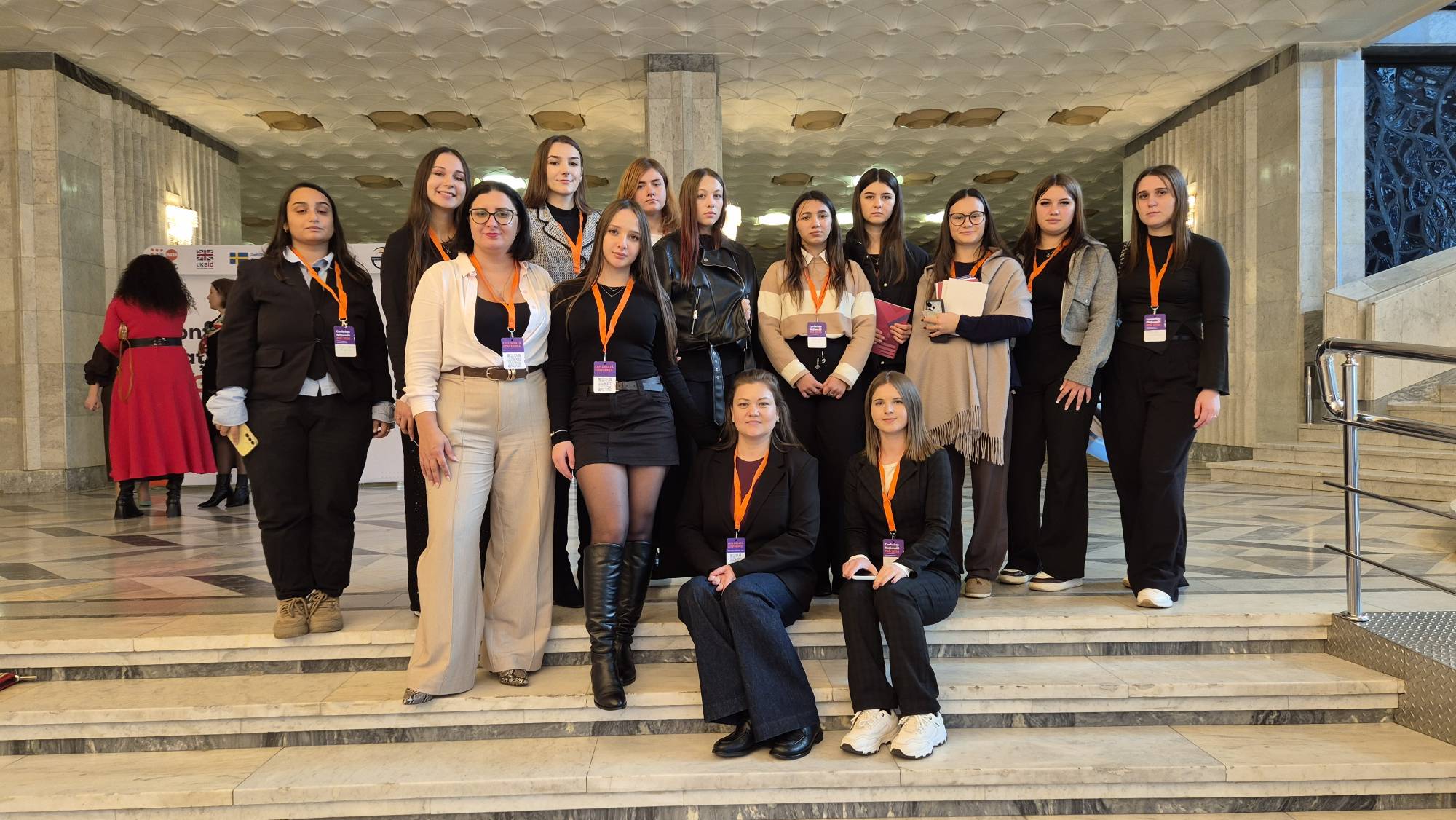
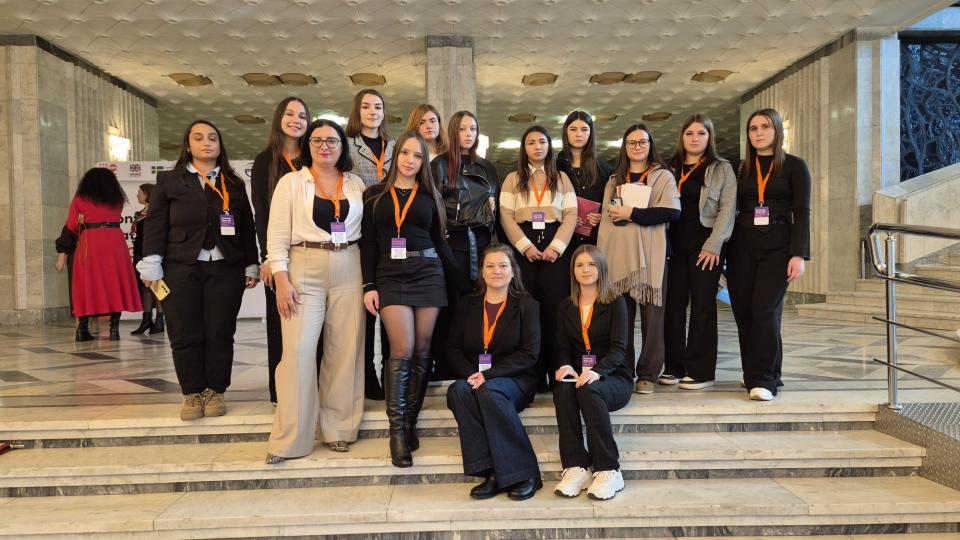
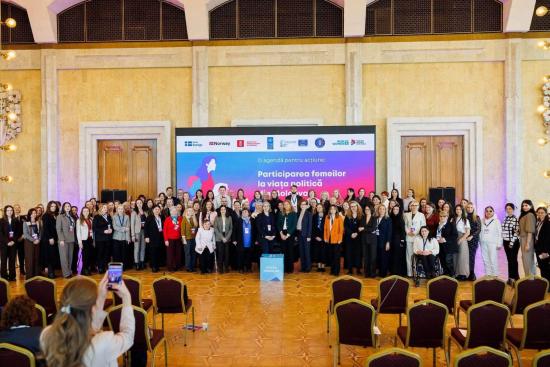
On 20 November 2026, the Regional Center for Community Development (CRDC), as a member organization of the Gender Equality Platform (PEG) and a co-organizer, participated in the first National Conference, “National Dialogue for Strengthening the Gender Equality Agenda in the Republic of Moldova,” held at the Palace of the Republic in Chișinău. The event brought together more than 150 representatives of public authorities, civil society organizations, national institutions, and development partners to identify concrete solutions for advancing gender equality.
The conference provided a platform for dialogue among public authorities, experts, civil society organizations, and individuals actively involved in community development, with a focus on translating gender equality commitments into concrete measures and tangible results.
For CRDC, participation in the first edition of the conference was particularly meaningful. Beyond contributing to the preparation and successful implementation of the event, the organization sought to facilitate the representation of communities from southern Moldova and directly contribute to the development of recommendations that will inform future gender equality initiatives and actions.
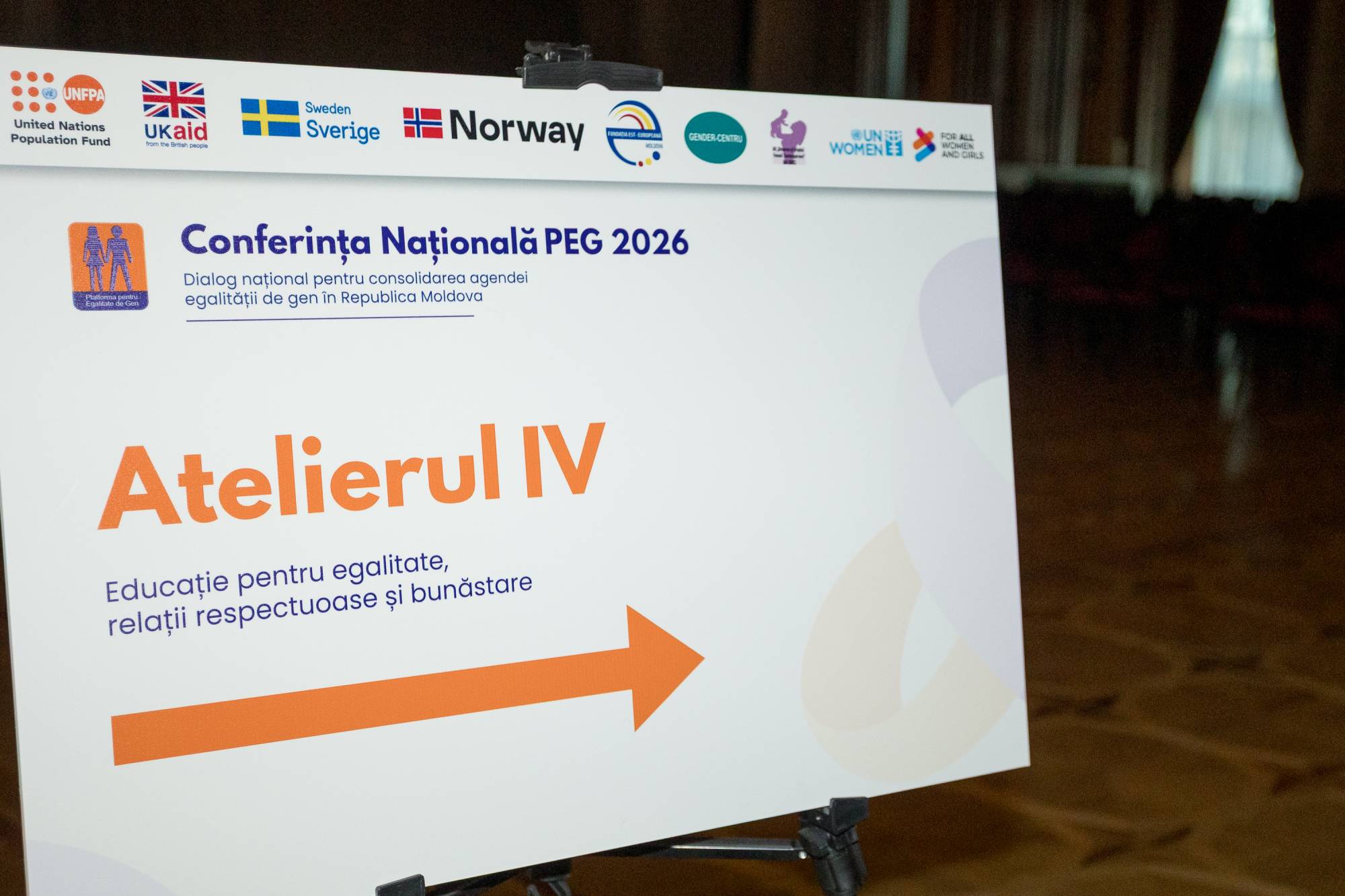
The conference was organized by the Gender Equality Platform with the support of the East Europe Foundation, using funds provided by the Government of Norway. The event also benefited from contributions by UN Women Moldova, with the support of the Embassy of Sweden in the Republic of Moldova; UNFPA Moldova, through a grant programme funded by the Government of the United Kingdom and coordinated by the Gender-Centru Association; and Keystone Moldova, within the framework of the “Gender Budget Watchdog Network” project.
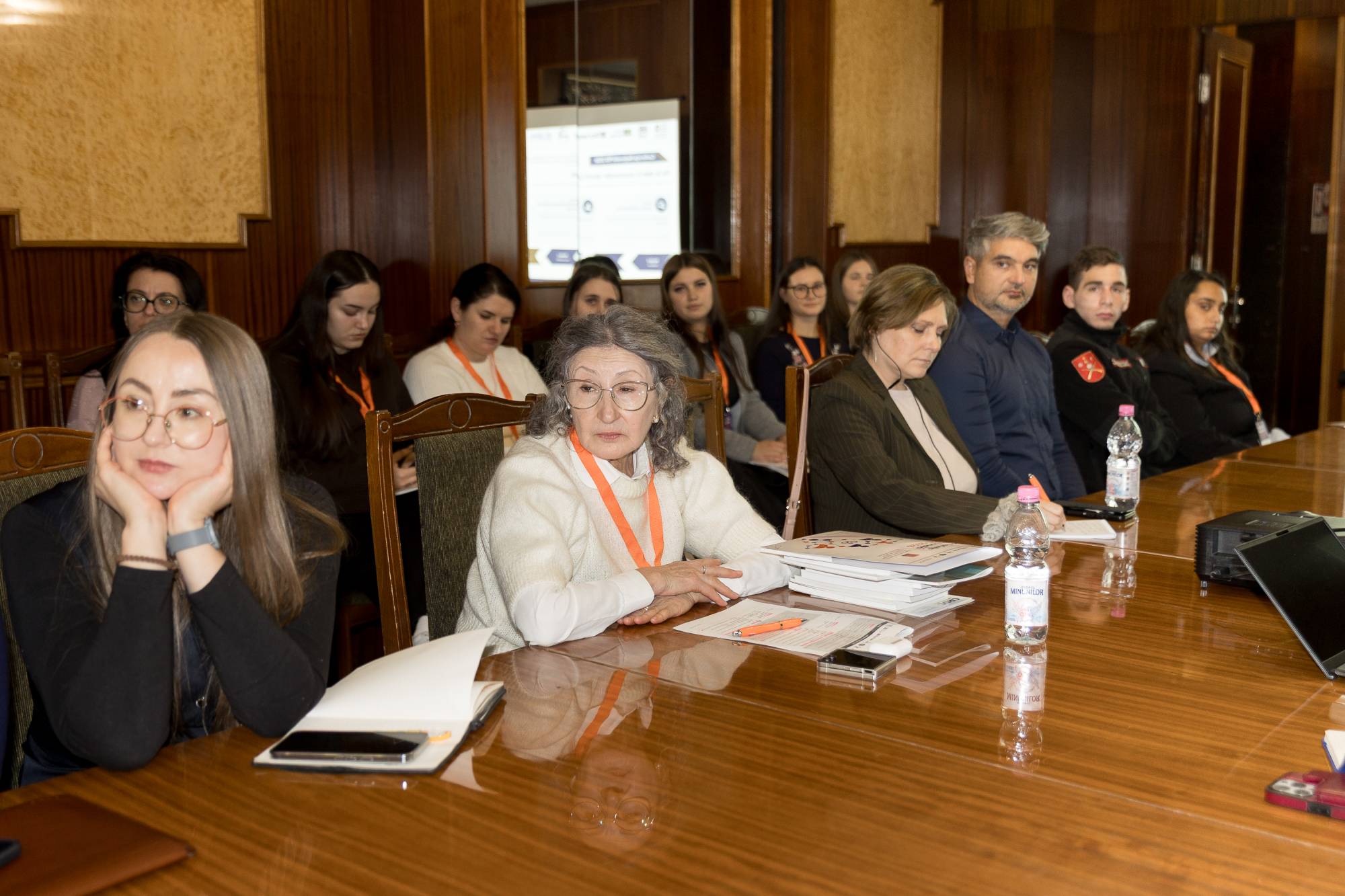
With CRDC's support, a delegation of 20 participants from the Cahul region attended the conference, including professionals from various fields, active young women and men, women involved in community life, and individuals interested in promoting equal opportunities.
Their participation provided an opportunity to learn about the perspectives of national institutions and organizations from other regions, exchange experiences, identify new opportunities for cooperation, and bring local community realities into national discussions.
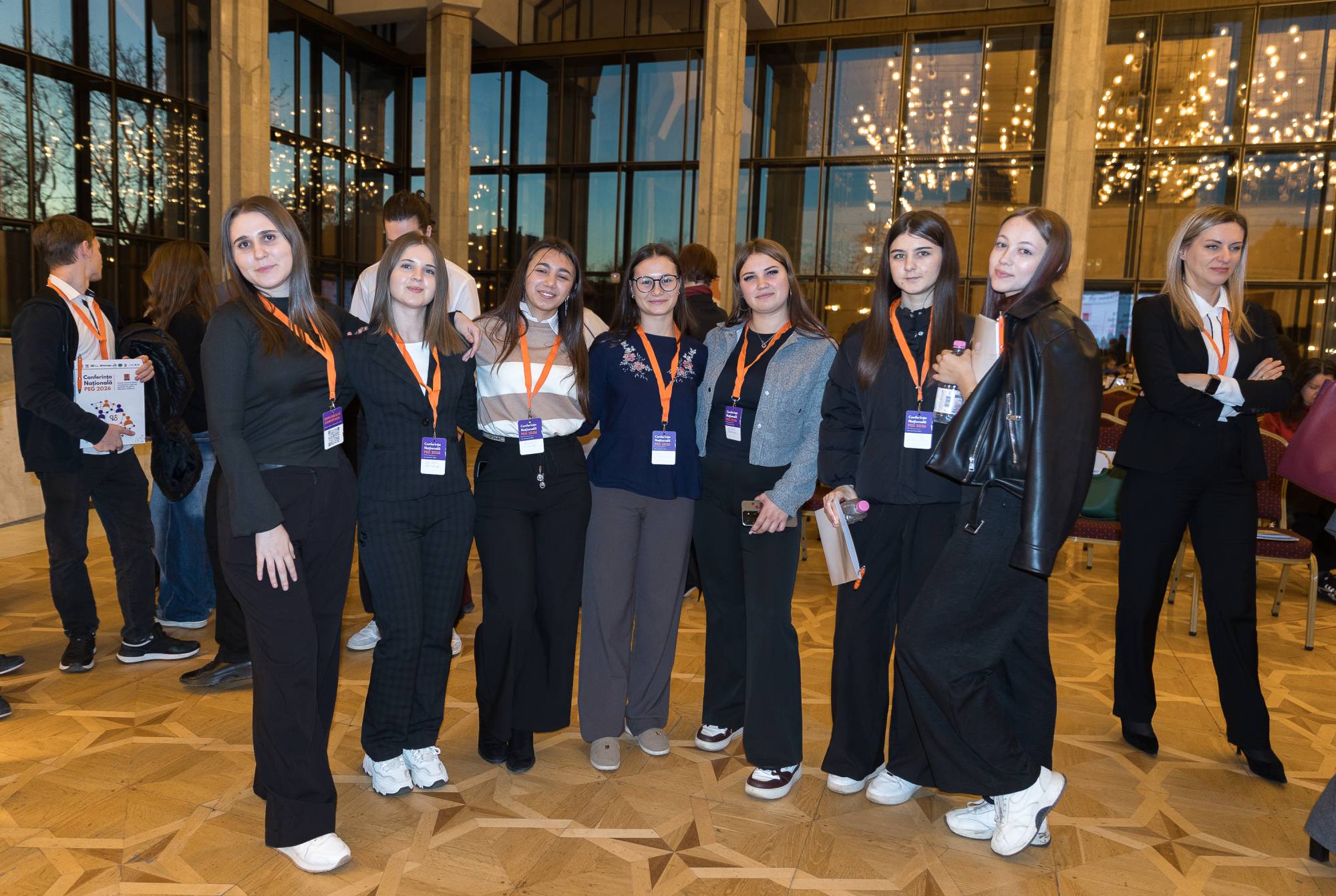
CRDC's female volunteers also played an important role in the successful implementation of the event, actively supporting organizational activities. Through their responsibility, initiative, and teamwork, they contributed to the conference and once again demonstrated the value of youth engagement in organizing events of national significance.
Through this mobilization, CRDC continued its mission of facilitating access for communities in southern Moldova to opportunities for participation, dialogue, and representation in national initiatives.
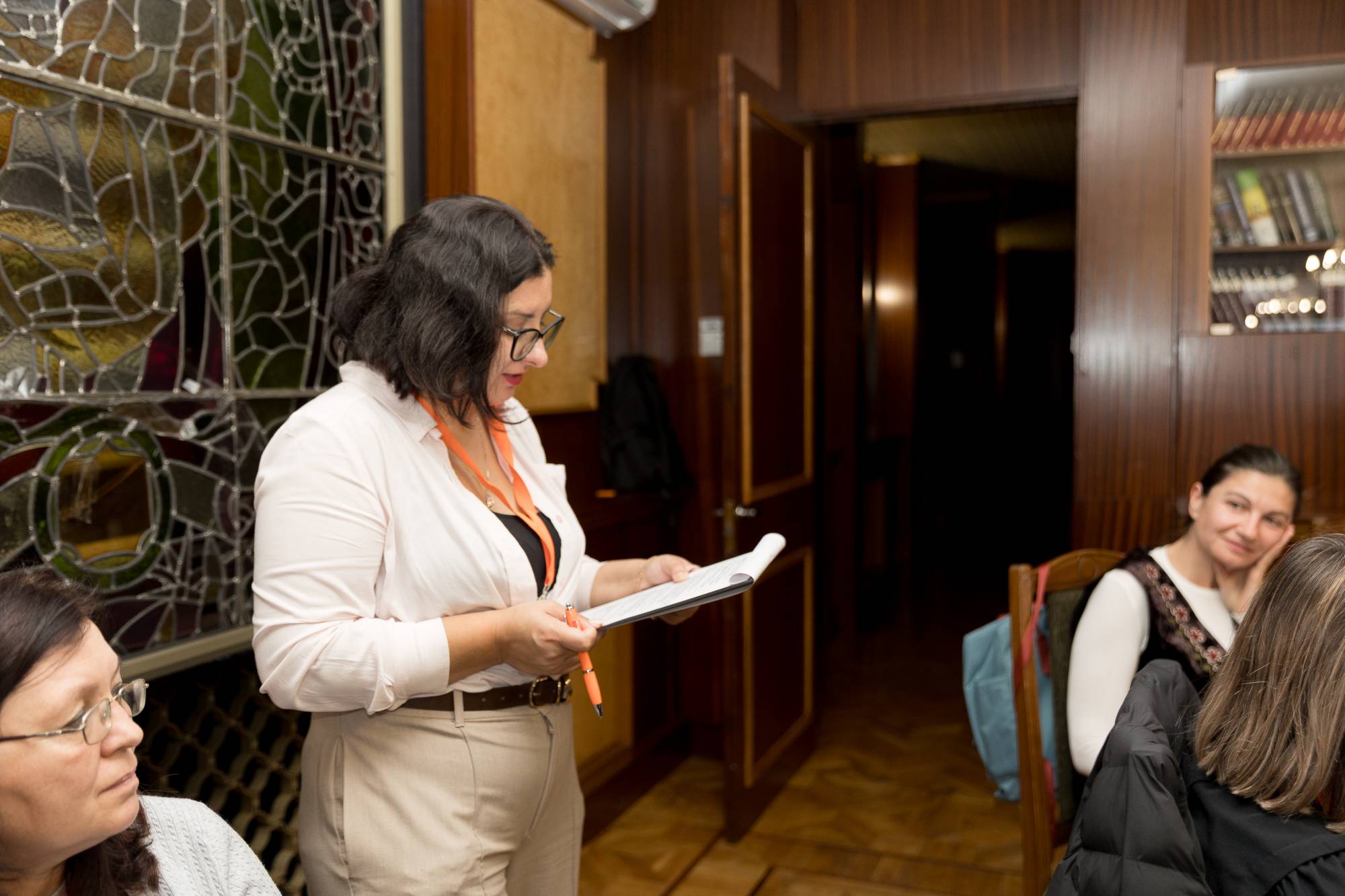
One of CRDC's direct contributions to the conference programme was moderating Workshop IV, “Education for Equality, Respectful Relationships, and Well-being,” held during the afternoon thematic sessions.
The workshop was co-moderated by Irina Bejan, Executive Director of the Regional Center for Community Development, and Elena Burlacu, a representative of YOUTH WAVE Ungheni.
Discussions highlighted the role of education in preventing discrimination and violence, challenging gender stereotypes, promoting relationships based on mutual respect, and creating safe and inclusive educational and community environments.
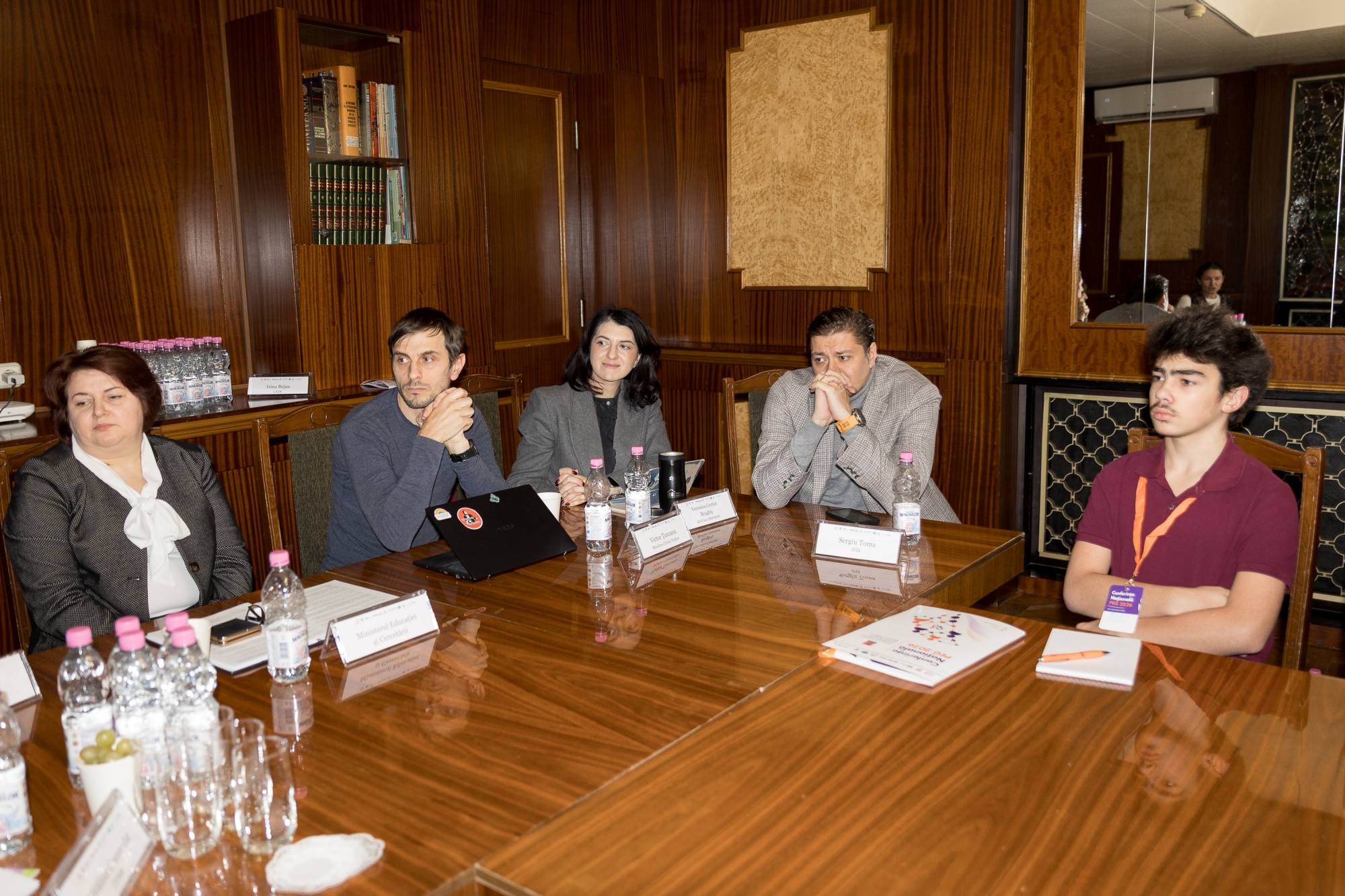
The workshop brought together complementary perspectives from education, youth policy, reproductive health, violence prevention, mental health, and family involvement in education for equality.
Contributors to the dialogue included:
Valentina Olaru – State Secretary at the Ministry of Education and Research;
Lorelei Grigoriță – Board Member of the National Youth Council of Moldova (CNTM);
Cătălina Comendat – representative of the Center for Training in Reproductive Health (CIDSR);
Veronica Cernat-Braghiș – Executive Director of Casa Mărioarei Association;
Victor Țurcanu – member of the Fathers' Club;
Sergiu Toma – psychologist, psychotherapist, and Executive Director of IFIS.
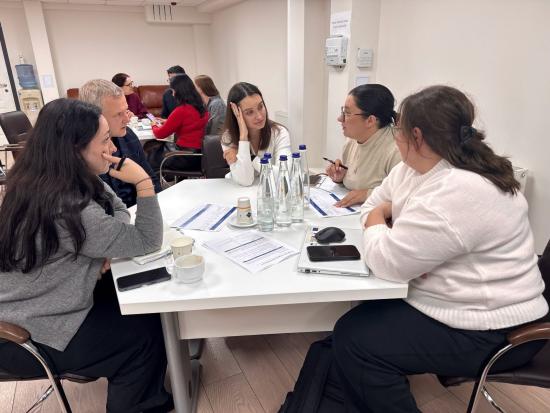
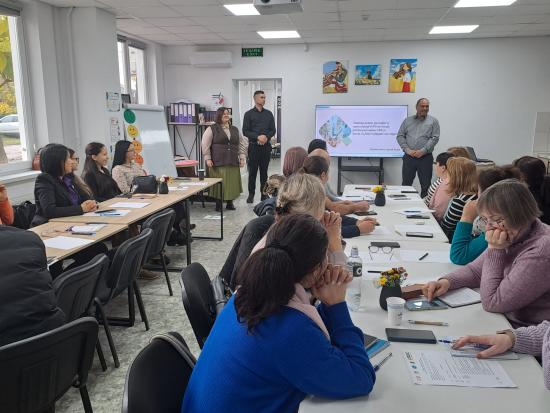
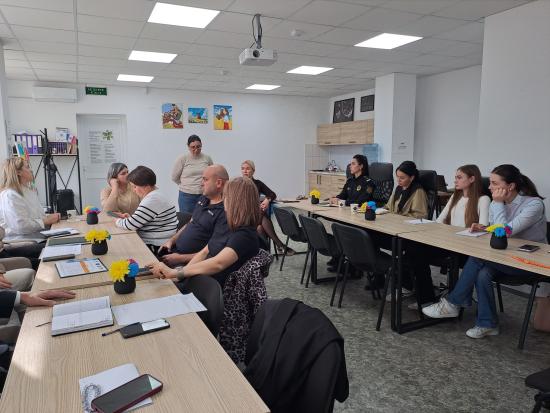
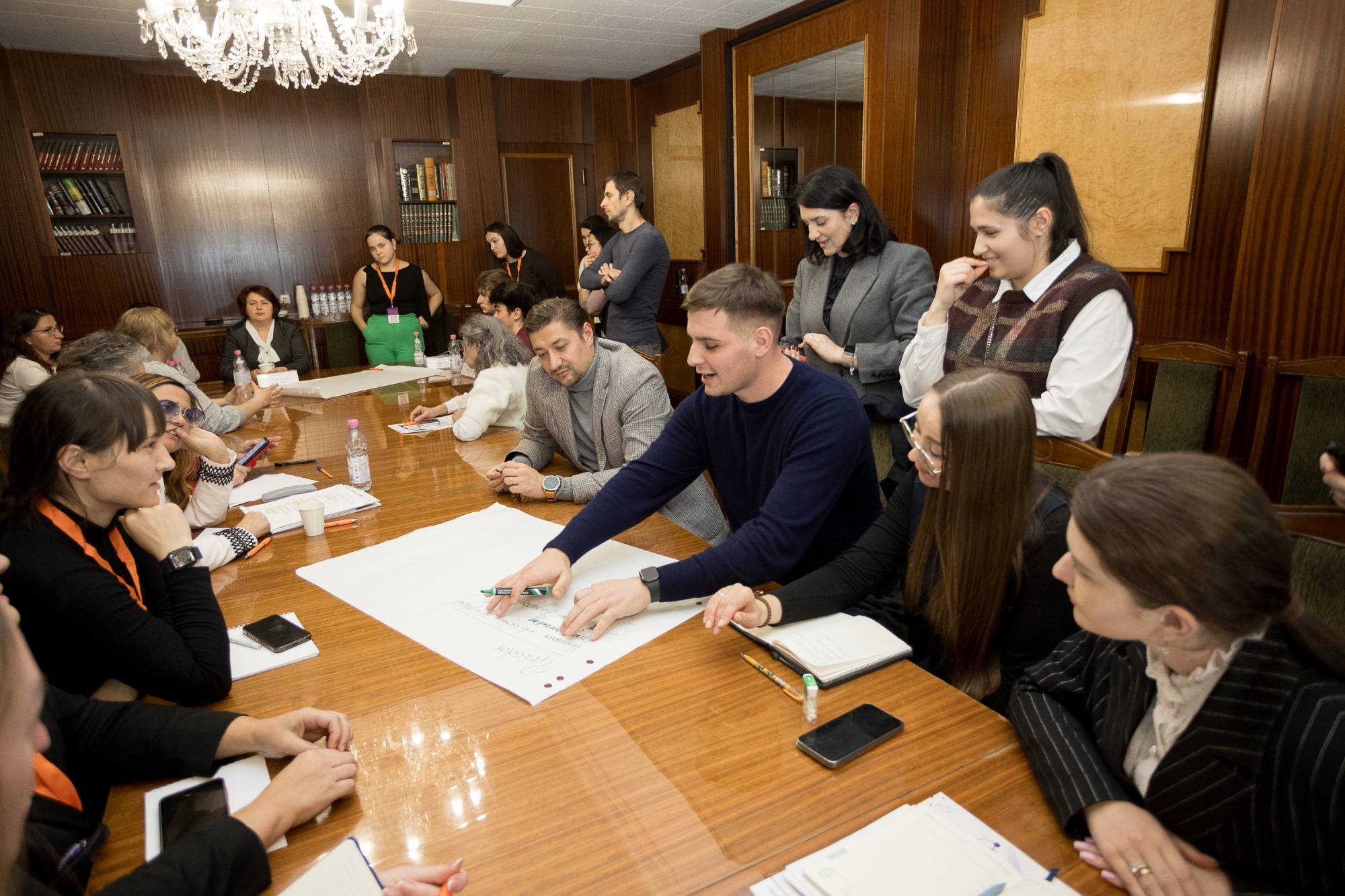
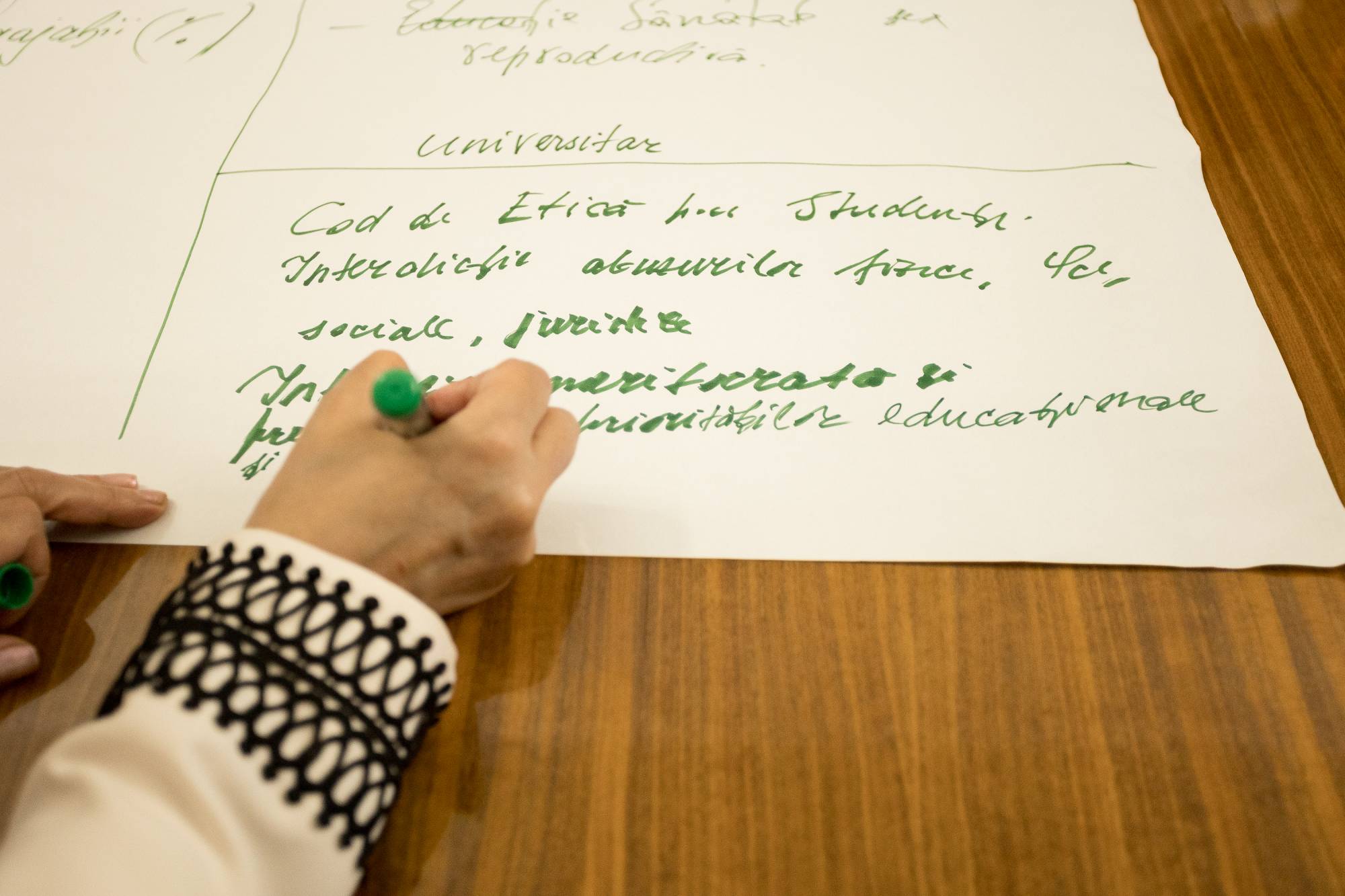
An important component of the workshop was the use of the participatory World Café method, which transformed discussions into an interactive process of identifying challenges and developing solutions.
Rather than relying exclusively on presentations and individual contributions, participants engaged in group discussions, sharing experiences, observations, and proposals from their professional fields and communities.
Under the moderation of Irina Bejan and Elena Burlacu, this format encouraged the exchange of perspectives among representatives of public institutions, civil society organizations, experts from different fields, and individuals involved in community initiatives.
Discussions addressed challenges related to preventing harassment and violence in educational settings, challenging gender stereotypes, promoting healthy relationships, strengthening teachers' competencies, and encouraging greater involvement of parents, young people, and community organizations.
Particular emphasis was placed on the need for cooperation among educational institutions, public authorities, civil society organizations, and families to ensure that education for equality is reflected not only in policy documents but also in everyday practices.
The added value of the World Café format was its ability to connect individual and institutional experiences with joint proposals for action, giving participants an active role in developing recommendations.
One of the most significant outcomes of Workshop IV was the direct contribution of group discussions and proposals to the development of the PEG 2026 National Conference Resolution.
The ideas and recommendations identified through participatory discussions were synthesized and incorporated into the collective process of defining the conference's priorities, alongside the outcomes of the other three thematic workshops.
Thus, the workshop went beyond an exchange of views or presentation of experiences and contributed to a collective outcome intended to support subsequent dialogue with public institutions and relevant organizations.
For CRDC, this process demonstrated the importance of participatory methodologies in developing public policy recommendations, enabling the perspectives of people working directly in communities to be reflected in joint advocacy documents.
Moderating Workshop IV also provided an opportunity to build on CRDC's experience in non-formal education, youth work, gender-based violence prevention, and facilitating community dialogue.
The conference programme included two plenary sessions and four thematic workshops addressing key areas for advancing gender equality in the Republic of Moldova:
Women's participation in decision-making and gender-responsive governance;
Economic equality and equity in the workplace;
Public services, infrastructure, and inclusive local development;
Education for equality, respectful relationships, and well-being.
Discussions highlighted that, although the Republic of Moldova has made progress in developing its legislative and institutional framework, challenges persist in policy implementation, discrimination prevention, and ensuring equitable access to opportunities and services.
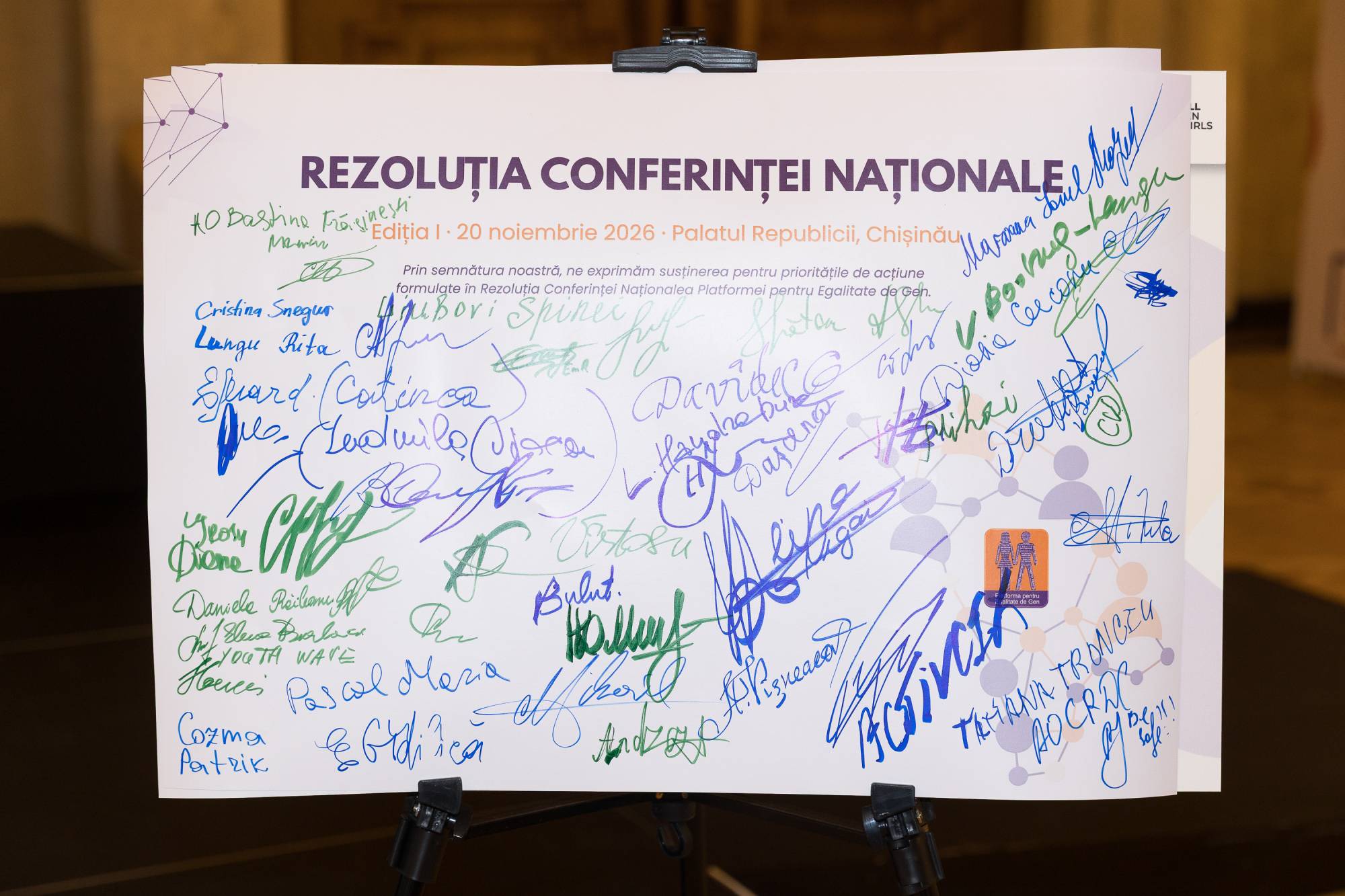
The conference concluded with the consensus adoption of the PEG 2026 National Conference Resolution, bringing together the main recommendations formulated during the plenary discussions and thematic workshops.
The document serves as a reference for continued dialogue among public authorities, civil society, and development partners, as well as for advocating measures needed to advance gender equality.
Participants also symbolically reaffirmed their shared commitment by signing the Book of Commitments for Equality, an initiative intended to ensure continuity of dialogue and the adoption of shared priorities at future editions of the conference.
The PEG 2026 National Conference Resolution is available here: https://docs.google.com/document/d/1zIcF5SWcwxSNQ19eyRl6IPDI5fFlNEri9C8eDfk6I8o/edit
CRDC's involvement in organizing the PEG 2026 National Conference reflects the organization's commitment to actively advancing gender equality through both direct community-based interventions and participation in national dialogue, consultation, and advocacy processes.
Experience gained in the Cahul region demonstrates that advancing gender equality requires not only policies and institutional commitments but also ongoing cooperation among civil society organizations, public institutions, professionals from various fields, and community members.
The participation of the Cahul delegation, the involvement of CRDC volunteers, and the contribution to moderating a thematic workshop provided an opportunity to strengthen connections between local and national levels.
At the same time, the event created opportunities to further develop cooperation with other member organizations of the Gender Equality Platform, public institutions, and partners working to promote women's rights, prevent violence, and develop more inclusive communities.
For CRDC, the first PEG National Conference was more than participation in an event: it was an opportunity to contribute to organizing a national dialogue, facilitate the representation of southern communities, and transform participants' experiences and ideas into recommendations for change.
The Regional Center for Community Development will continue to promote the active participation of women and young people, education for relationships based on respect and equality, and cooperation between institutions and communities, so that commitments made at the national level lead to concrete changes at the local level.
The participation and contribution of the Regional Center for Community Development to the organization of the PEG 2026 National Conference were carried out within a programme aimed at strengthening the capacities of women-led organizations to prevent and respond to gender-based violence. The programme is coordinated by the Gender-Centru Association under the auspices of the Gender Equality Platform, with the support of the United Nations Population Fund (UNFPA Moldova) and funding from the Government of the United Kingdom.