Русский
 Română


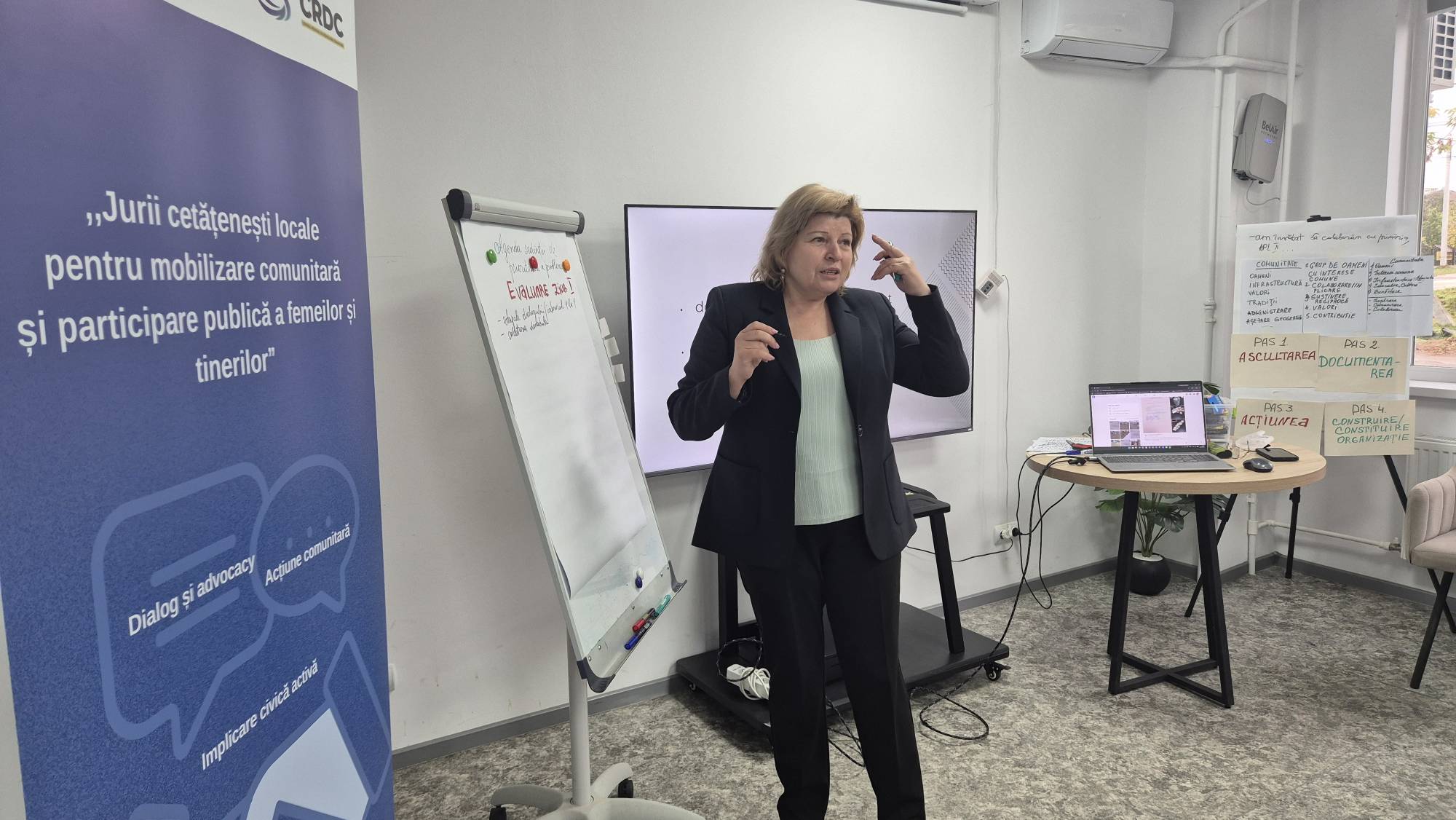
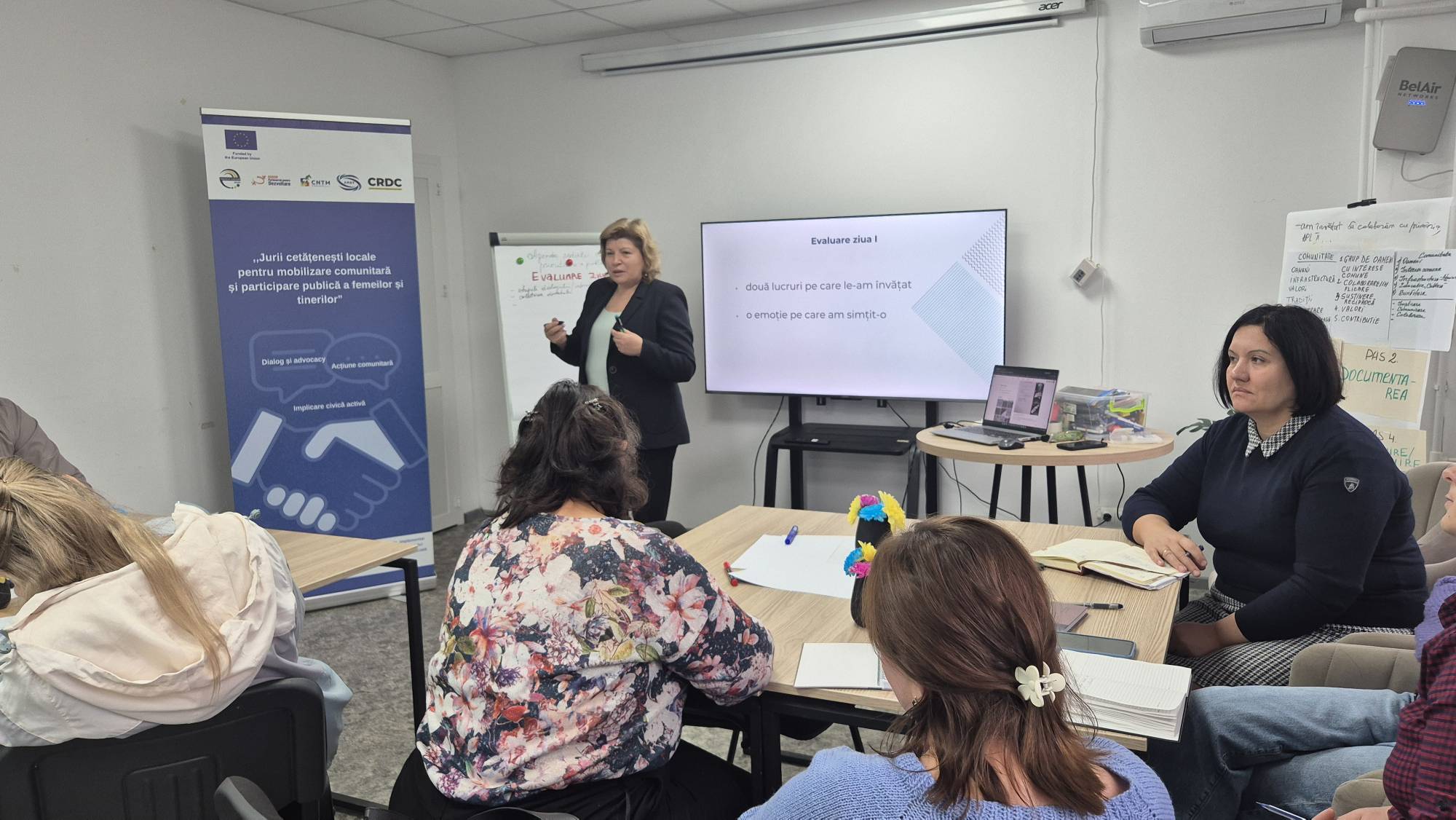
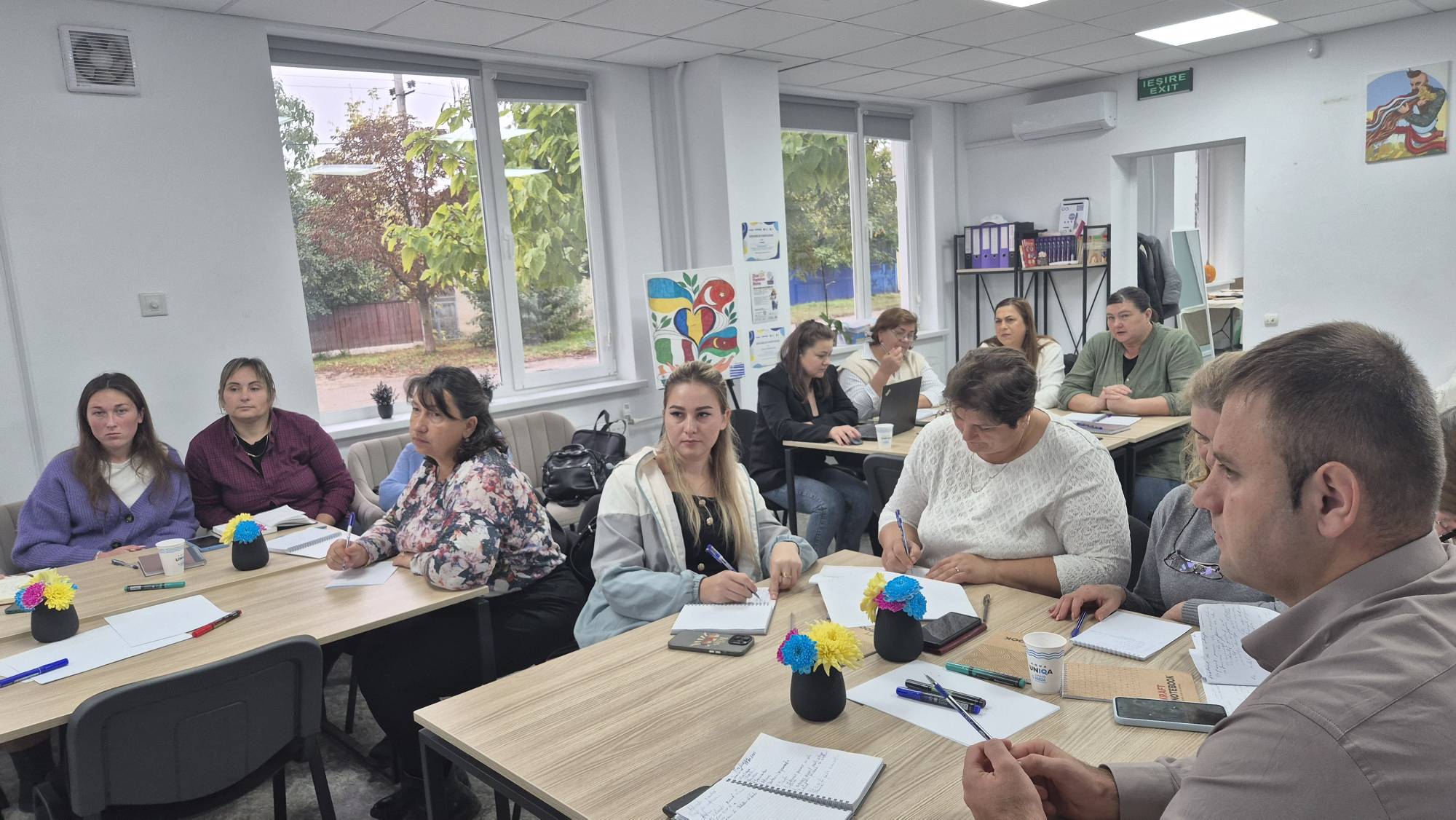
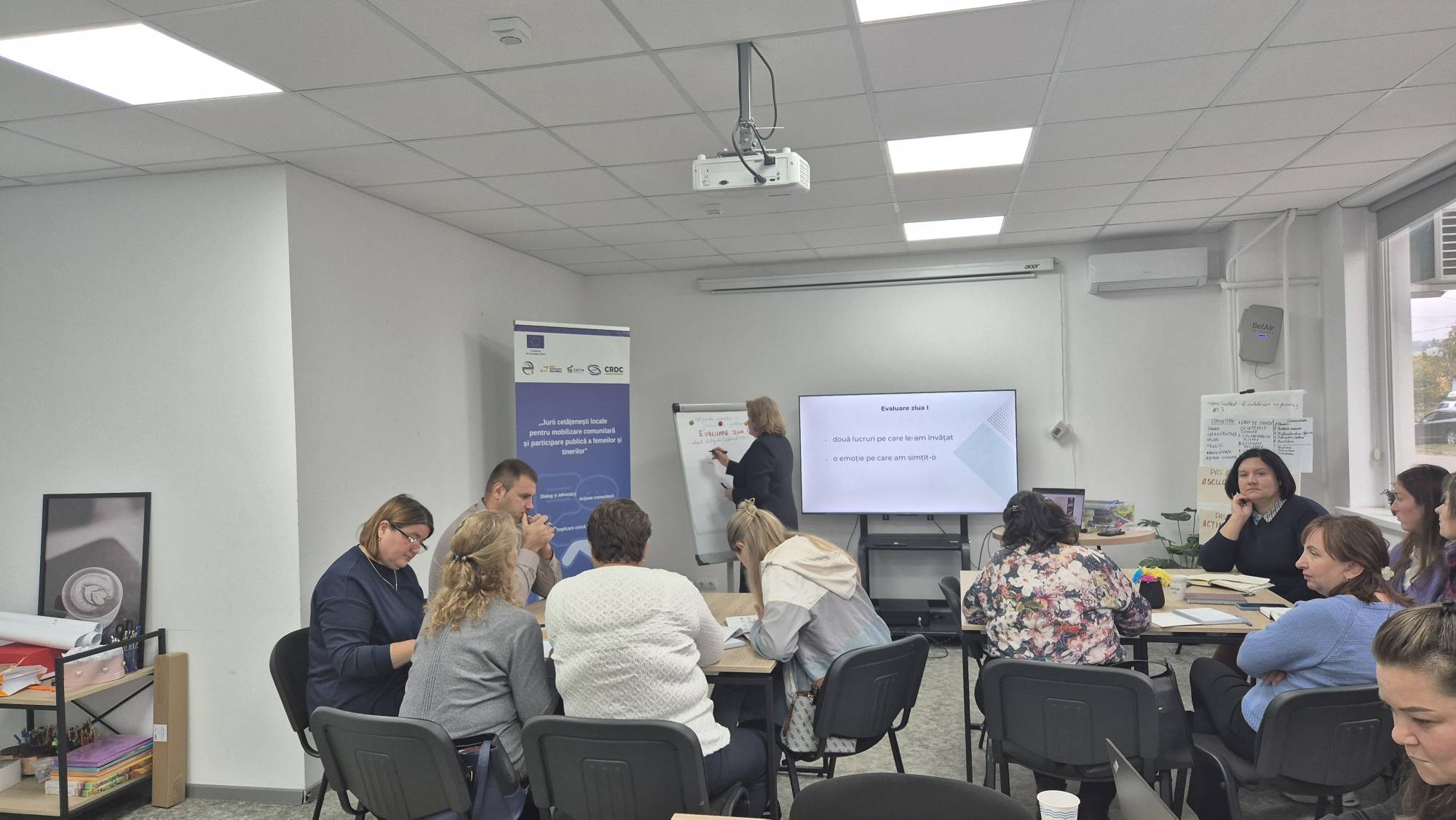
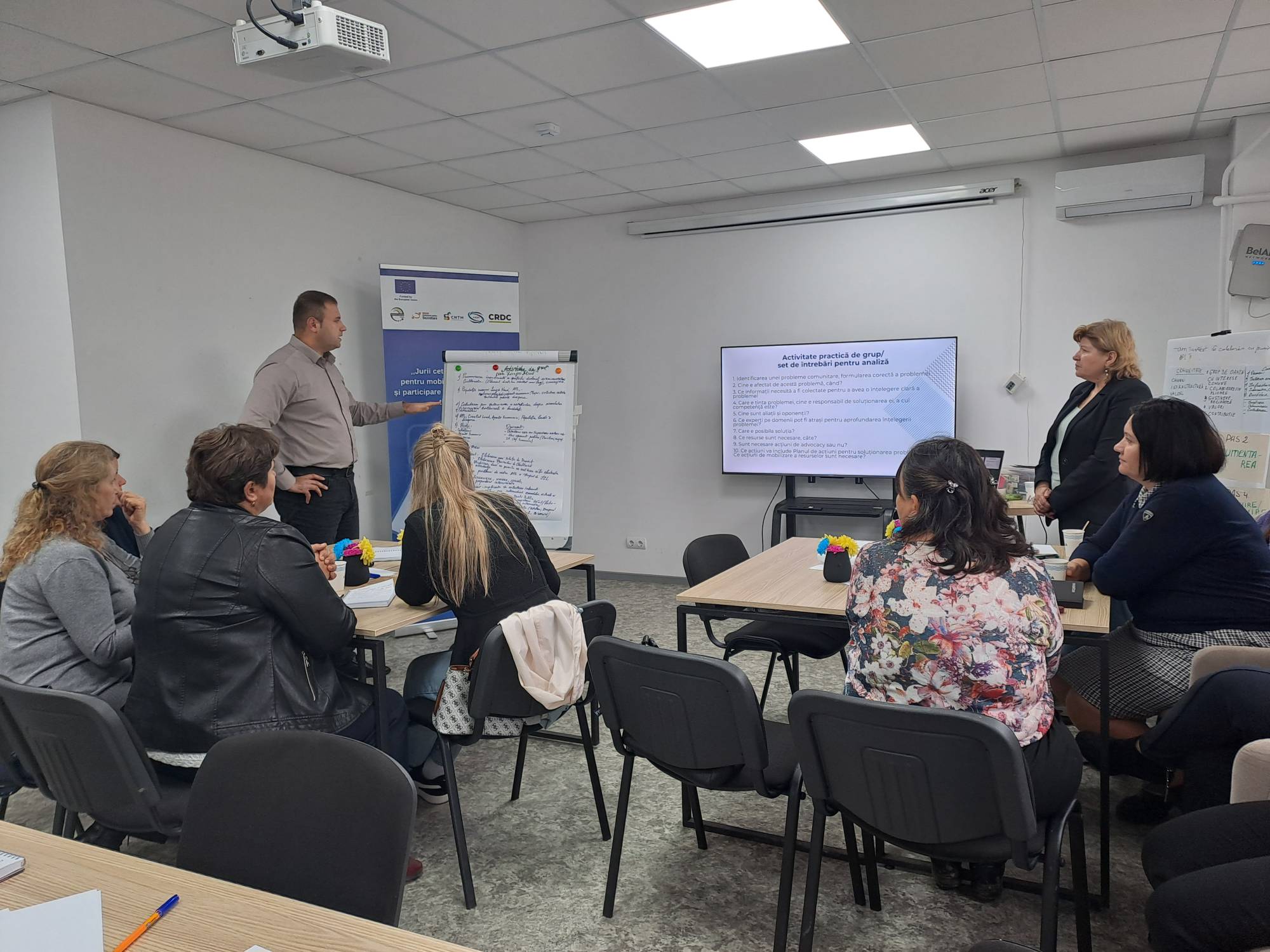
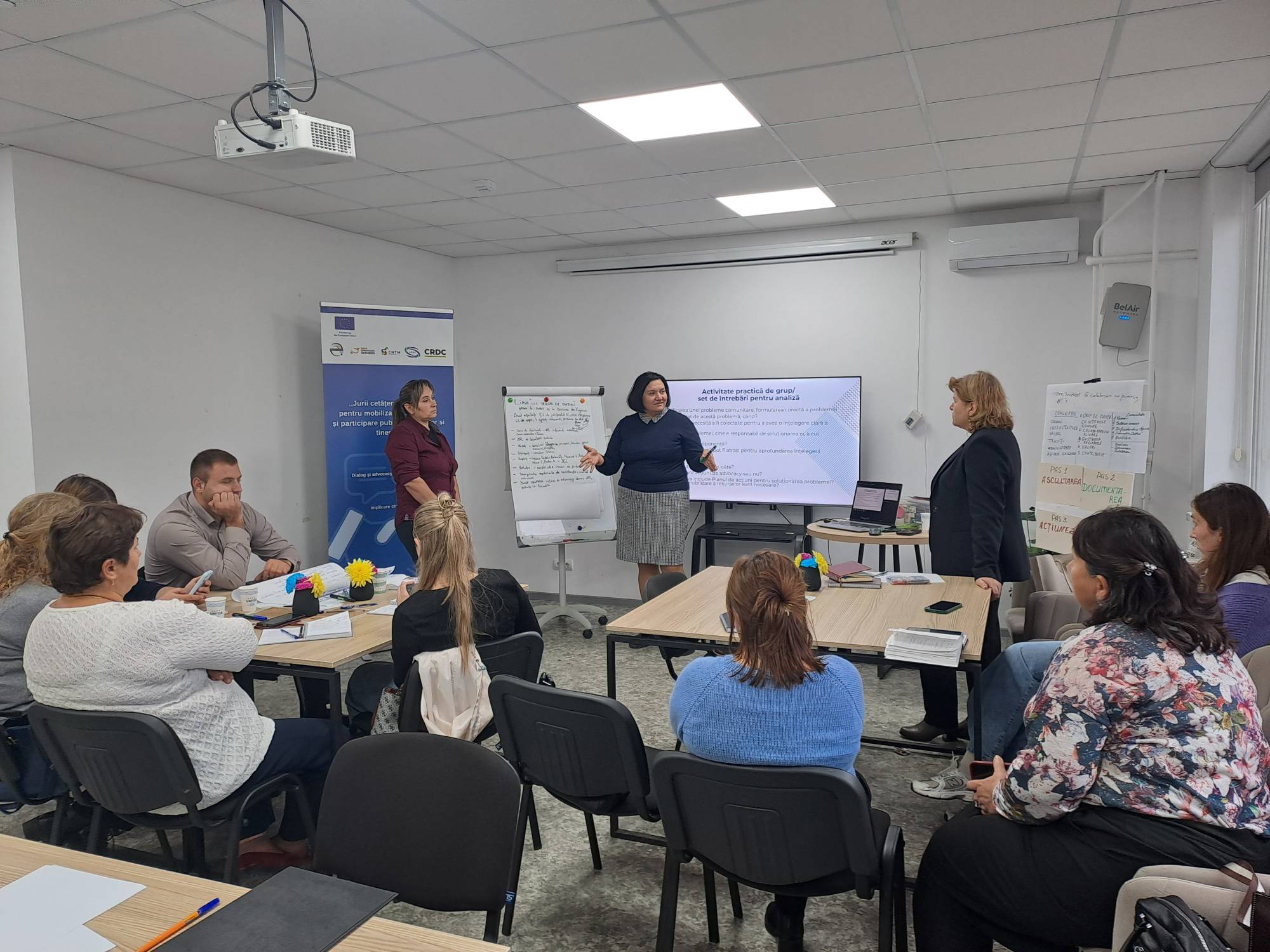
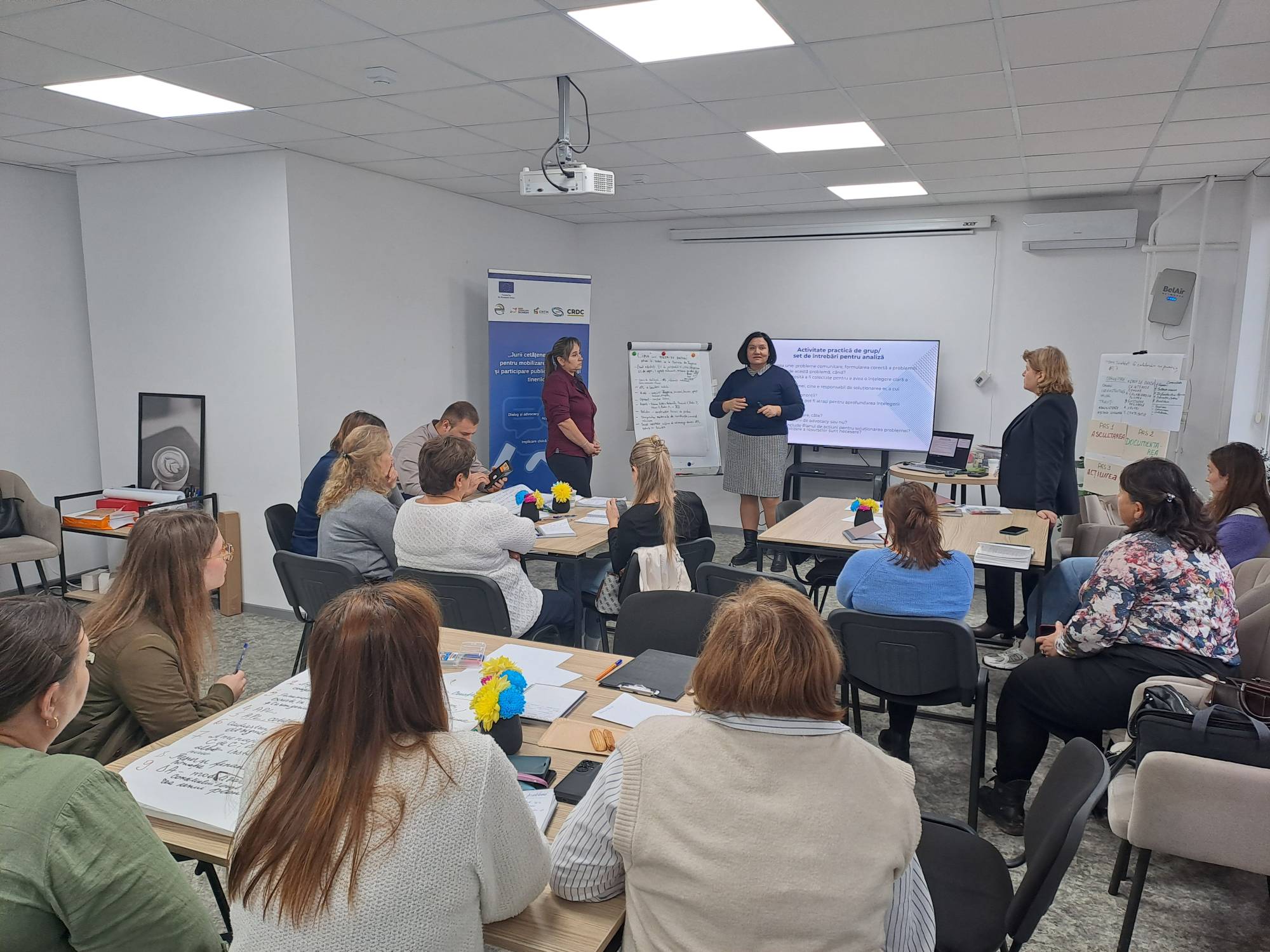
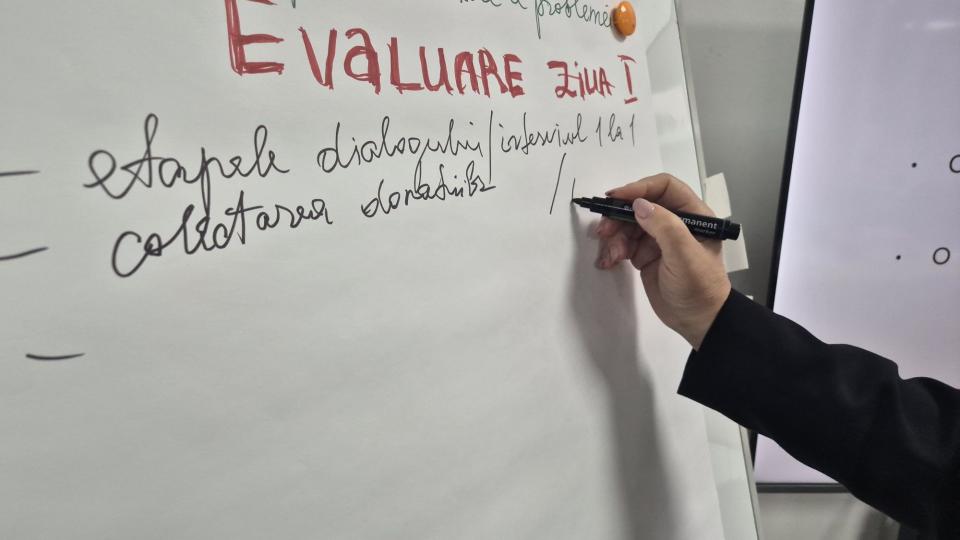
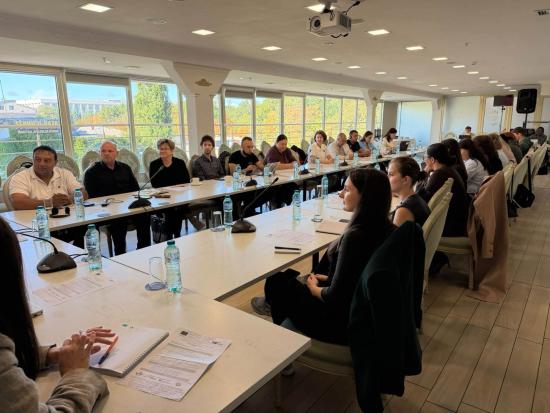
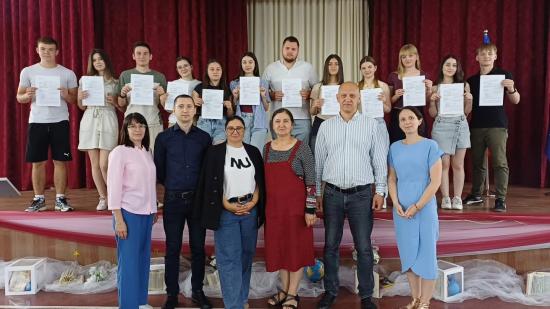
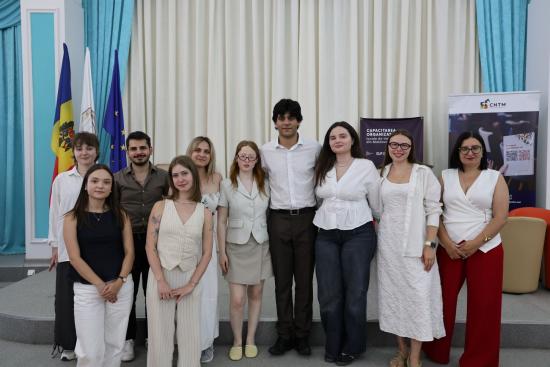
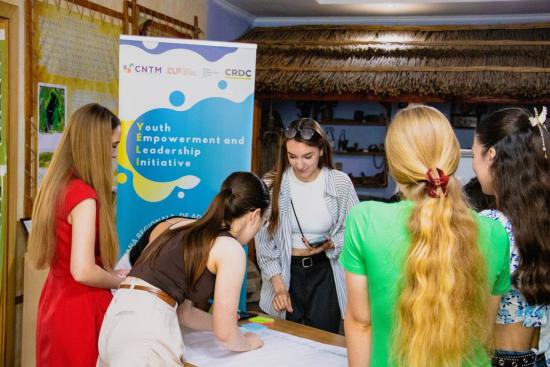
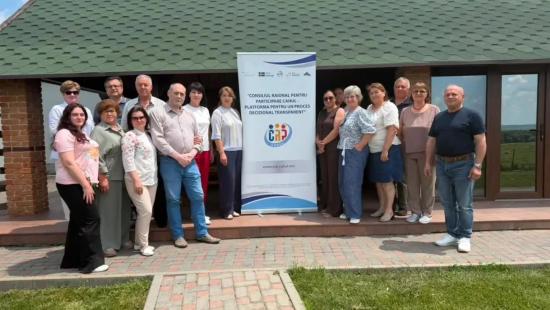
On 17–18 October 2026, the Regional Community Development Center (CRDC) organised a training course at the Cahul Community Center, focusing on community mobilisation and the public participation of women and young people. The event brought together representatives of community teams from Larga Nouă and Roșu in Cahul District and Lingura in Cantemir District, three communities selected under the project "Local Citizens' Juries for Community Mobilisation and Public Participation of Women and Youth".
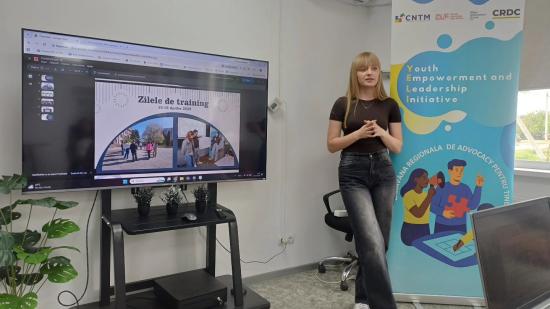
The training, facilitated by Silvia Strelciuc, a national expert in community organising, aimed to strengthen participants' capacities to identify local problems, mobilise residents and collaborate with public authorities to identify and advocate for solutions.
Over the two days, participants explored the community organising process, structured around four essential stages: listening to the community, researching solutions, taking action and building a sustainable community structure.
Particular attention was given to the listening process, which enables community members to express their needs, concerns and priorities. Participants learned how to conduct door-to-door interviews, collect information, engage volunteers and facilitate the prioritisation of identified problems.
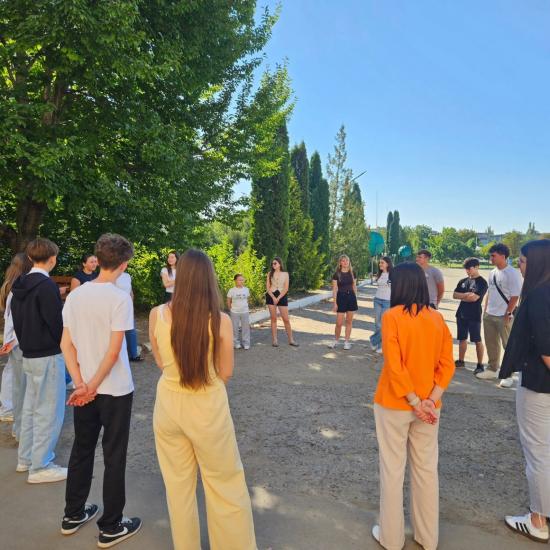
Through practical exercises and role-playing activities, the teams simulated conversations with residents and explored ways to encourage participation, including among people whose voices are less represented in local decision-making processes.
An important component of the training was applying the knowledge gained to the realities of the three participating communities.
Working in teams, representatives from Larga Nouă, Roșu and Lingura analysed community problems affecting the lives of women and young people, discussed their underlying causes, identified relevant stakeholders and explored potential solutions.
Participants practised developing intervention plans, defining concrete actions, assigning responsibilities and identifying the resources required. They also discussed advocacy tools that can be used to promote community interests and establish effective dialogue with decision-makers.
A central topic of the training was the role of Local Citizens' Juries (LCJs) as community participation structures through which residents can engage in an organised manner in identifying problems, developing solutions and advocating for them in dialogue with public authorities.
Participants discussed the stages involved in establishing the juries, identifying local leaders, recruiting members, setting operational rules and sustaining community engagement over the long term.
One of the project's key objectives is to strengthen the participation of women and young people in local decision-making processes, ensuring that their perspectives and needs are reflected in community priorities and initiatives.
The training represents a preparatory stage for the practical activities to be carried out in the three partner communities.
In the coming period, the community teams will continue their local mobilisation efforts by identifying residents interested in becoming involved, organising discussions with community members and establishing Local Citizens' Juries.
Subsequently, each community will go through the process of prioritising and researching local problems, developing action plans and advocating for identified solutions, including through dialogue and local advocacy initiatives.
Through this process, CRDC aims to contribute to the development of accessible, inclusive and sustainable mechanisms for public participation, enabling women and young people not only to express their views but also to gain the tools needed to actively contribute to positive change in their communities.
This material was produced by the Regional Community Development Center with the support of the East Europe Foundation, in partnership with the National Youth Council of Moldova, the Partnership for Development Center and the Non-Commercial Organisation Regional Development Agency of Tiraspol, with funding provided by the European Union. The views expressed are those of the authors and do not necessarily reflect the views of the East Europe Foundation, the National Youth Council of Moldova, the Partnership for Development Center, the Non-Commercial Organisation Regional Development Agency of Tiraspol or the European Union.