Русский
  Română


In an information environment where news, images, opinions and messages circulate at an increasingly rapid pace, the ability to pause for a few seconds and ask ourselves “Where does this information come from?”, “Who is sharing it?” and “How can I check whether it is true?” is becoming an essential skill.
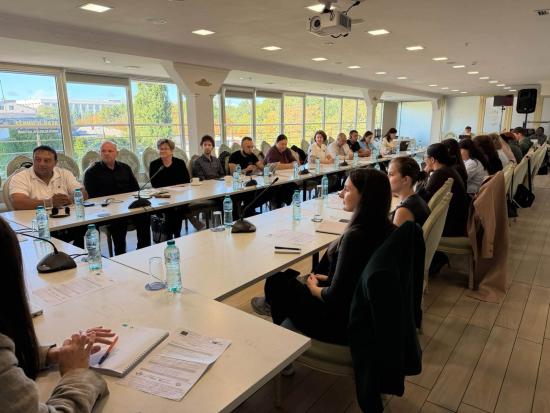
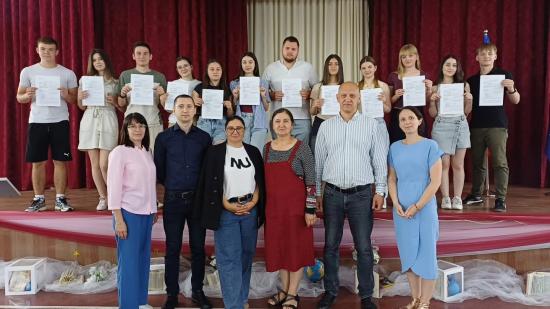
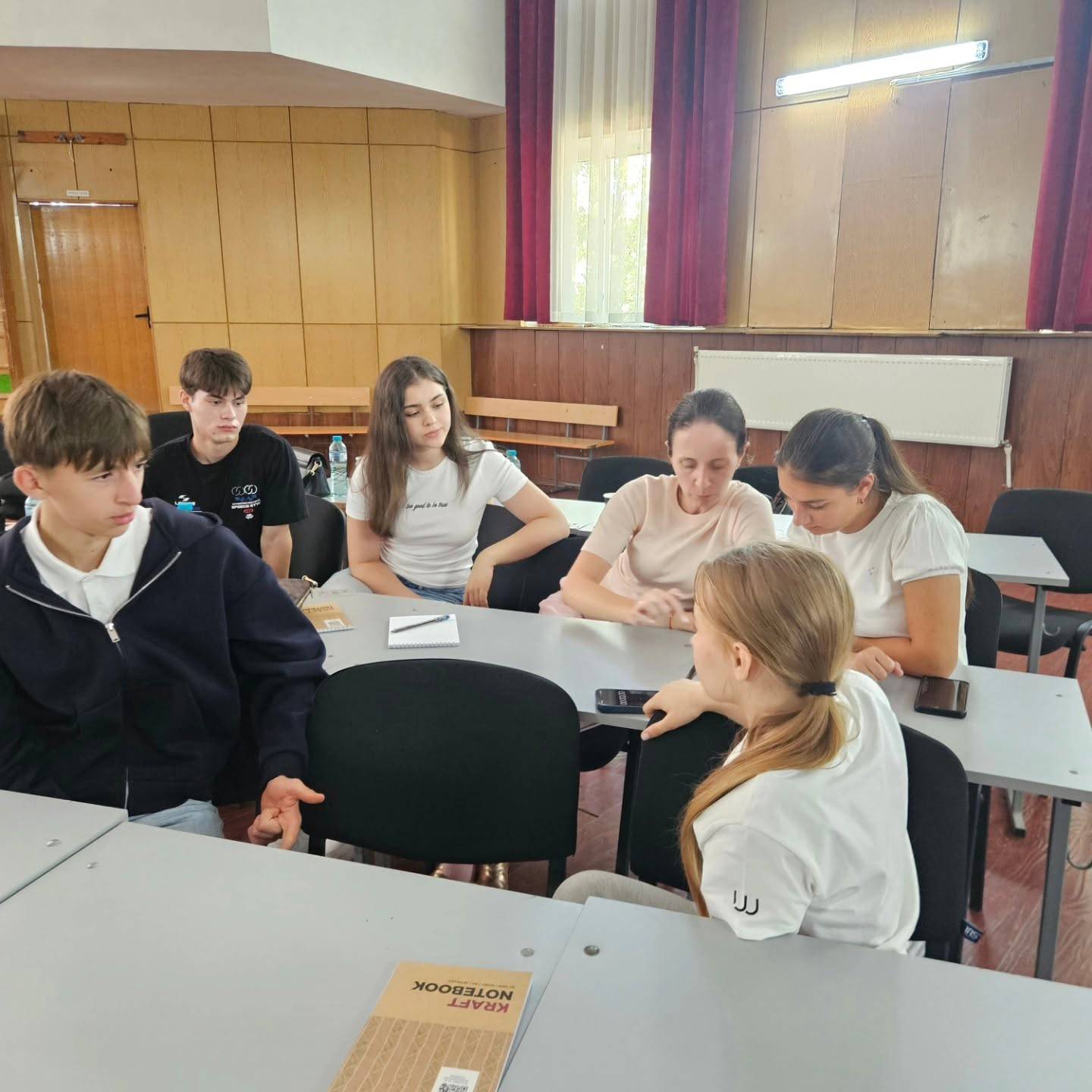
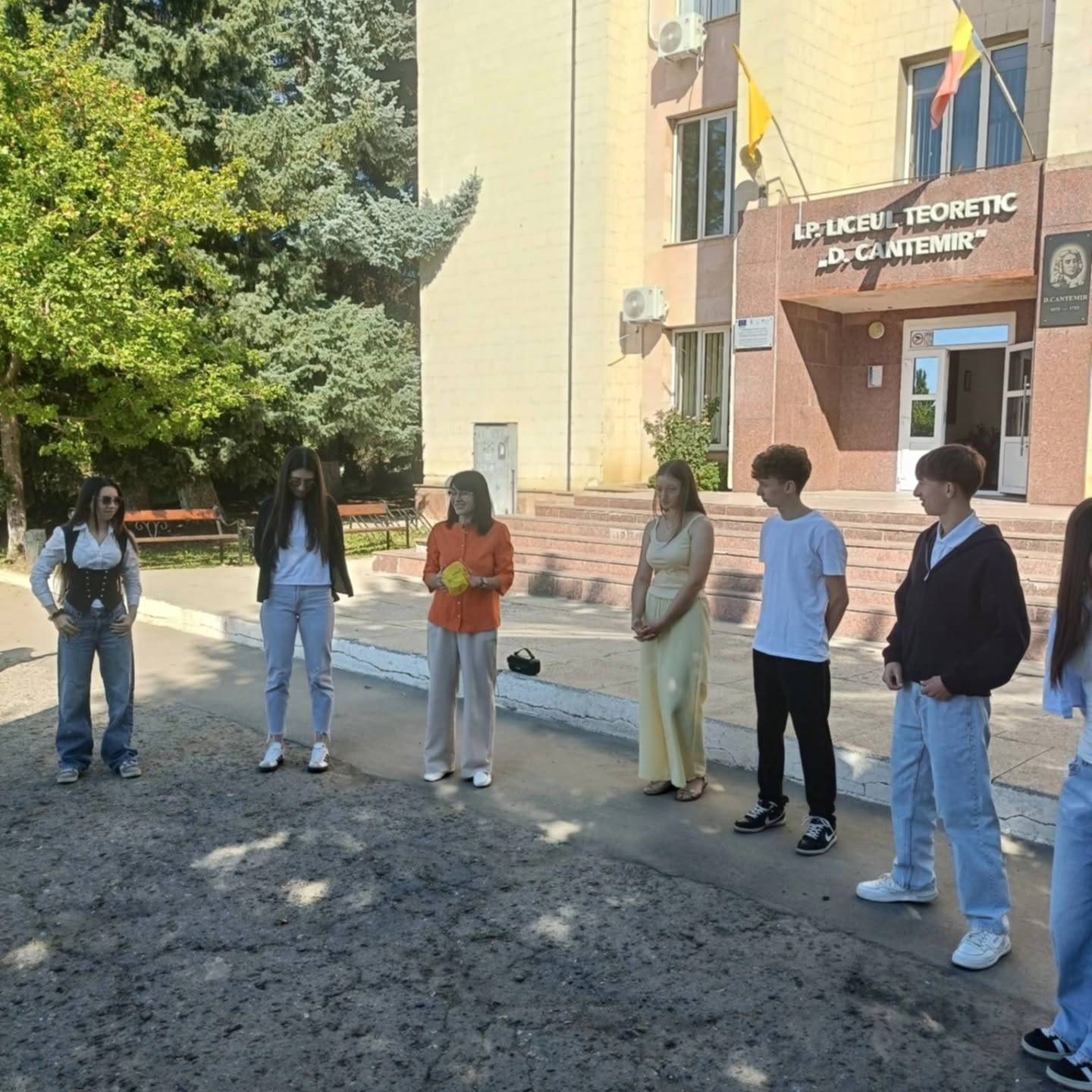
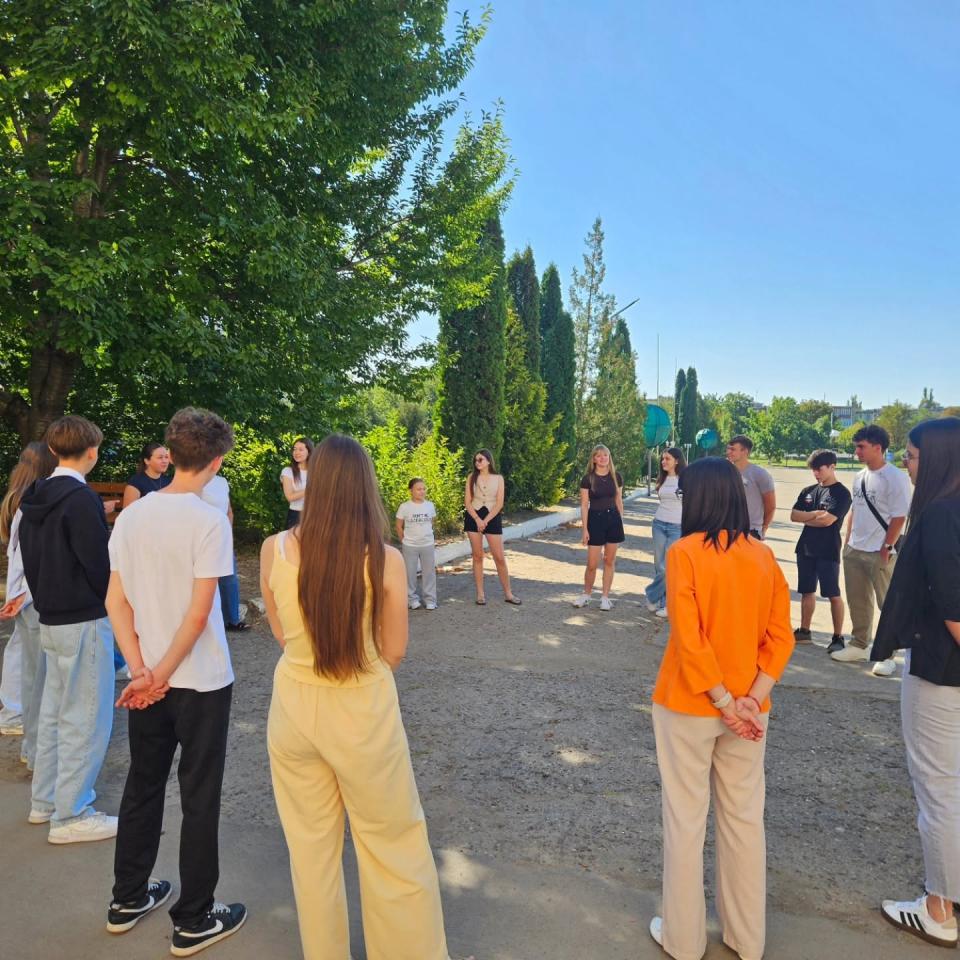
Building on this idea, on 15 August 2026, A.O. Centrul Regional de Dezvoltare Comunitară delivered the training “Strengthening Media and Digital Literacy Skills, Developing Critical Thinking and Countering Disinformation among Young People” at D. Cantemir Theoretical Lyceum.
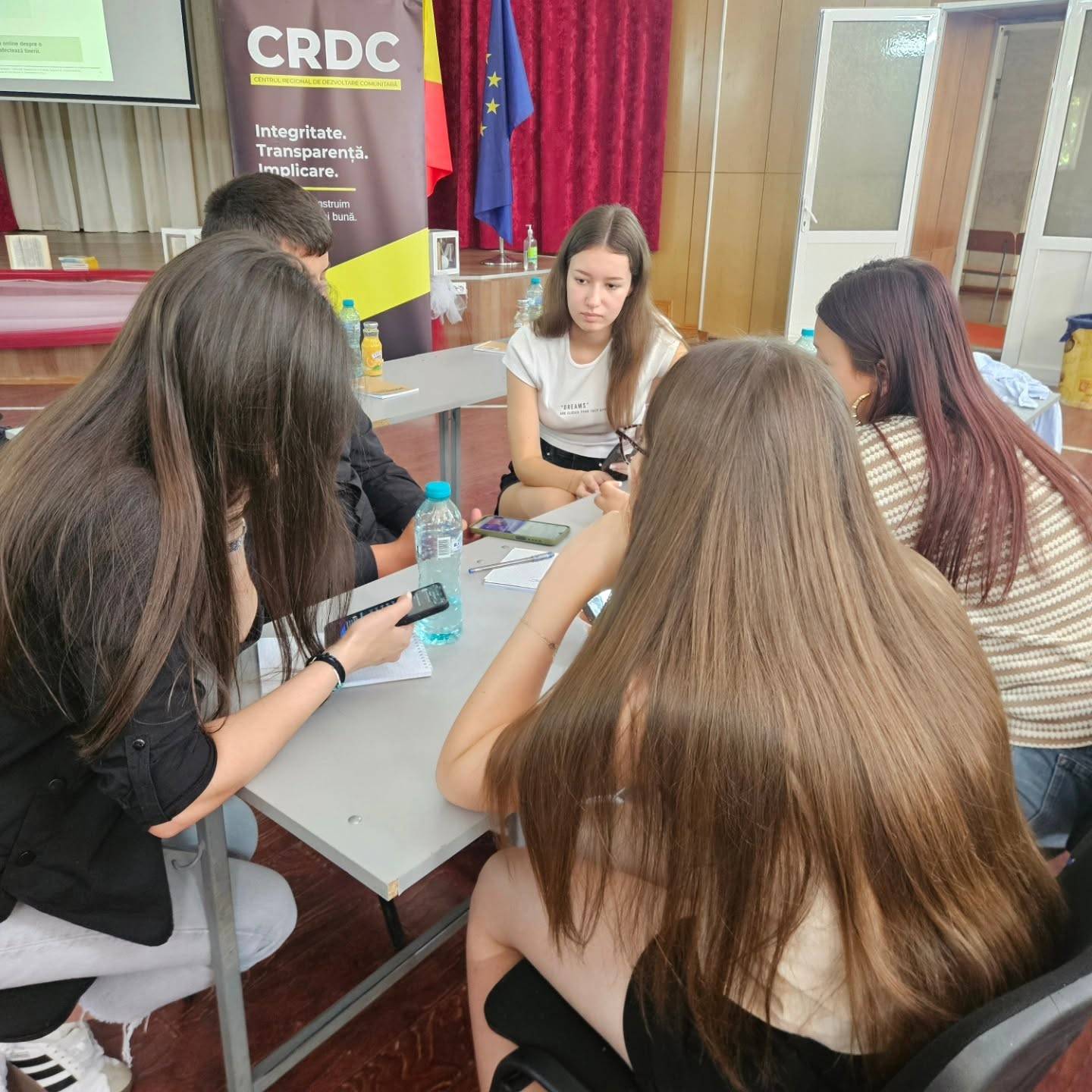
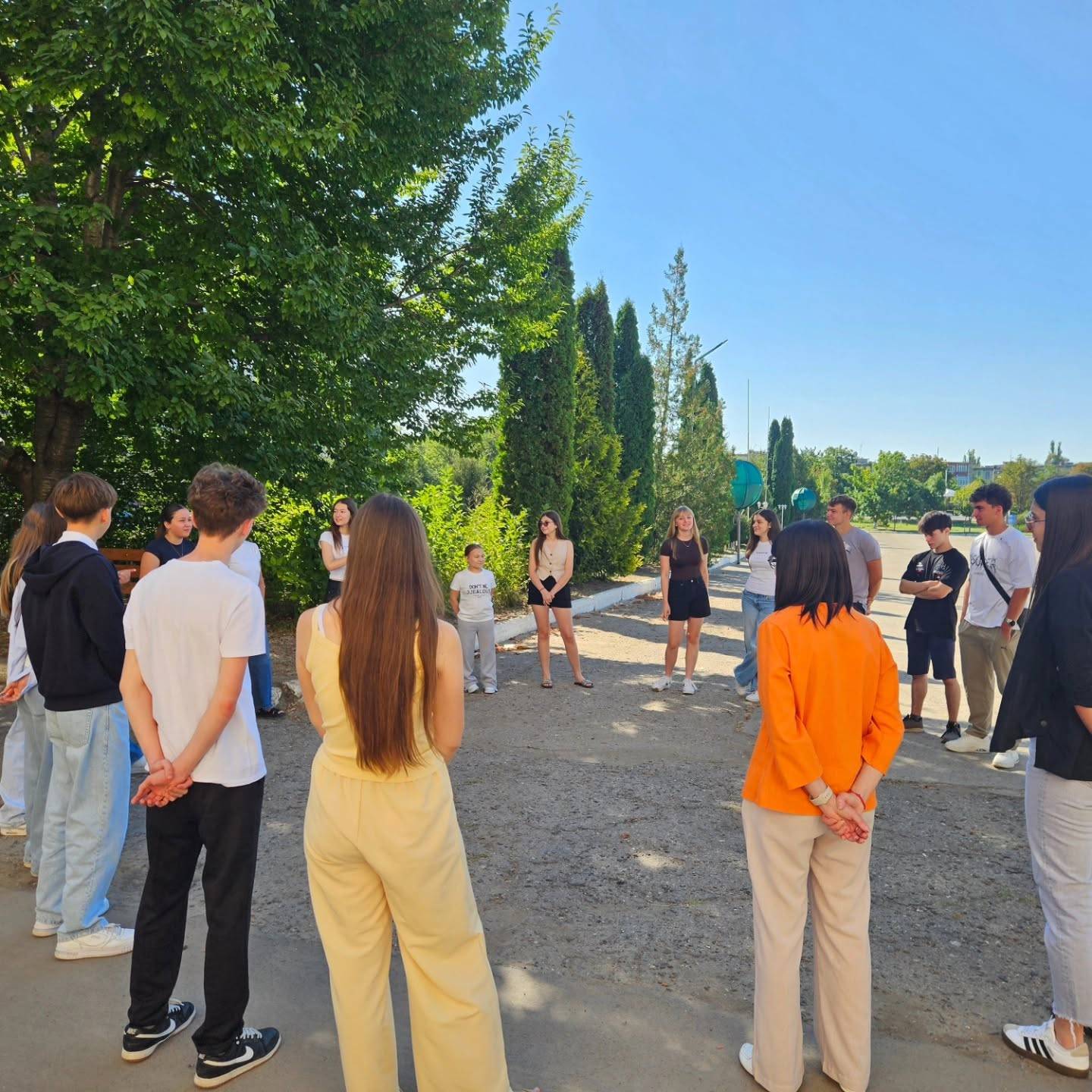
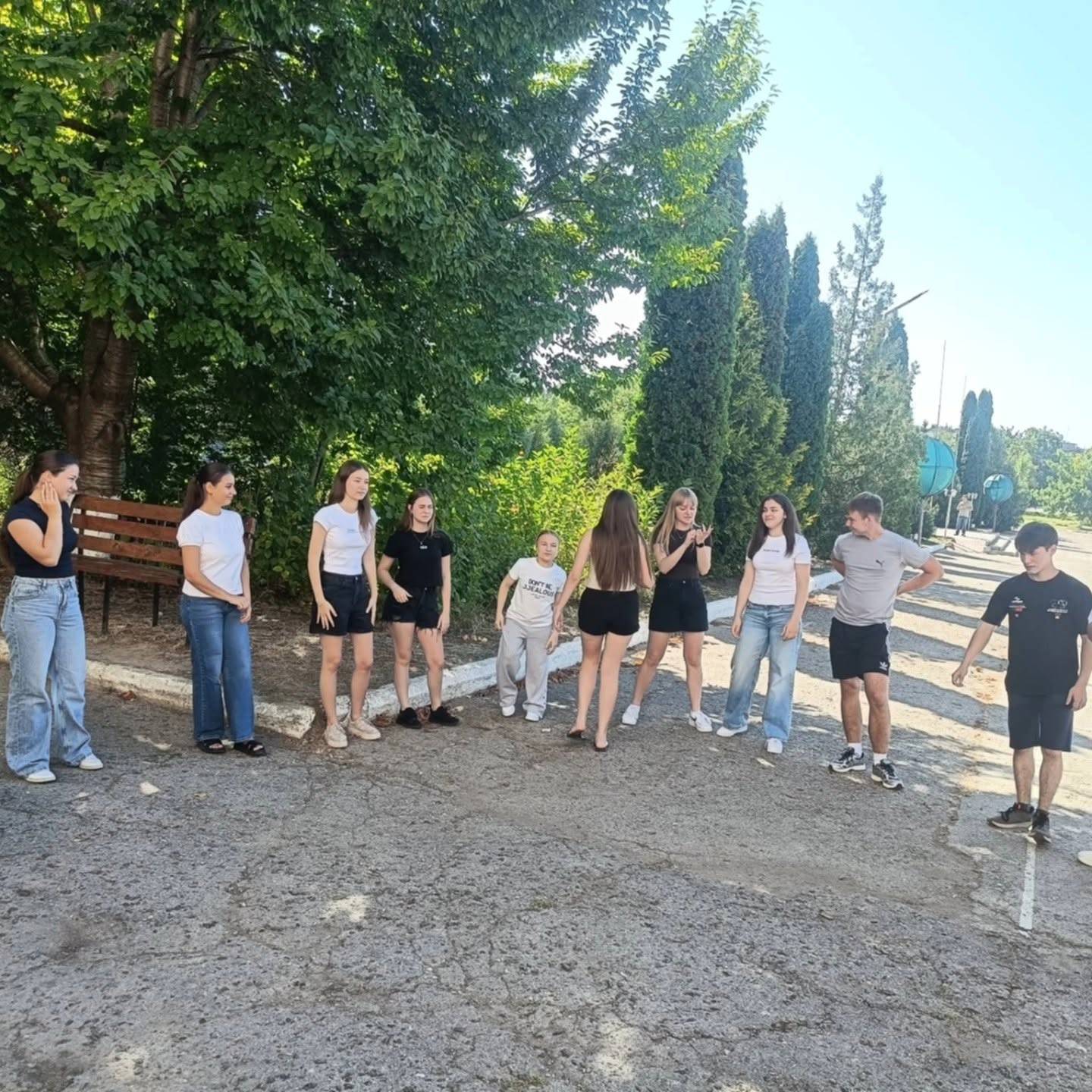
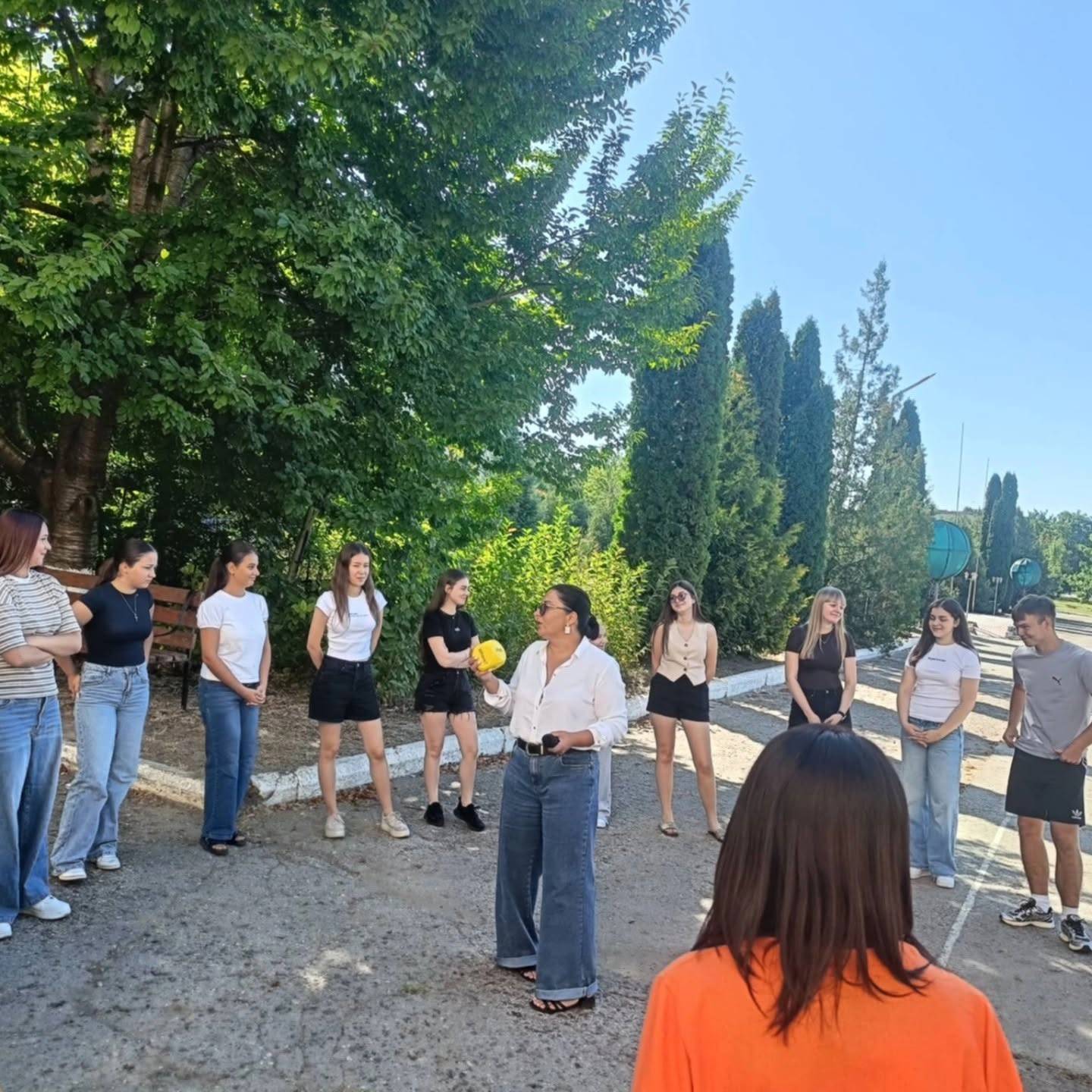
The activity brought together young people aged 16–18 from Cantemir and rural communities across the district, providing them with a space to openly discuss how they consume information, what they encounter every day on social media, and the responsibility each of us has when deciding whether to believe or share certain content.
Throughout the training, the focus was not only on gaining theoretical knowledge, but especially on developing practical skills for analysing and verifying information.
The young participants discussed how information can change when it is passed from one person to another and how the same phenomenon occurs on a much larger scale in the online environment. Rumours, incomplete information, exaggerated headlines, images taken out of context or messages designed to trigger an emotional reaction can quickly reach thousands of people.
An important part of the training was dedicated to understanding information disorder and the differences between false information shared without the intention to mislead, disinformation deliberately created or disseminated, and genuine information used in a manipulative context.
The discussions were based on situations familiar to young people from their everyday lives: content encountered on Facebook, TikTok, Telegram, online platforms or communication groups.
Another topic addressed during the training was the relationship between emotions and disinformation.
Fear, anger, outrage, a sense of urgency or the impression that “everyone is talking about it” can cause people to react before verifying the information. Participants explored how certain messages are deliberately designed to trigger such reactions and discussed the warning signs that should encourage us to be more cautious.
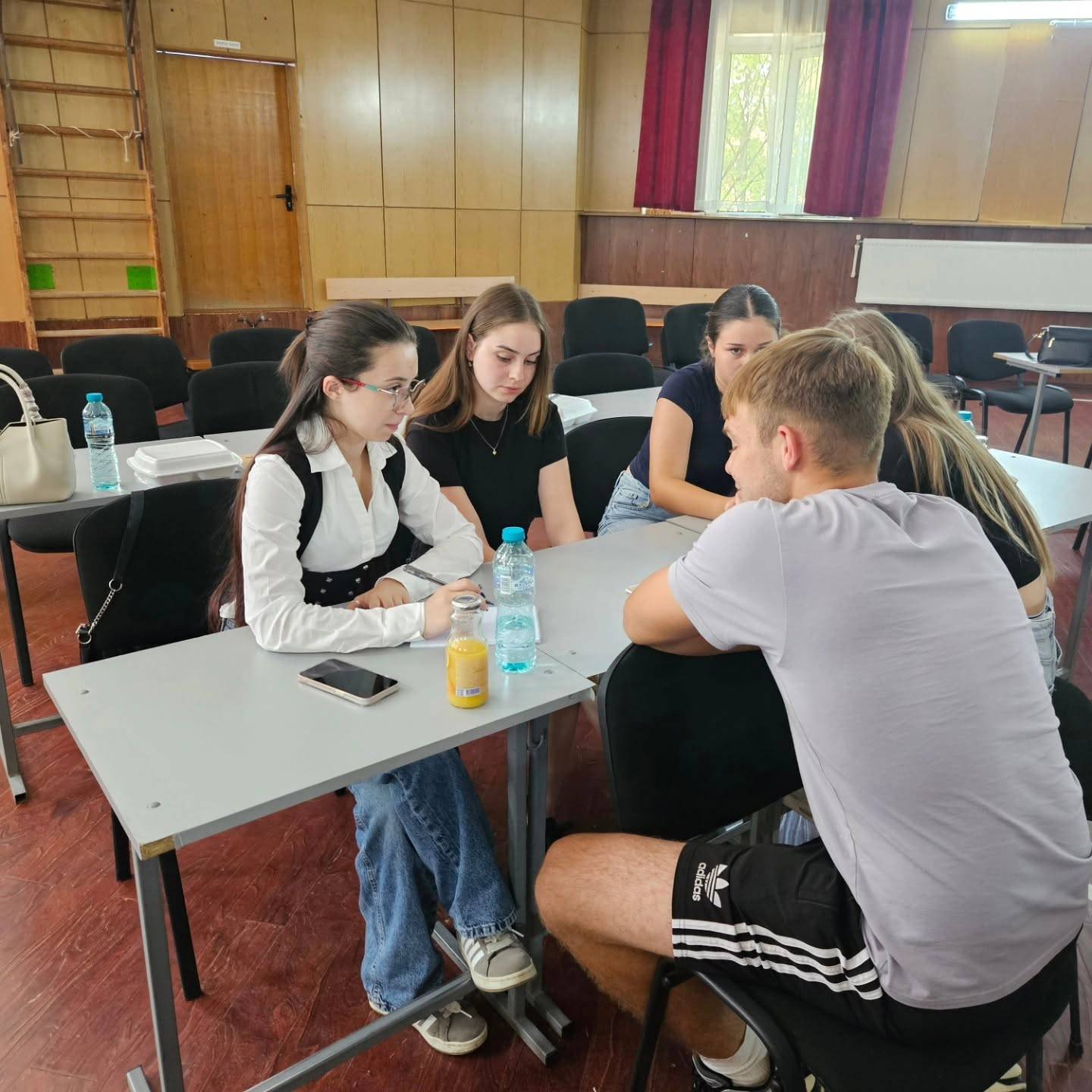
Through interactive exercises and group work, young people analysed examples of media content, identified the sources of messages, missing information, the emotions being triggered and the elements requiring further verification.
One important message of the day was that the popularity of a post is not proof that it is true, just as an image or video does not automatically confirm the information being presented.
Participants also discussed simple methods they can use when encountering questionable information: checking the source and author, searching for the same information in other sources, verifying the date and context in which it was published, and carefully examining any accompanying images or videos.
The central message shared with the young participants was simple:
STOP – VERIFY – COMPARE – DECIDE.
Before sharing information, we can take a few minutes to verify it. In a digital environment where every user can also become a distributor of information, individual responsibility is becoming increasingly important.
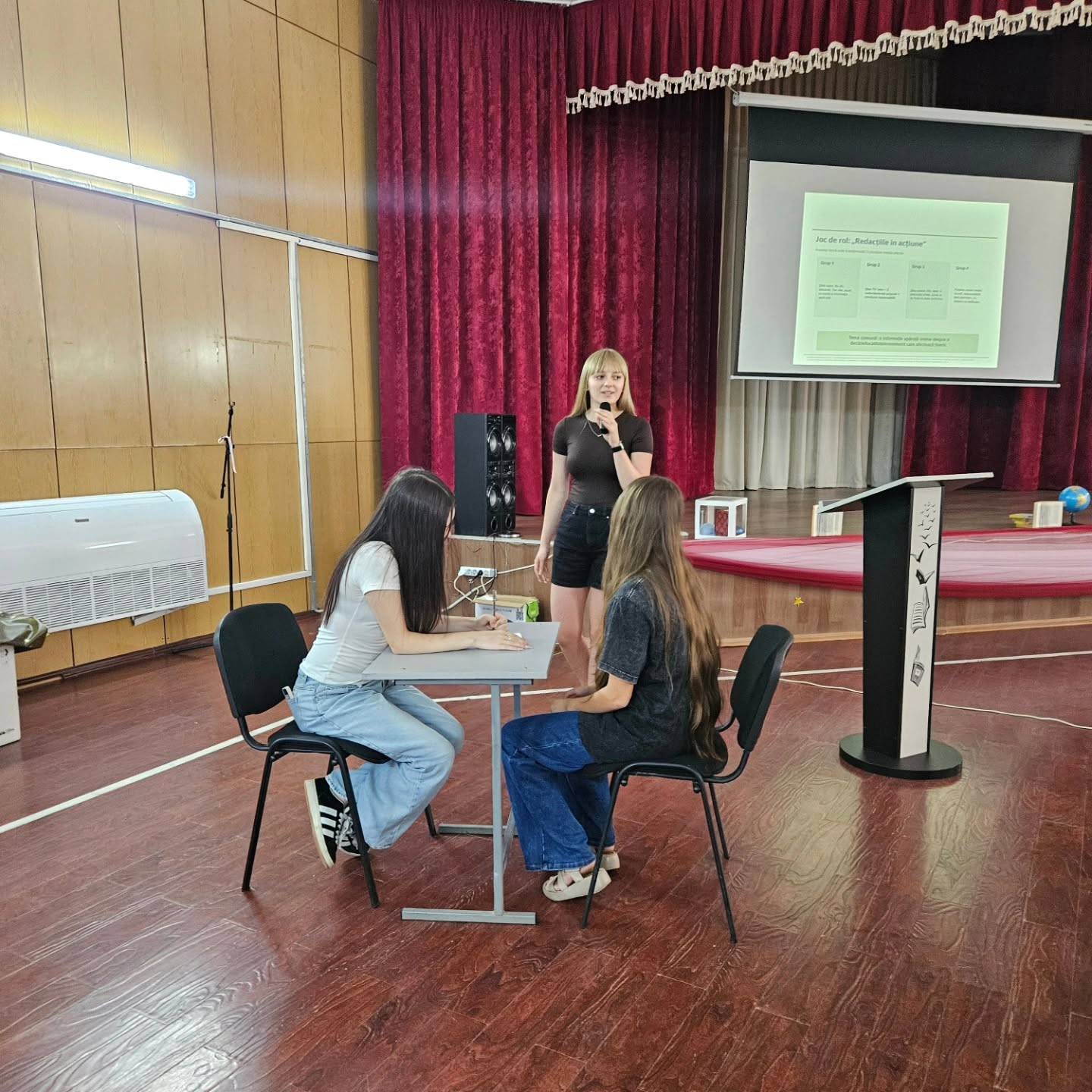
The training was designed in a participatory format, combining guided discussions with the analysis of real-life situations, practical exercises, teamwork and simulations.
The young participants also explored how the same information can be presented differently depending on the communication channel – television, radio, online media or social media – and how the format, headline, image or selection of particular information can influence public perception.
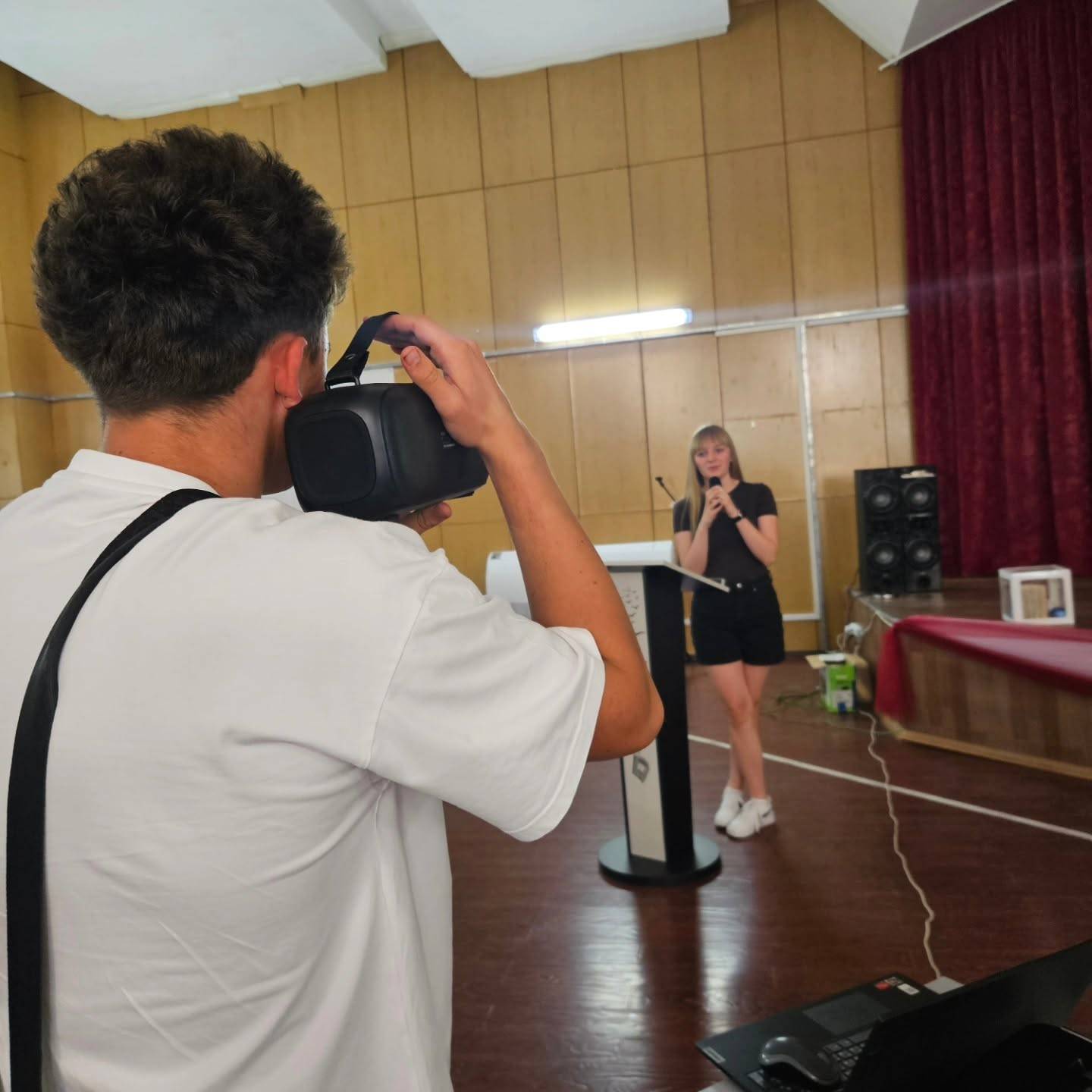
During the practical part of the training, participants had the opportunity to look at information from the perspective of those who produce it, work in teams and reflect on the responsibility we have towards the public when creating and communicating a message.
The activity included both an initial and a final assessment in order to observe changes in participants’ understanding of the topics discussed. The responses collected at the end of the training indicated a better understanding of the concept of disinformation and greater confidence in participants’ ability to verify sources, compare information and identify elements that may indicate manipulative content.
Beyond the results themselves, we were pleased to see a group of curious and engaged young people who were ready to ask questions and critically reflect on their own information consumption habits.
Media literacy is not only about being able to recognise fake news. It means better understanding how the information environment works, paying attention to sources, distinguishing between facts and opinions, recognising our own emotional reactions, and making informed decisions before passing a message on to others.
These skills are particularly important for young people, as a significant part of the way they access information and communicate today takes place in the digital environment.
We thank the National Youth Council of Moldova for the trust placed in A.O. Centrul Regional de Dezvoltare Comunitară and for its continued efforts to promote media literacy and critical thinking among young people, including those in the Cantemir region.
We also extend our thanks to D. Cantemir Theoretical Lyceum for hosting the activity, for its openness and support in organising the training, and for its commitment to creating learning and development opportunities for young people.
The activity was carried out by A.O. Centrul Regional de Dezvoltare Comunitară within the project “Young People from Rural Moldova – Informed, Empowered and Engaged, Phase II”, implemented by the National Youth Council of Moldova in partnership with Democracy in Europe Organisation (DEO), with financial support from Civil Society in Development (CISU).