Русский
 Română


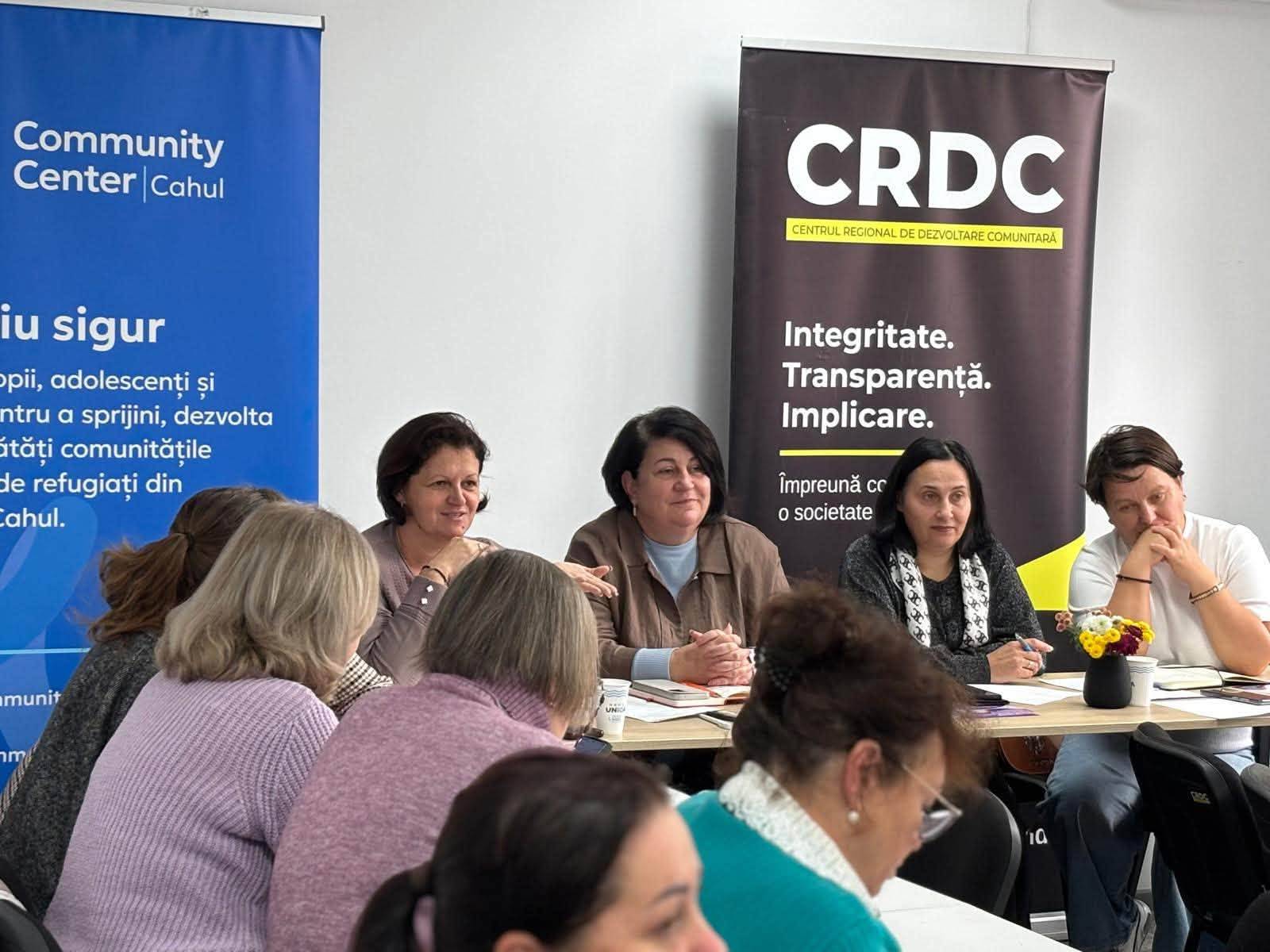
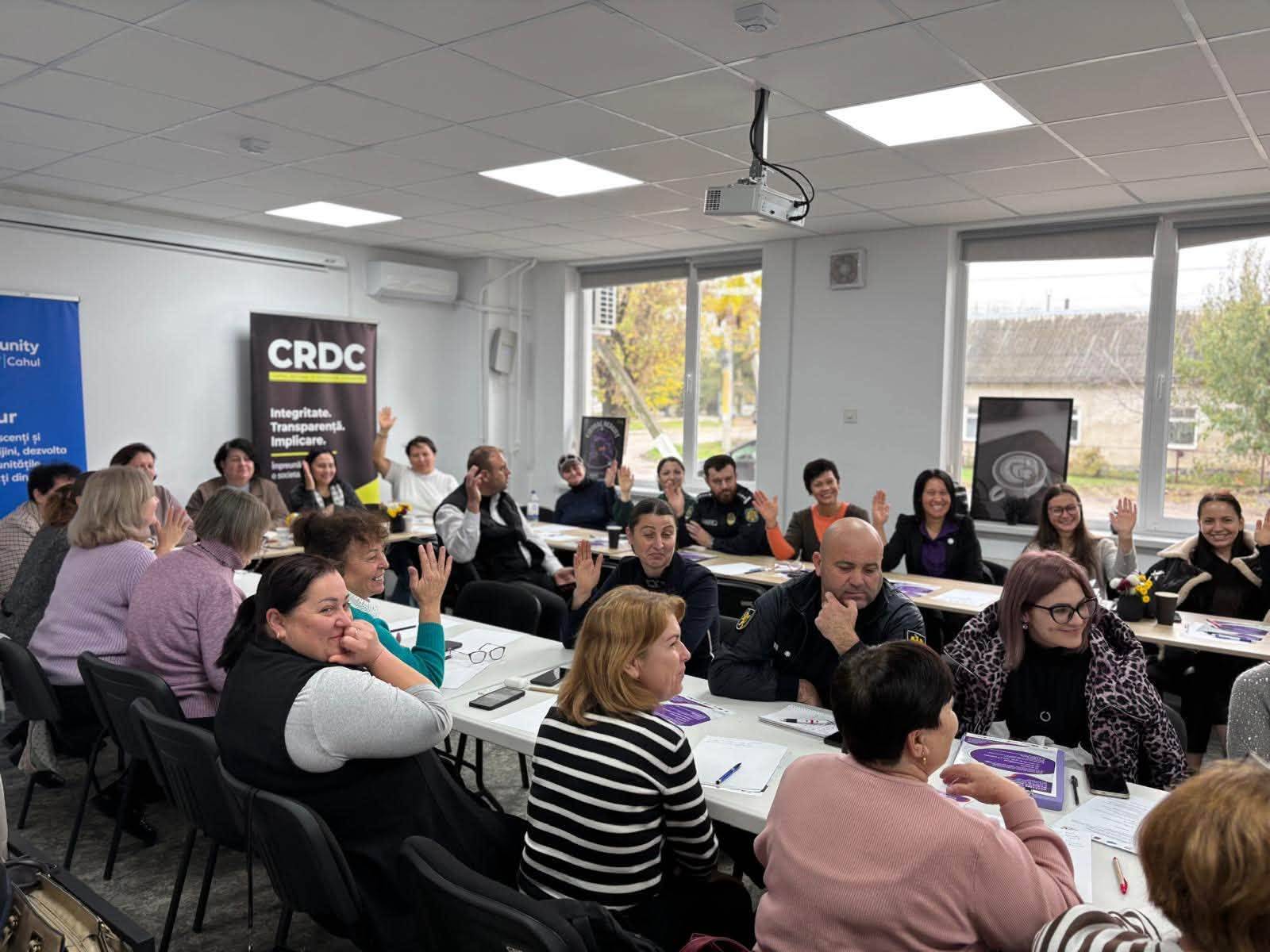
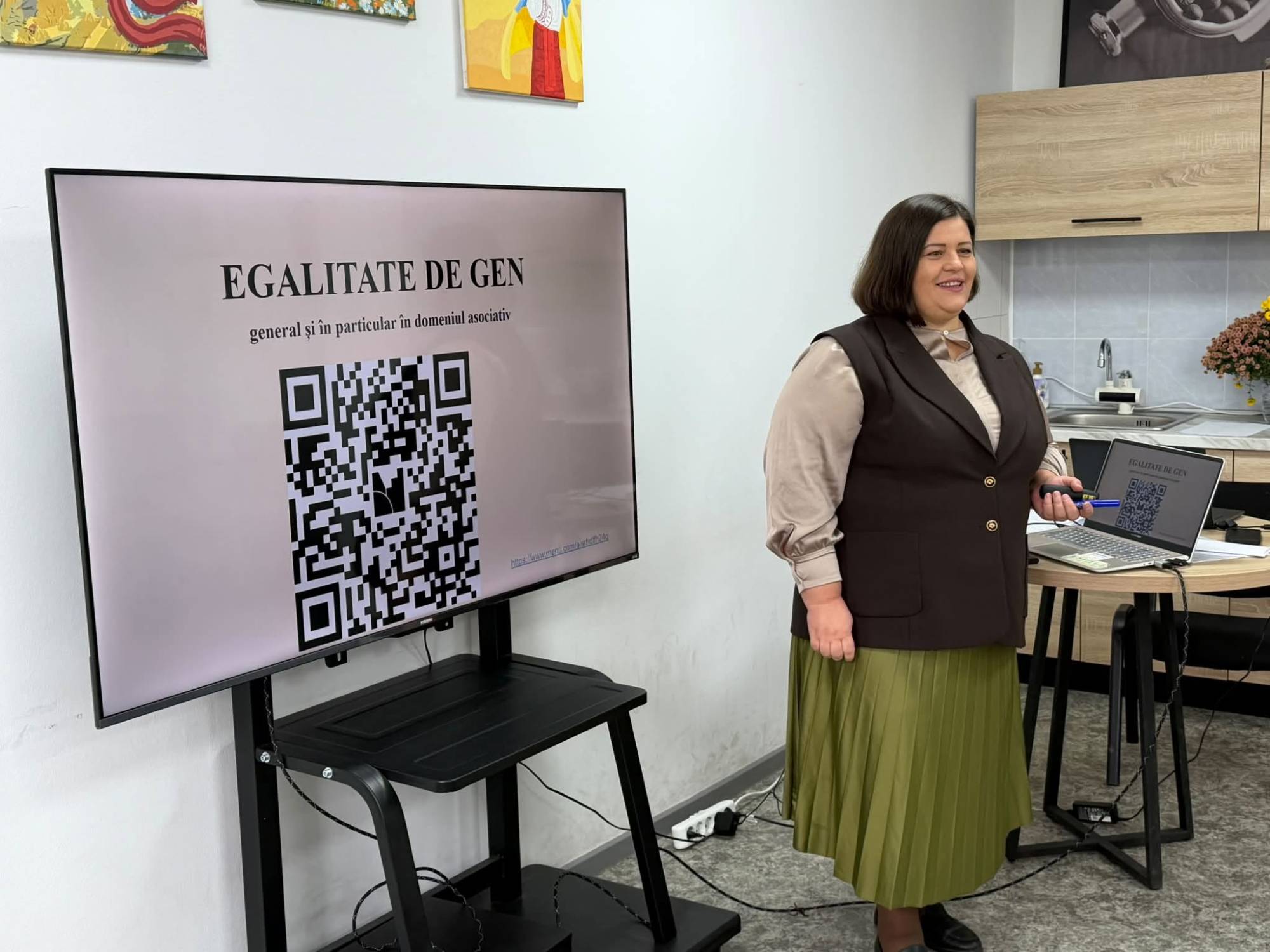
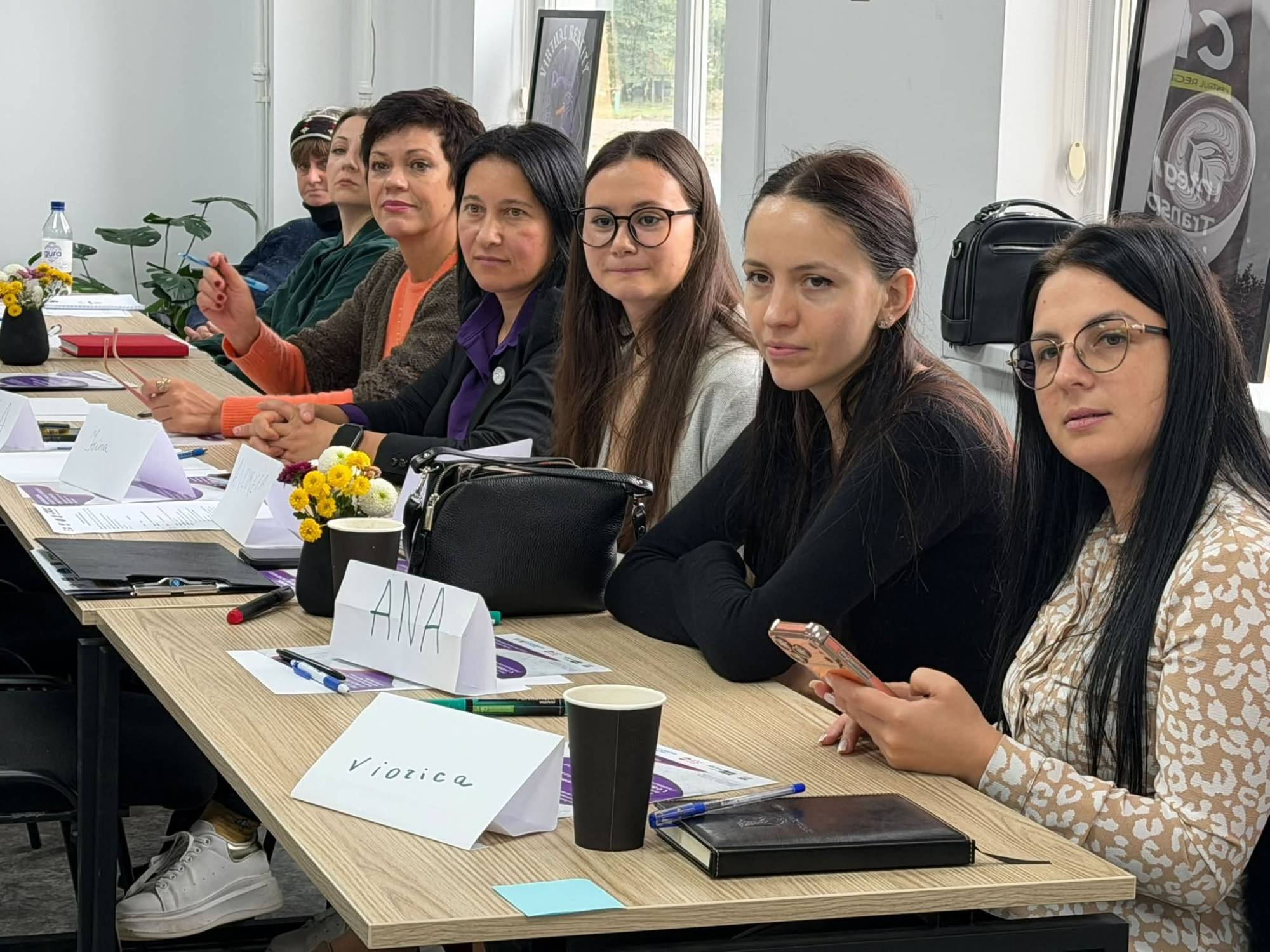
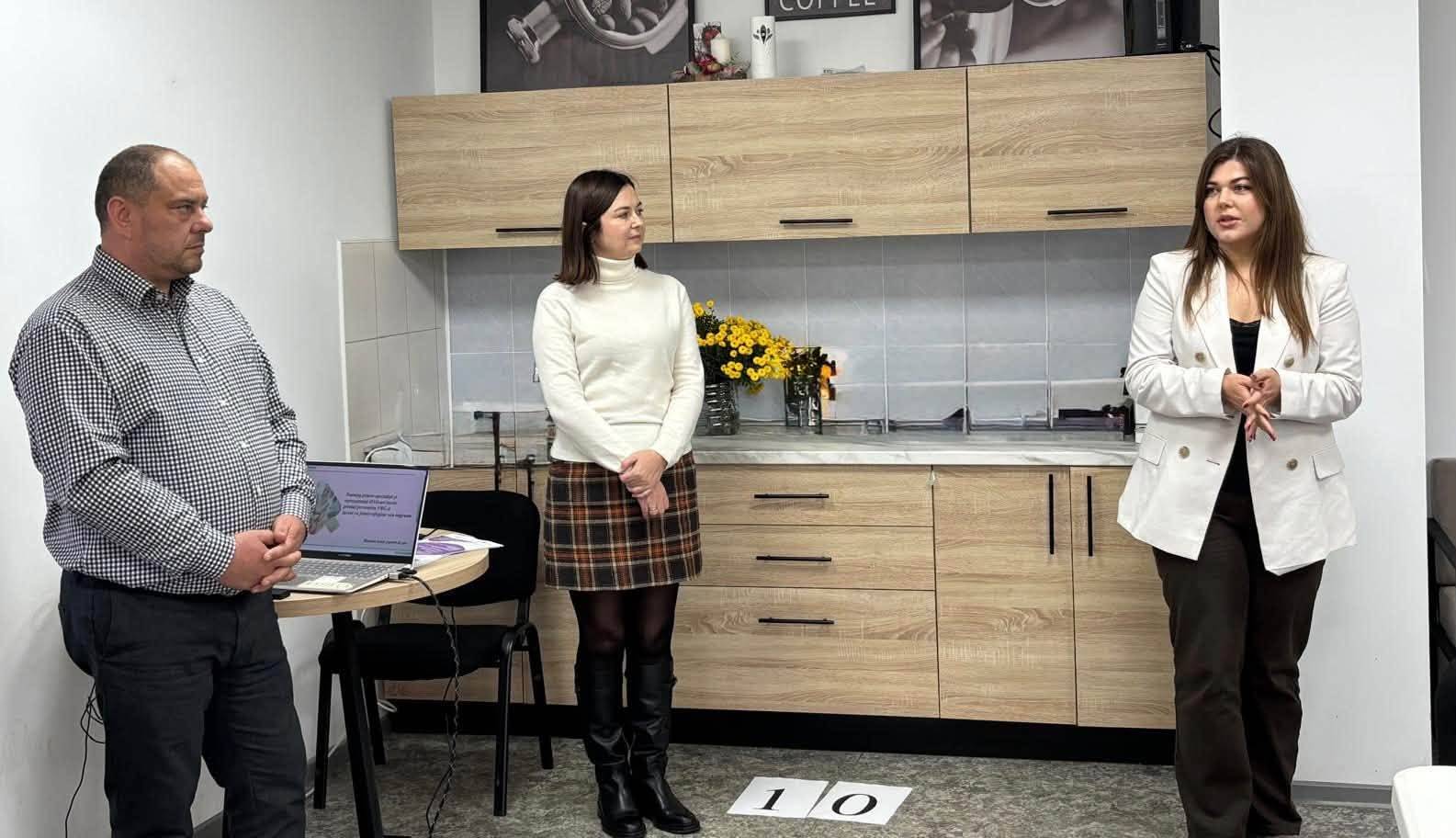
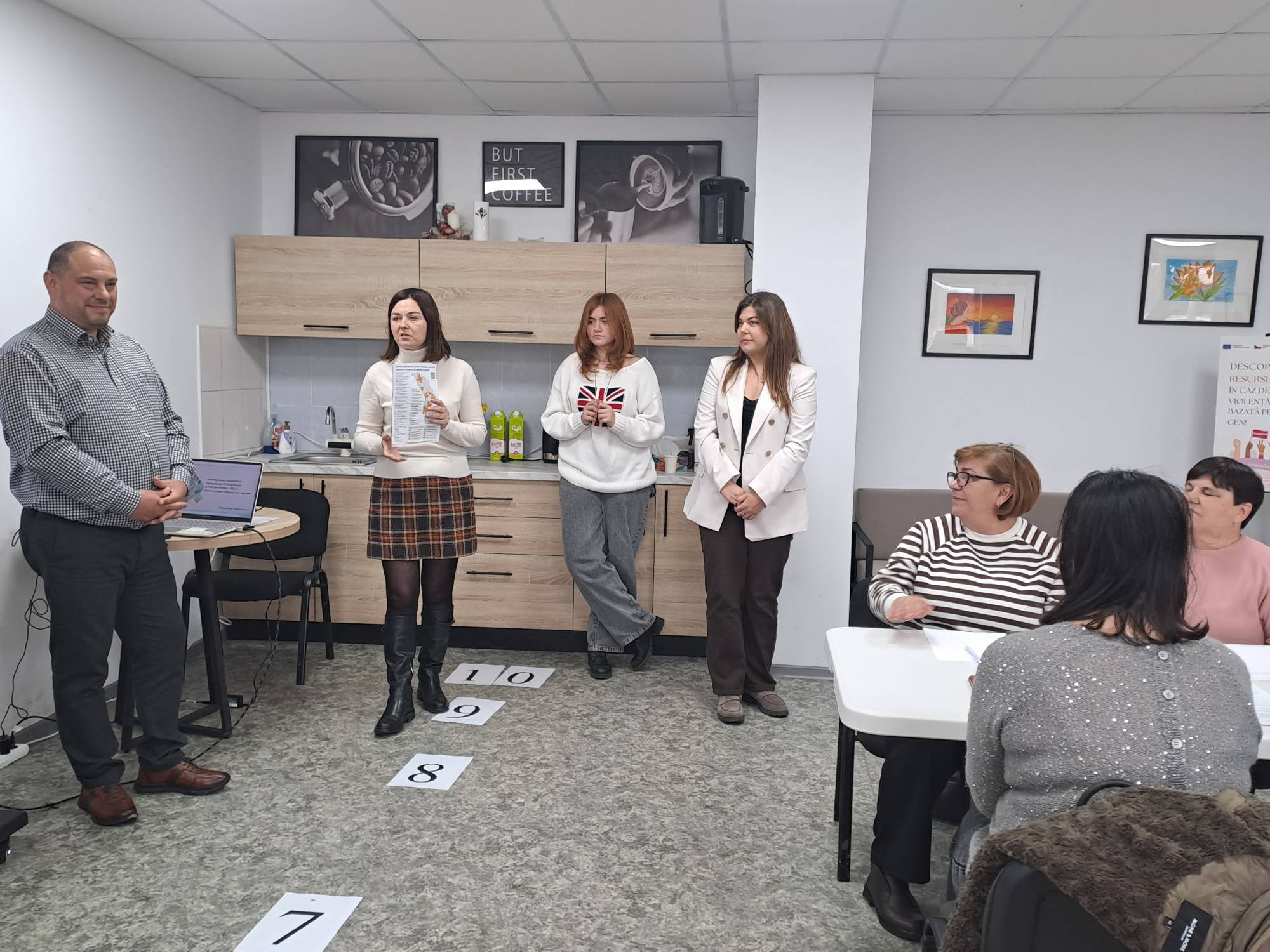
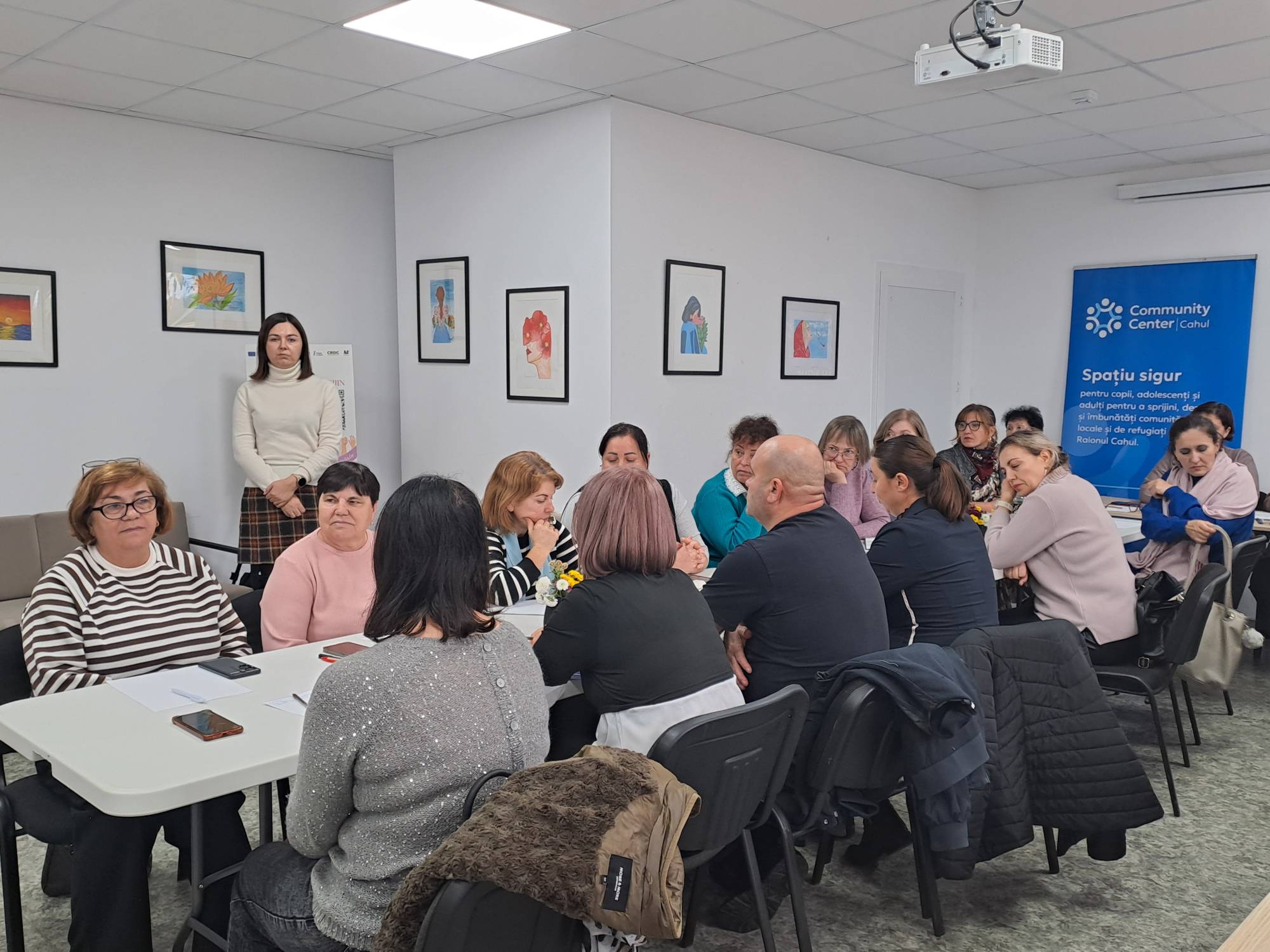
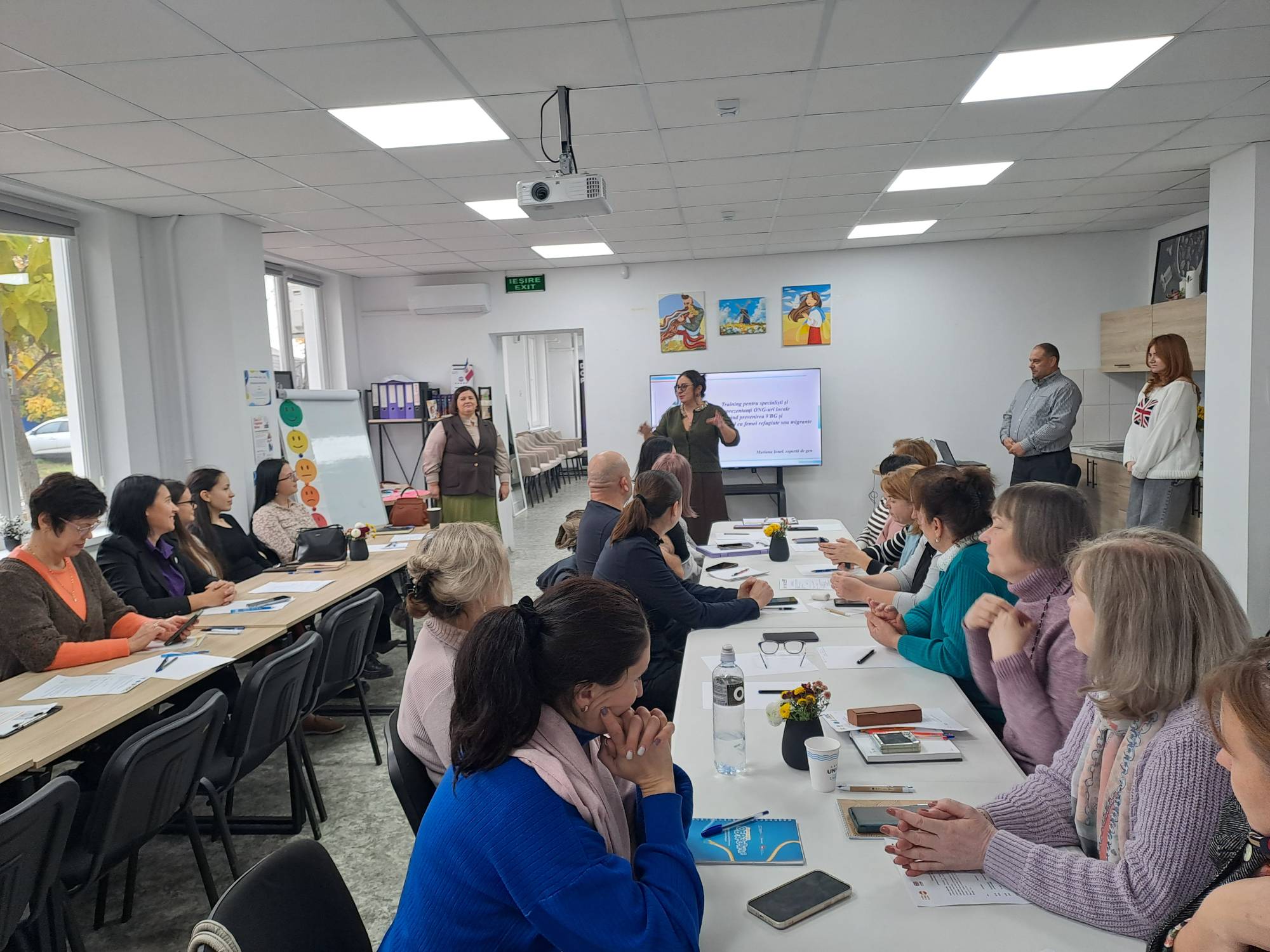
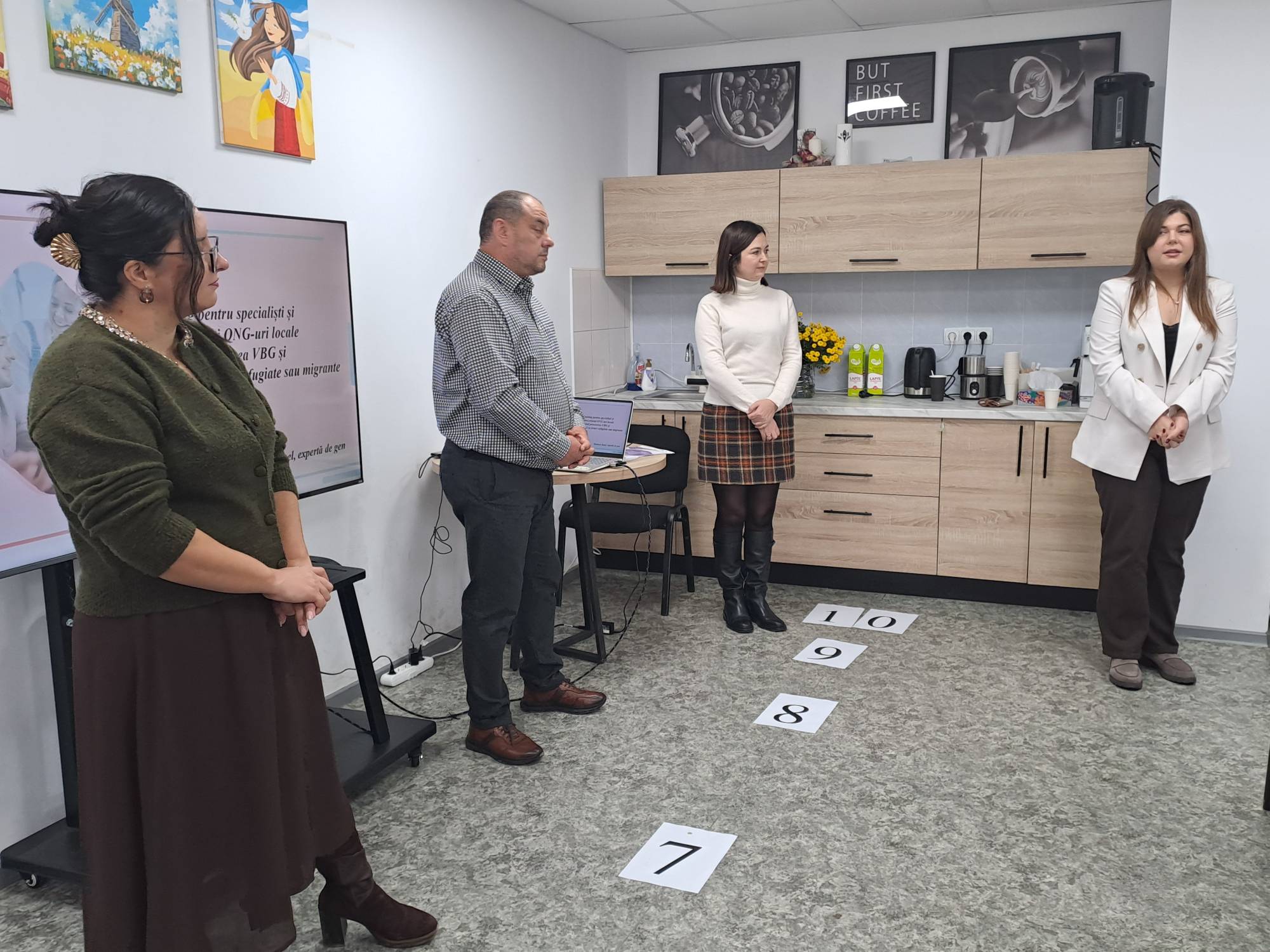
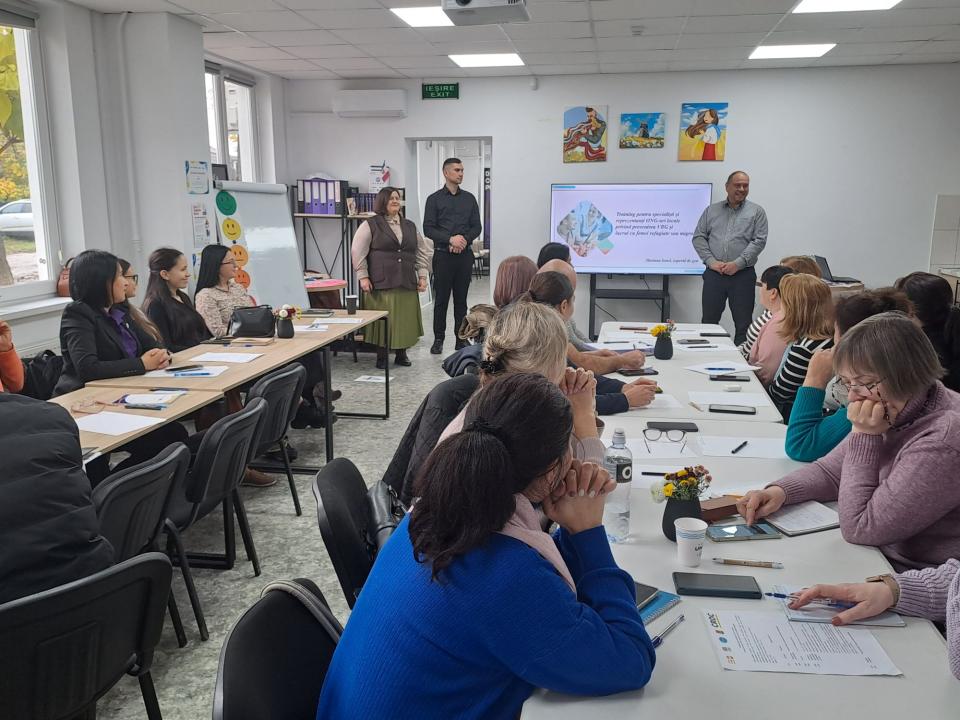
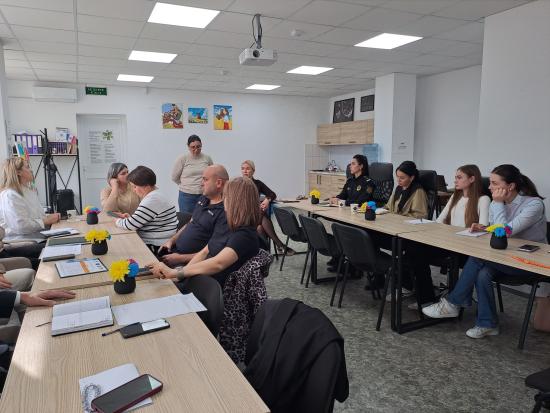
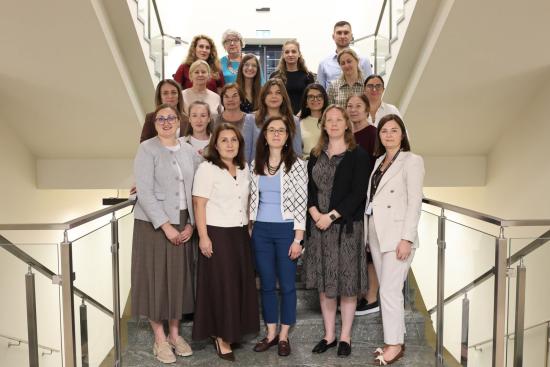
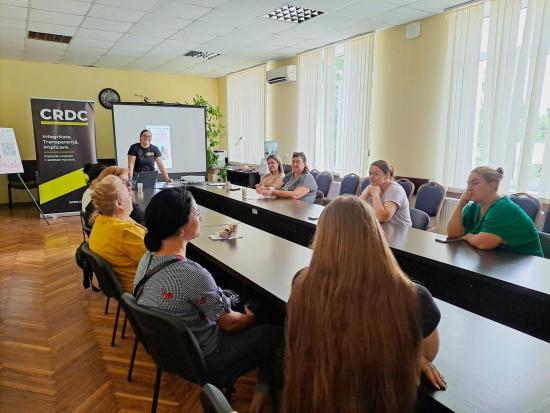
On 30 October 2026, the Regional Center for Community Development (CRDC) organized a training session at the Cahul Community Center dedicated to preventing gender-based violence (GBV) and improving support interventions for women affected by violence, including refugee and migrant women.
The activity brought together 35 participants, including specialists, representatives of local non-governmental organizations, and community stakeholders, providing a space for learning, exchanging experiences, and discussing challenges encountered in identifying and responding to cases of violence.
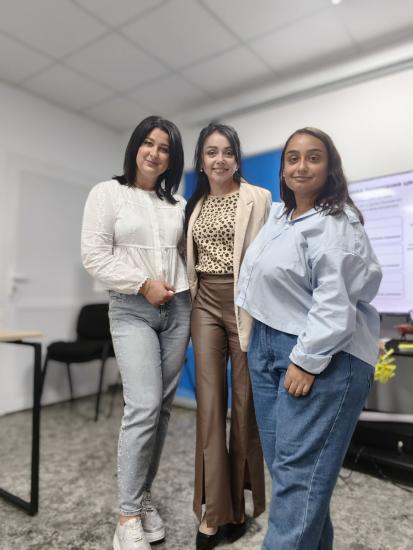
The event was also attended by Elena Castravet, representative of the United Nations Population Fund (UNFPA), and Cristina Snegur, President of the Platform for Gender Equality and Grants Coordinator at Gender-Centru. Their participation provided an opportunity for direct dialogue with programme partners and for strengthening cooperation in preventing and addressing gender-based violence at the local level.
The training was facilitated by Mariana Ionel, gender expert, and Maxian Marin, legal expert, who addressed both the sociocultural and psychological dimensions of violence, as well as legal aspects and protection mechanisms available in the Republic of Moldova.
The first part of the training focused on understanding violence against women and domestic violence, starting with the concepts of gender equality, power relations, and the influence of social norms on attitudes and behaviours within communities.
Participants discussed gender stereotypes and prejudices that may hinder the recognition and reporting of violence, as well as the cultural and linguistic barriers that refugee and migrant women may face.
Particular attention was given to the psychological impact of violence and displacement, including trauma, stress, fear, and isolation, as well as the importance of preventing the revictimization of people seeking assistance.
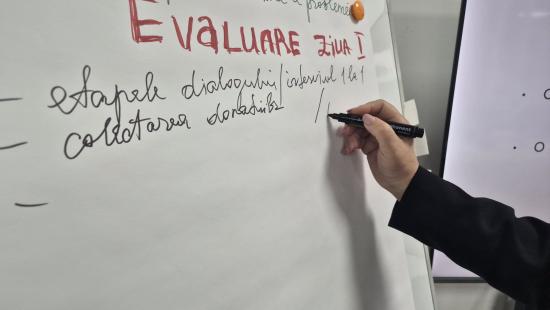
Through practical exercises, case studies, and discussions, participants explored the principles of a survivor-centred approach: safety, respect, confidentiality, non-discrimination, and informed consent.
The second part of the training addressed the rights and protection options available to people affected by gender-based violence, with particular attention to refugee and migrant women's access to services and support mechanisms.
Discussions focused on identifying situations of risk, assessing social needs, and understanding the responsibilities and limits of professional intervention.
Participants examined the protection mechanisms available in the Republic of Moldova, including the roles of the police, social services, healthcare providers, psychological support services, and legal assistance providers, as well as the importance of interdisciplinary cooperation in case management.
An important component of the training was the safe referral of people affected by violence, while respecting confidentiality, informed consent, and the principle of sharing only the minimum necessary personal data.
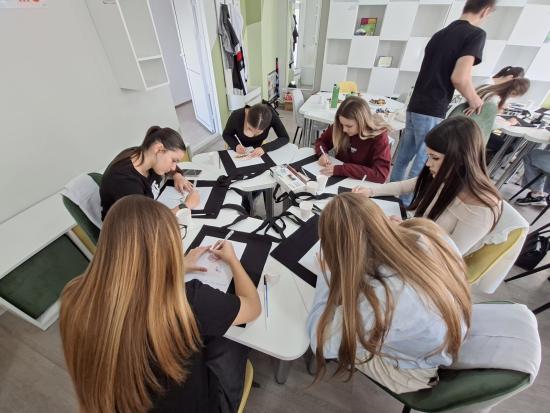
Through practical exercises and case studies, participants had the opportunity to analyse specific situations, identify the needs of a refugee woman experiencing violence, and examine protection options, available services, and the steps required for a coordinated response.
For CRDC, organizing this training is part of its ongoing efforts to strengthen the capacities of local stakeholders to prevent gender-based violence and contribute to developing a more accessible and better-coordinated community response.
Experience in working directly with women, refugee families, and other groups in vulnerable situations highlights the importance of well-informed professionals, communication free from prejudice, and effective cooperation mechanisms between institutions and civil society organizations.
Preventing violence goes beyond awareness-raising campaigns. It also requires those interacting with affected individuals to recognize warning signs, listen without judgement, respect personal decisions, and facilitate safe access to specialized services.
We thank Elena Castravet and Cristina Snegur for their presence, support, and openness towards our local initiatives. We greatly appreciate their cooperation and assistance! We also thank the trainers for sharing their expertise, as well as all participants for their engagement, openness, and valuable contributions to the discussions.
We value our collaboration with the Gender-Centru team and their continued support in implementing activities dedicated to the safety of women and girls in our communities.
#CahulFărăViolență
This activity was organized by the Regional Center for Community Development (CRDC), under the auspices of the Platform for Gender Equality, with the support of Gender-Centru, and is part of a programme aimed at empowering women-led organizations in their efforts to prevent and respond to gender-based violence. This initiative is supported by the United Nations Population Fund (UNFPA) and funded by the United Kingdom.