Русский
  Română


```html
Participating in an international youth exchange means much more than travelling to another country or taking part in a programme of activities. It means encountering different perspectives, developing new skills, gaining a deeper understanding of current issues and, above all, having the opportunity to return to one’s community with ideas, connections and experiences that can contribute to change.
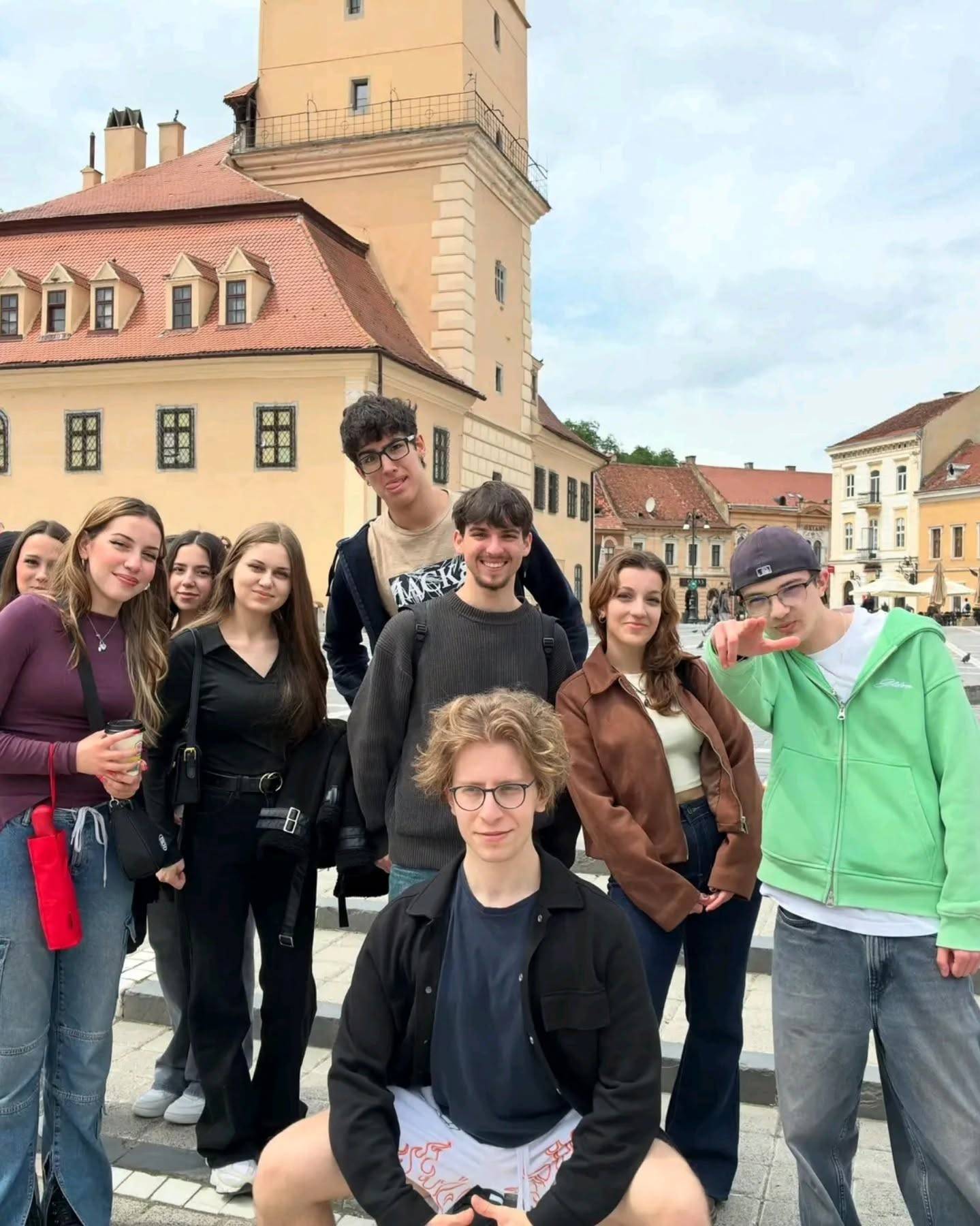
One such experience was the international youth exchange INCLUDE+ Digital Access, held in Brașov, Romania, within the Erasmus+ programme.
A.O. Centrul Regional de Dezvoltare Comunitară was the implementation partner from the Republic of Moldova, alongside partner organizations from Türkiye, North Macedonia, Poland, Italy and Spain.
The youth exchange was implemented by International EduCenter, together with the project’s international partners:
A.O. Centrul Regional de Dezvoltare Comunitară – Republic of Moldova;
Creative Youth Academy – Türkiye;
Gama KPS – North Macedonia;
Projekt Tarnow – Poland;
Red Blue Beetle NGO – Italy;
Estrellas del Sur – Spain.
The local partner of the project was Colegiul Național de Informatică „Grigore Moisil” Brașov.
The project brought together young people from several countries around topics that are becoming increasingly relevant in everyday life: equitable access to technology and digital resources, inclusion in online environments, responsible behaviour on the internet, empathy, digital participation, emotional well-being and the balance between the online world and authentic human relationships.
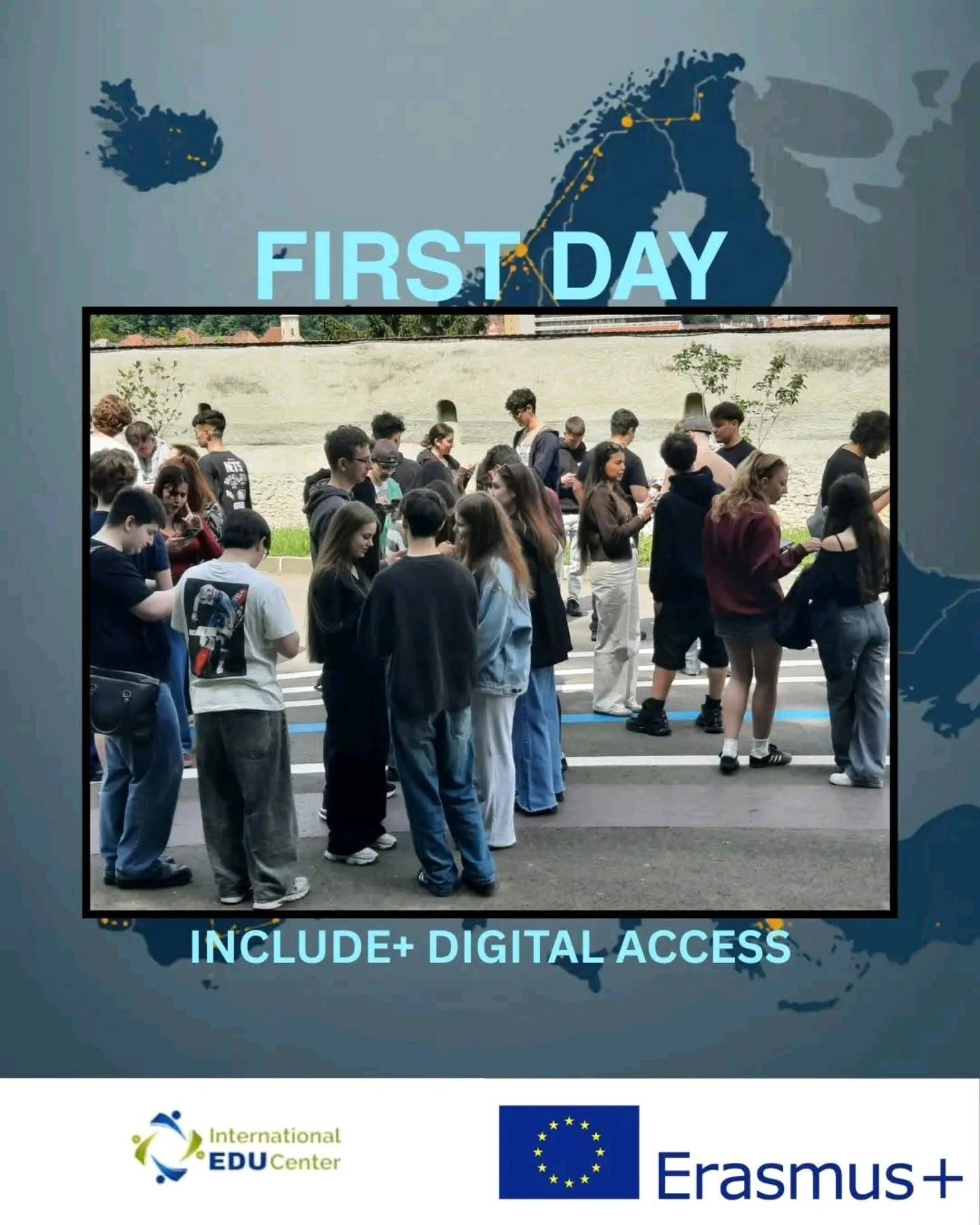
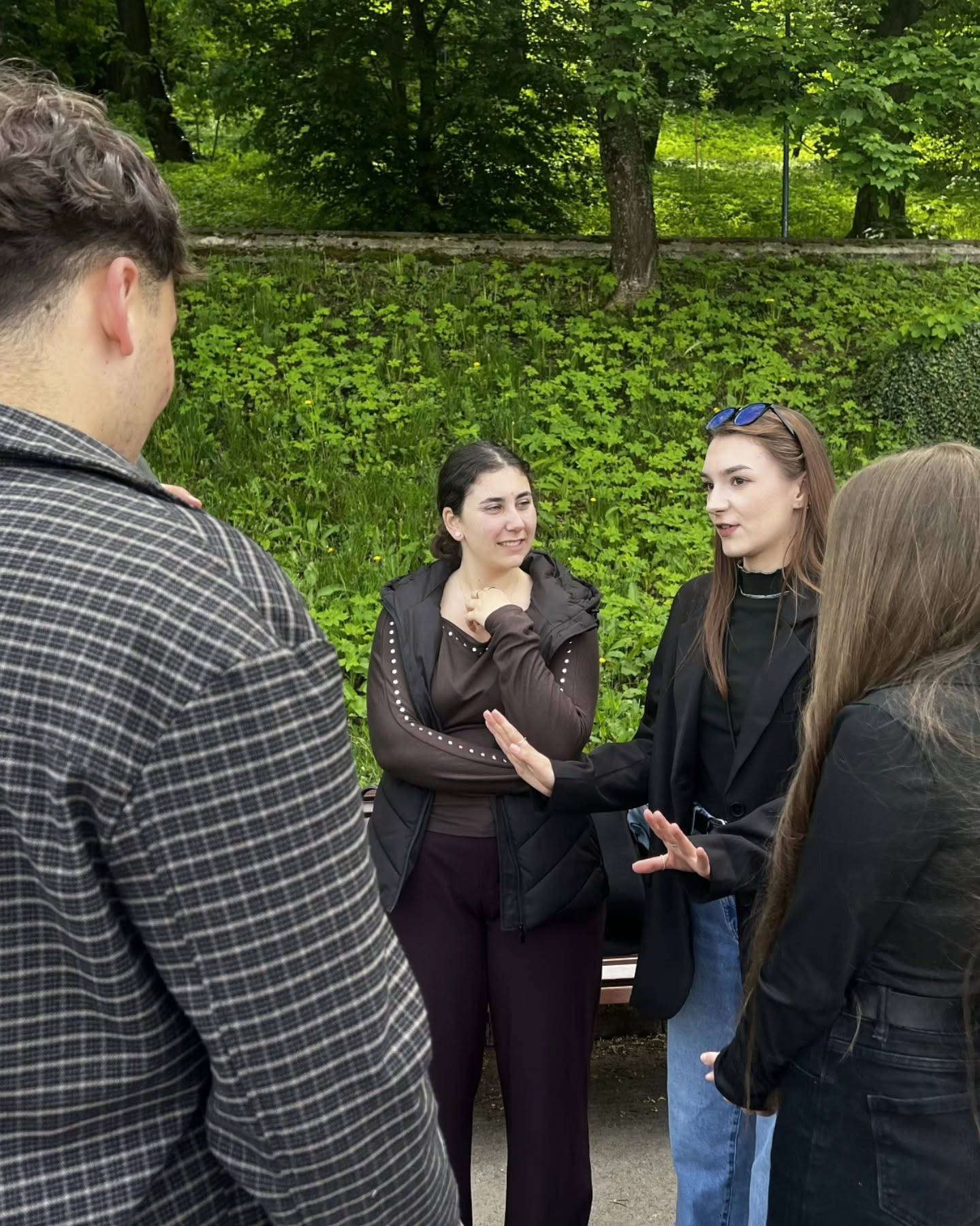
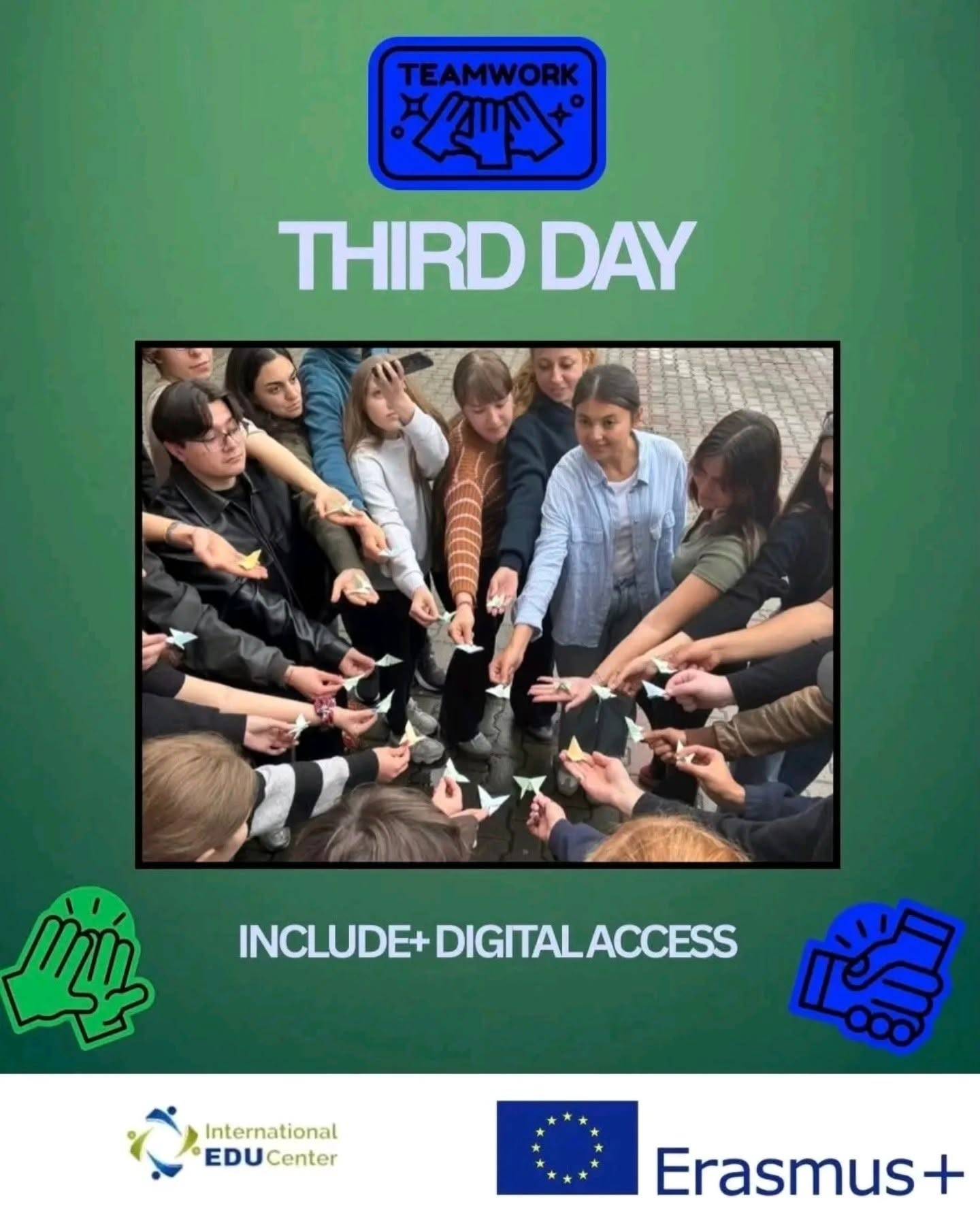
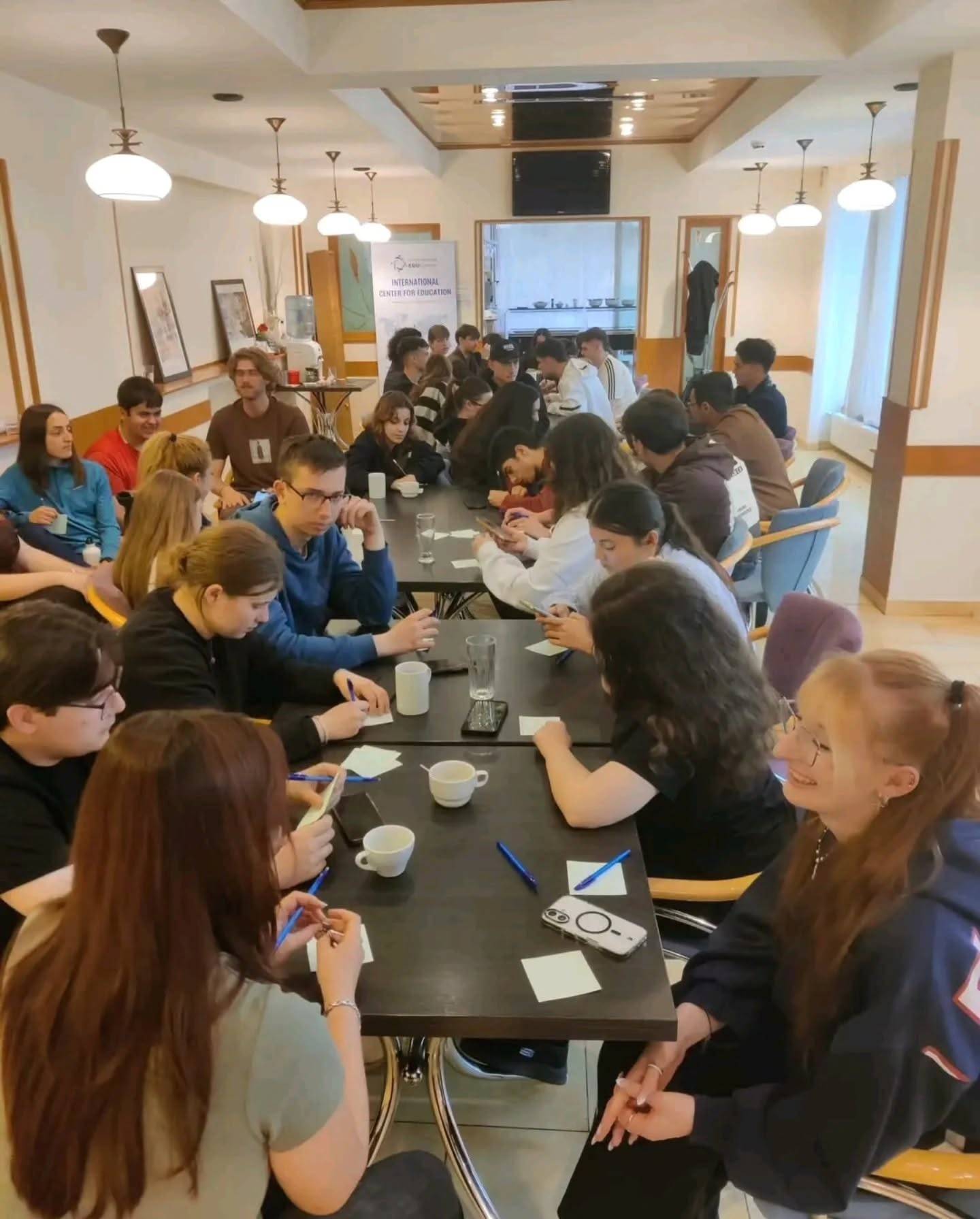
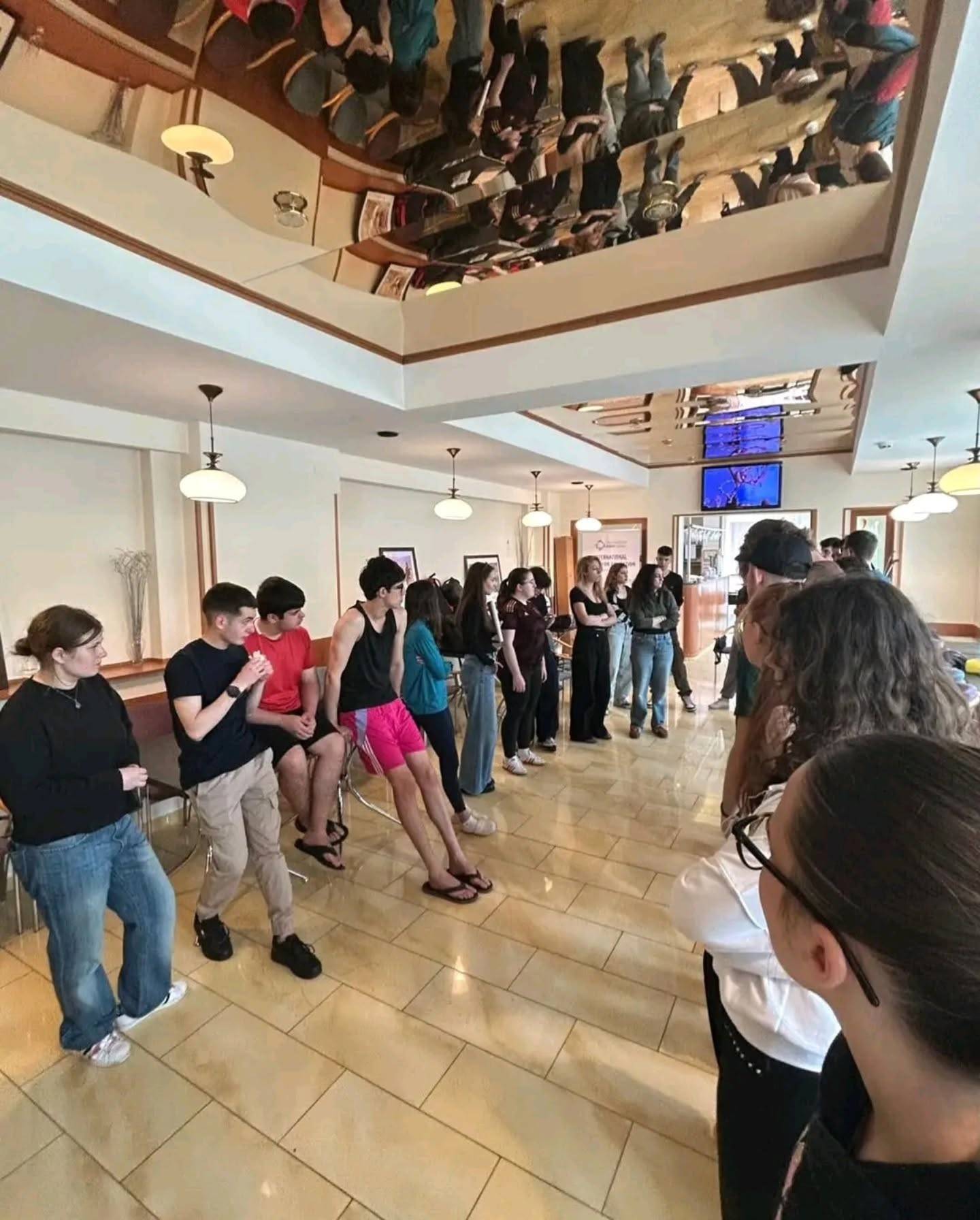
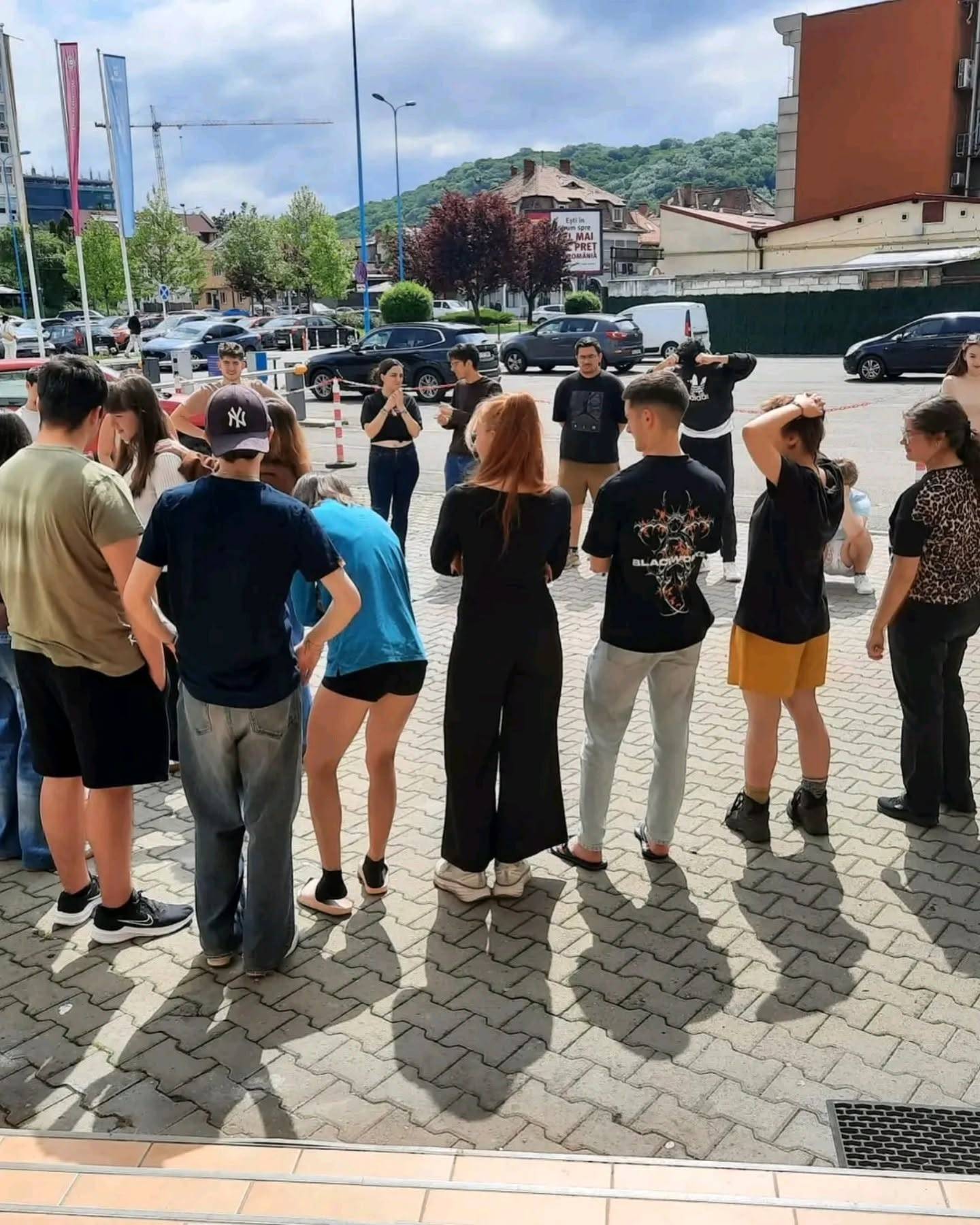
The first day of the exchange was dedicated to getting to know one another, building trust and forming the international group.
Participants came from different cultural and social backgrounds, and the first non-formal education activities were designed to create a safe and inclusive space in which every young person could express themselves and take an active role.
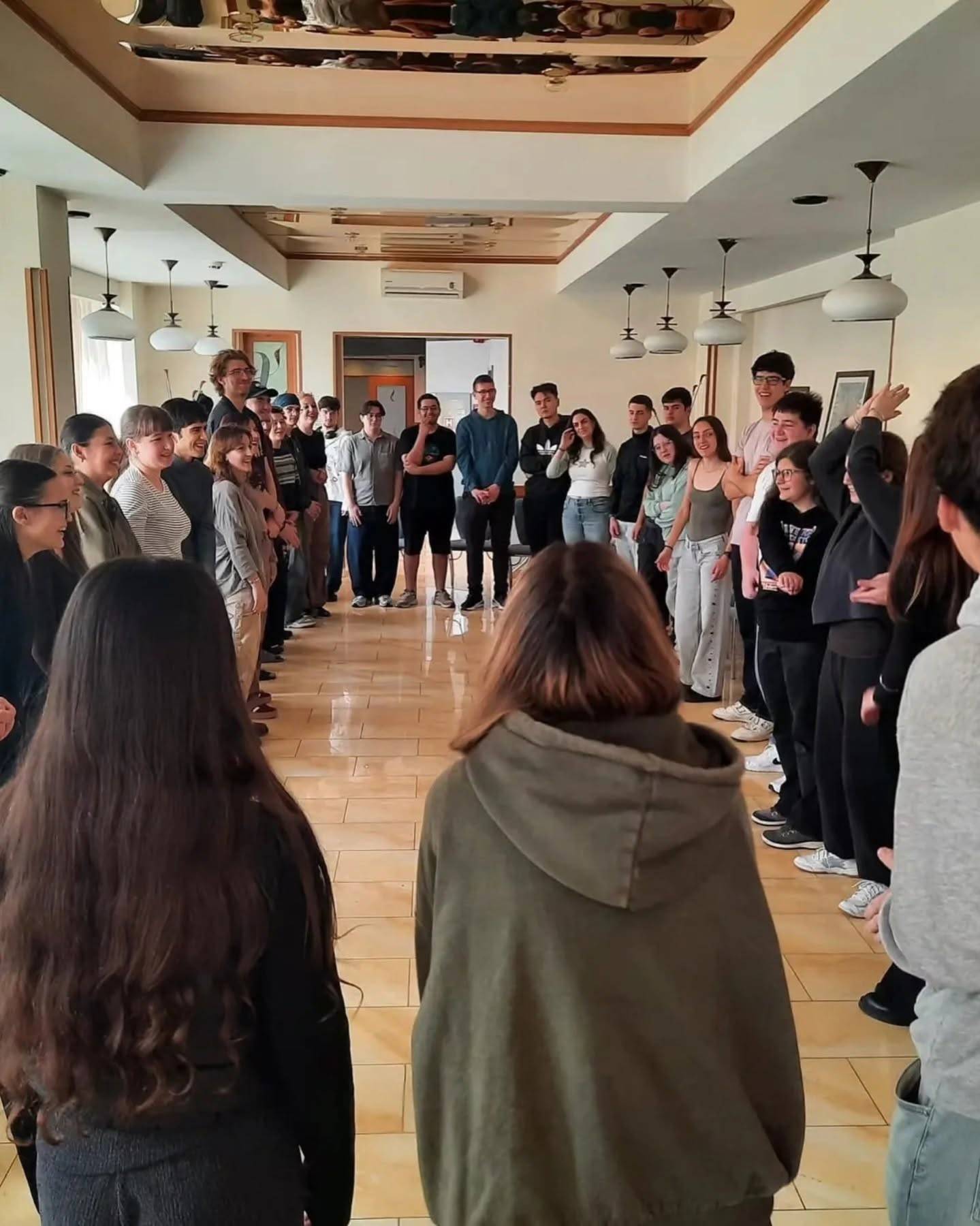
Through team-building exercises, connection activities and intercultural dialogue, participants began to get to know each other and build relationships that became the foundation of the entire mobility experience.
The first day also introduced the main themes of the project: connection and a sense of belonging, trust within the group, intercultural dialogue, digital access and inclusion.
For the CRDC youth participants, this was also the first stage of integration into an international group and the beginning of a learning process in which experiences from the Republic of Moldova could be compared with the realities of young people from other countries.
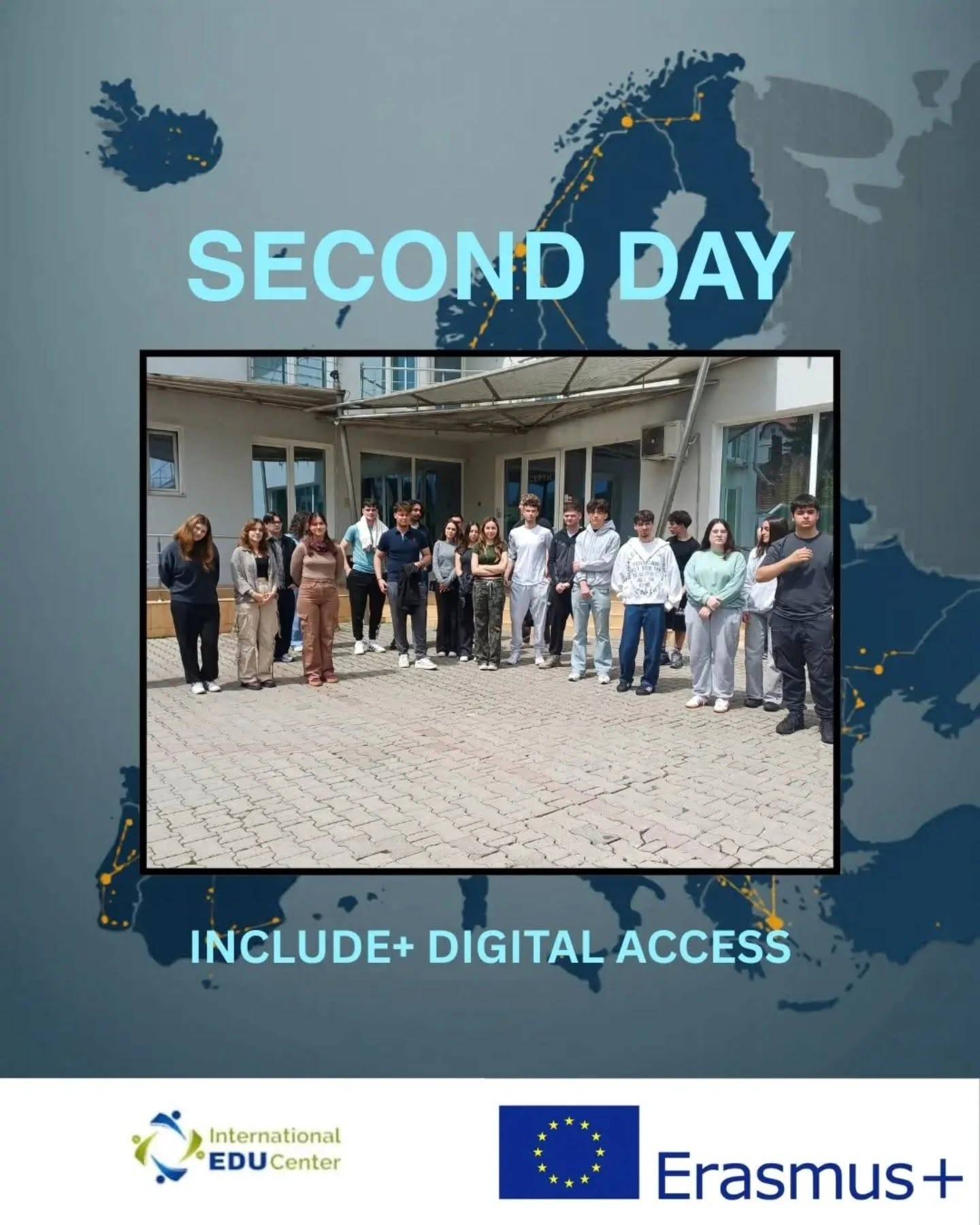
The second day focused on an essential question: to what extent is access to technology and digital resources truly equal for all young people?
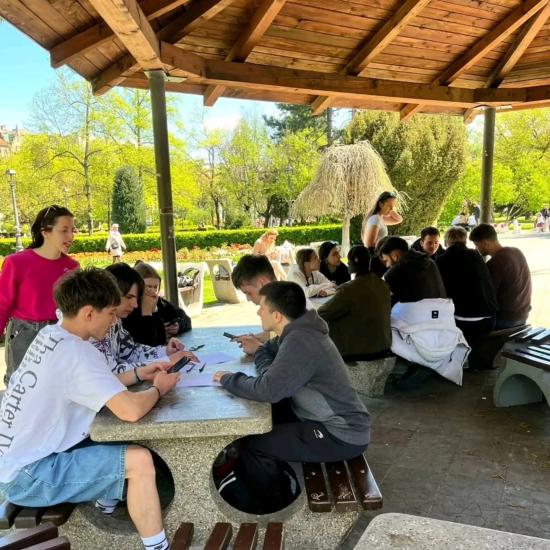
Through interactive non-formal education activities, participants explored how access to technology, education and online resources can affect young people’s lives differently depending on the social, economic or geographical context in which they live.
The topics addressed included:
digital access and equal opportunities;
privilege and inclusion;
online participation;
barriers faced by young people;
differences between digital realities in various countries.
Reflection exercises and experiential activities encouraged empathy, critical thinking and a better understanding of the fact that the mere existence of technology does not automatically guarantee equal access to opportunities.
Participants discussed the differences that can arise due to a lack of devices, internet access, digital skills, access to education or quality information.
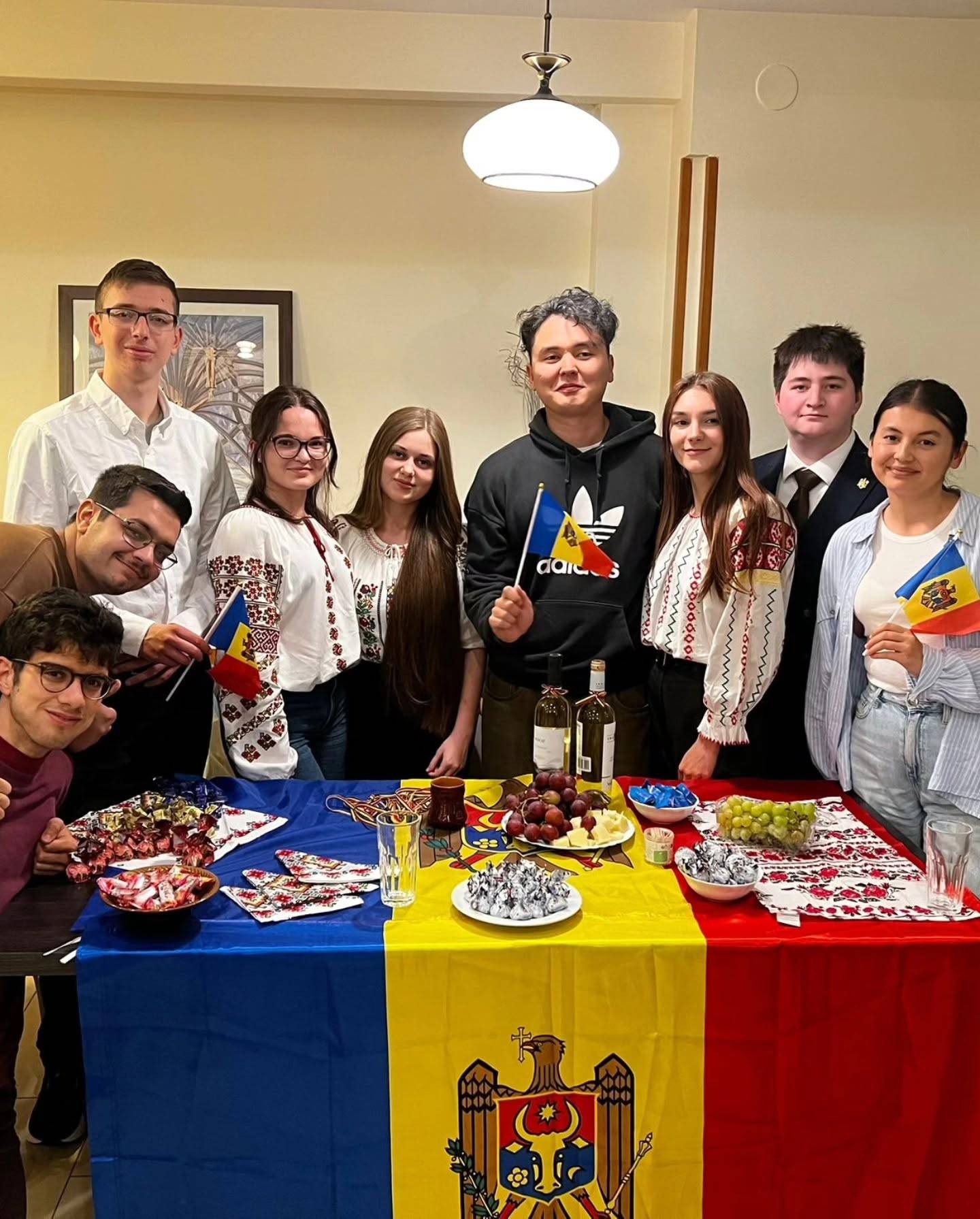
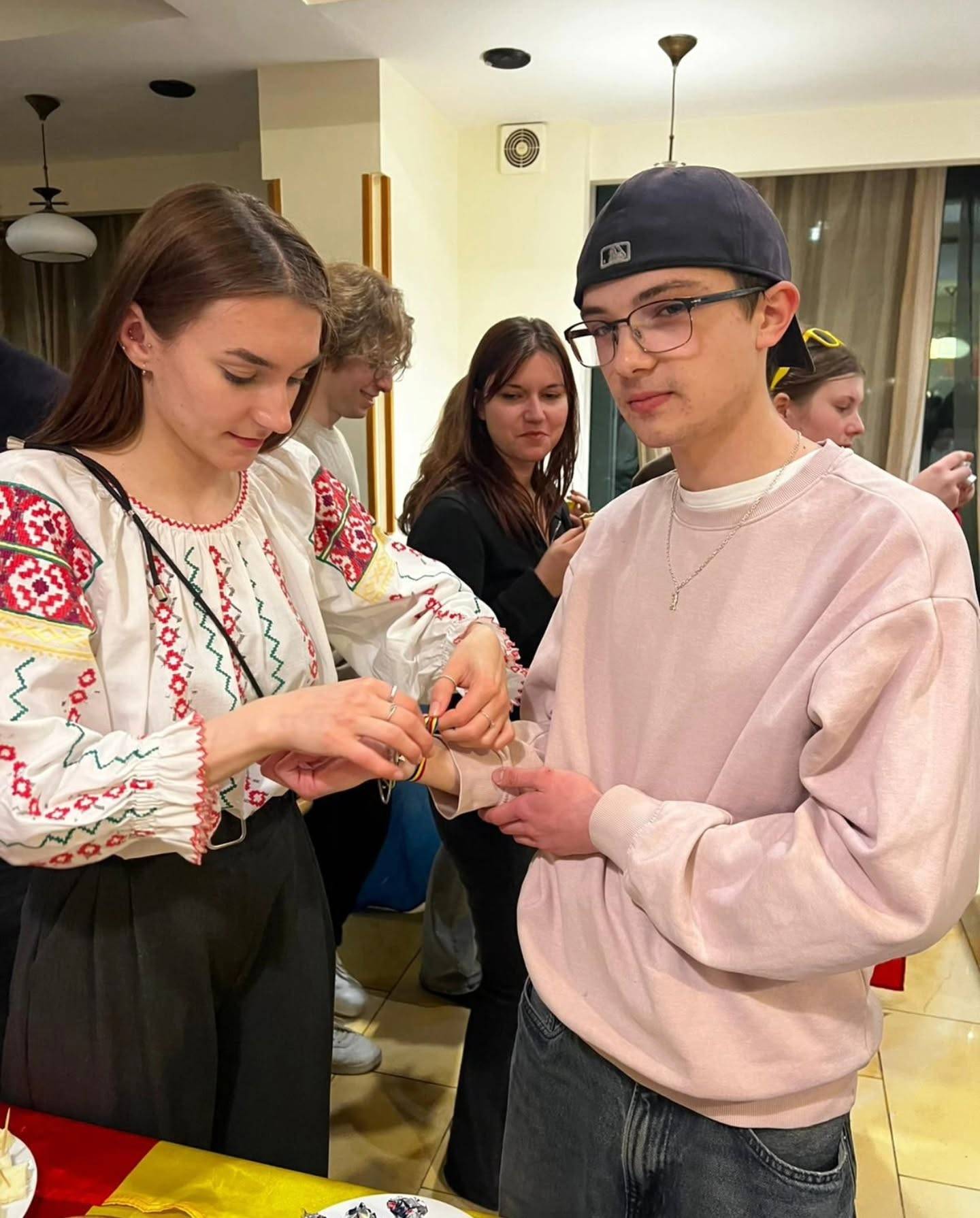
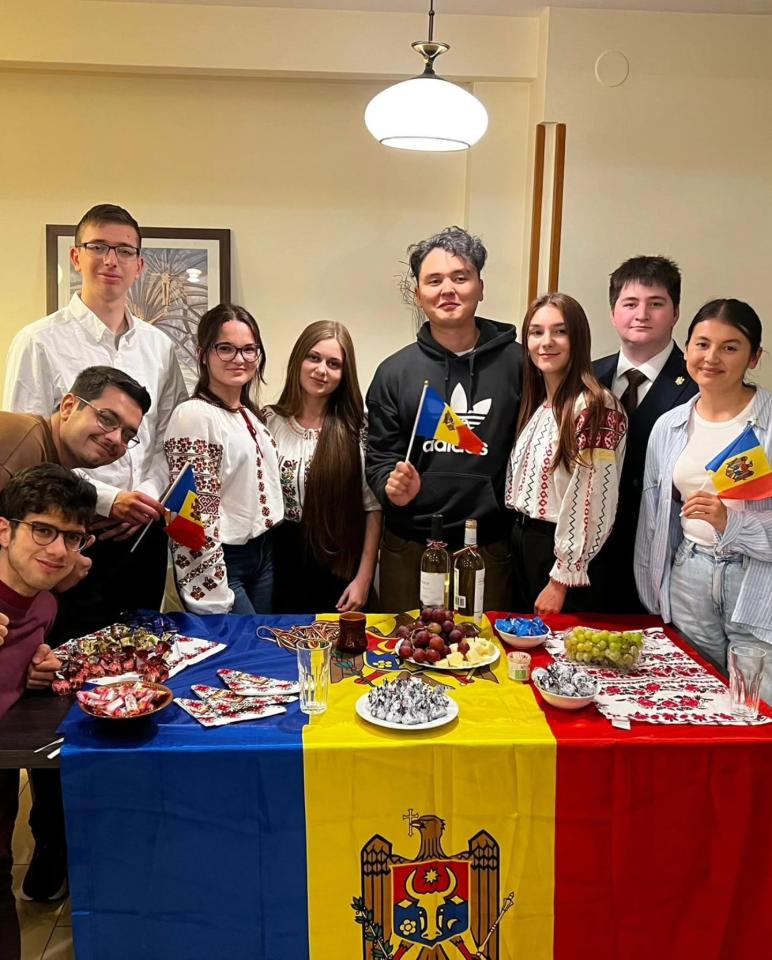
The evening continued with an intercultural exchange during which participants presented traditions, food, music and dances from their countries. For the CRDC volunteers, this moment was also an opportunity to present the Republic of Moldova, our culture and the distinctive features of our region.
Following the discussions on access and equality, the next two days focused on how technology influences our relationships, communication and well-being.
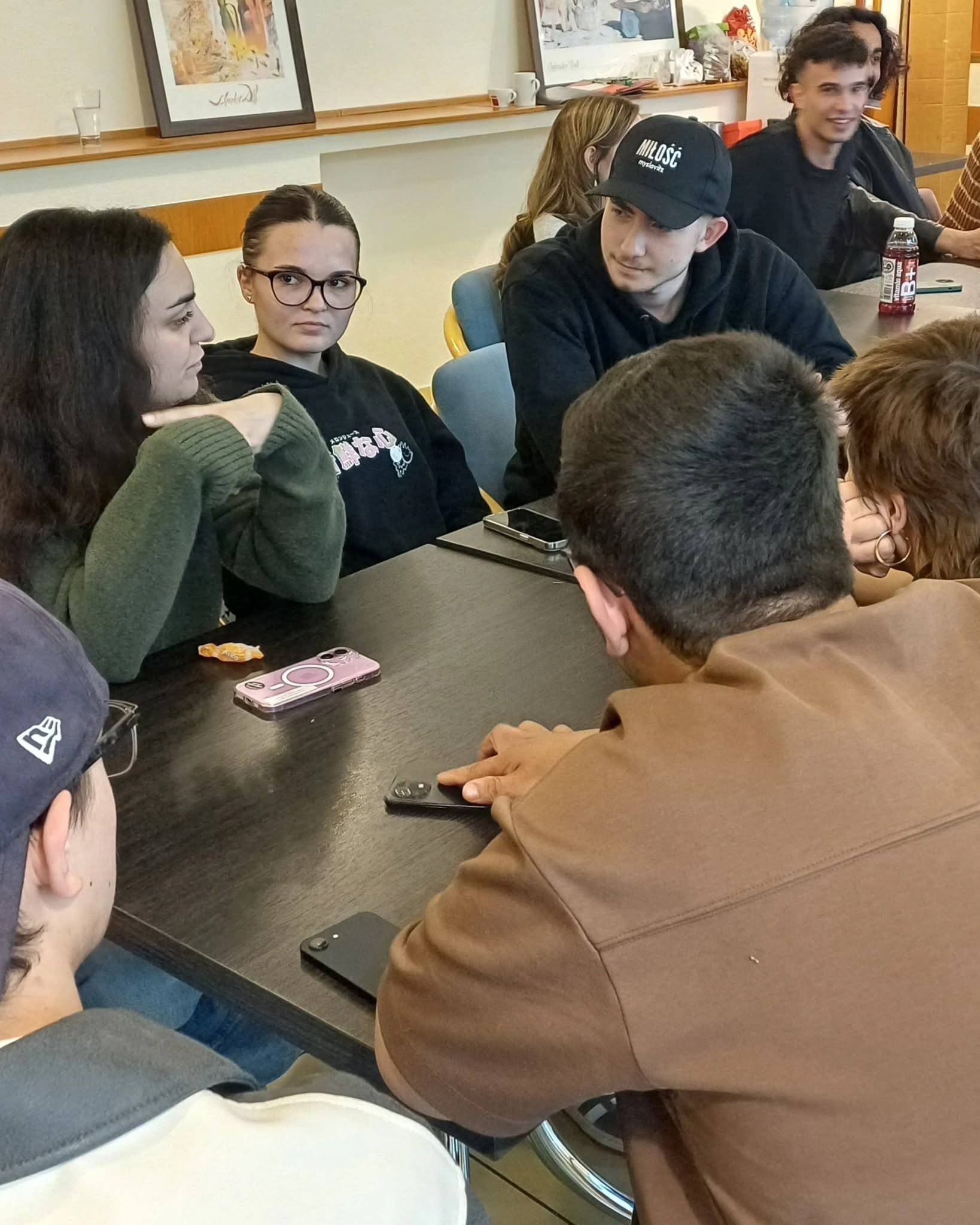
During activities such as “Together but Alone”, Online Behaviour & Empathy, Phone-Free Challenge and Digital Habits Analysis, young people examined their own digital habits and the way these habits influence everyday interactions.
Participants discussed how present we really are in a conversation when we constantly check our phones, the differences between online and face-to-face communication, empathy in digital environments and the responsibility we have when interacting online.
The emphasis was not on rejecting technology, but on finding a healthy balance.
Technology can facilitate access to information, education, communication and opportunities, but its use should remain conscious and responsible.
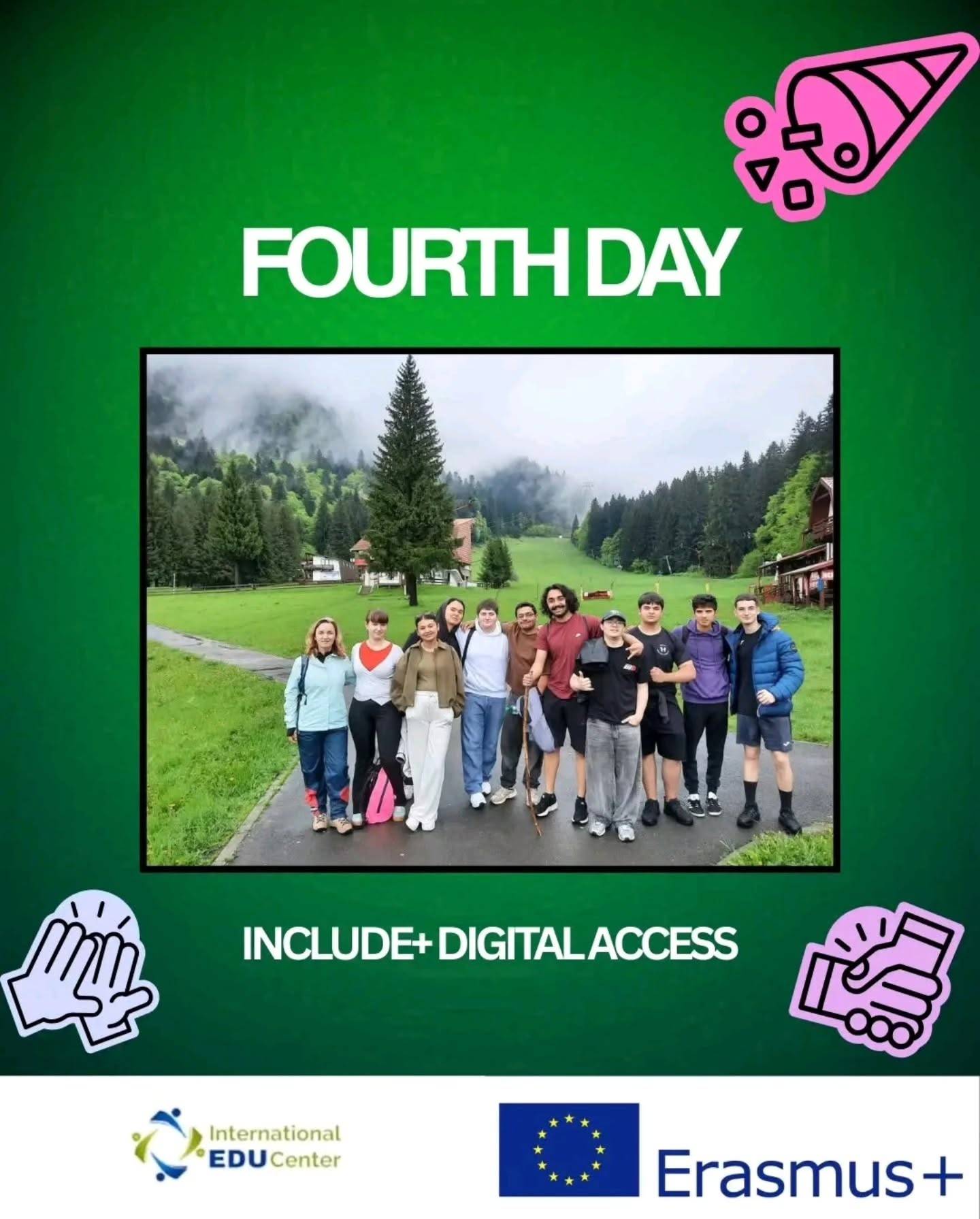
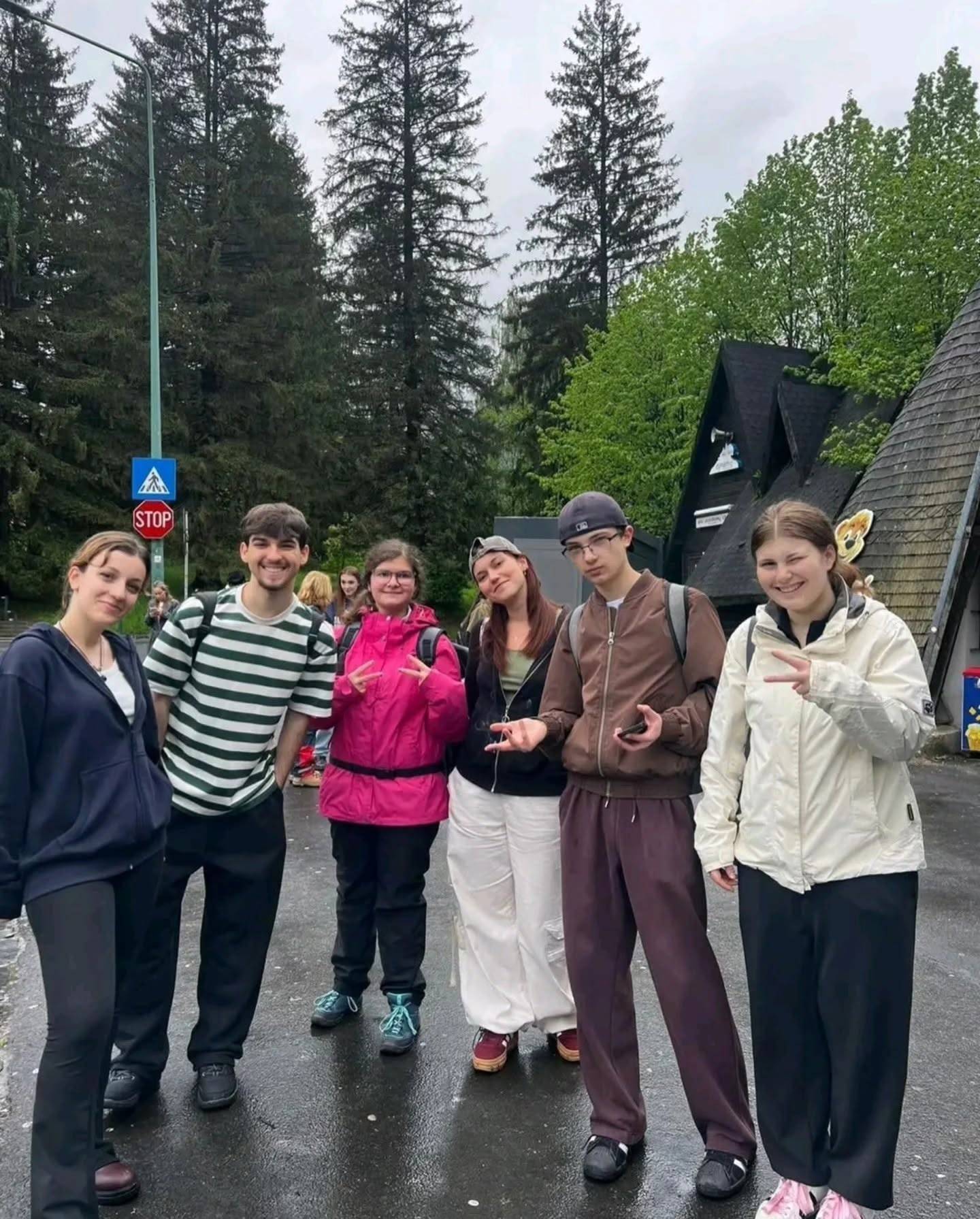
Day 4 continued this reflection through activities dedicated to the concept of Digital Detox, reconnecting with nature and interacting beyond screens.
Mindfulness exercises, outdoor activities and human connection challenges offered participants space to reflect on their own habits and on how they can keep technology as a useful tool without allowing it to replace authentic relationships, direct communication and personal balance.
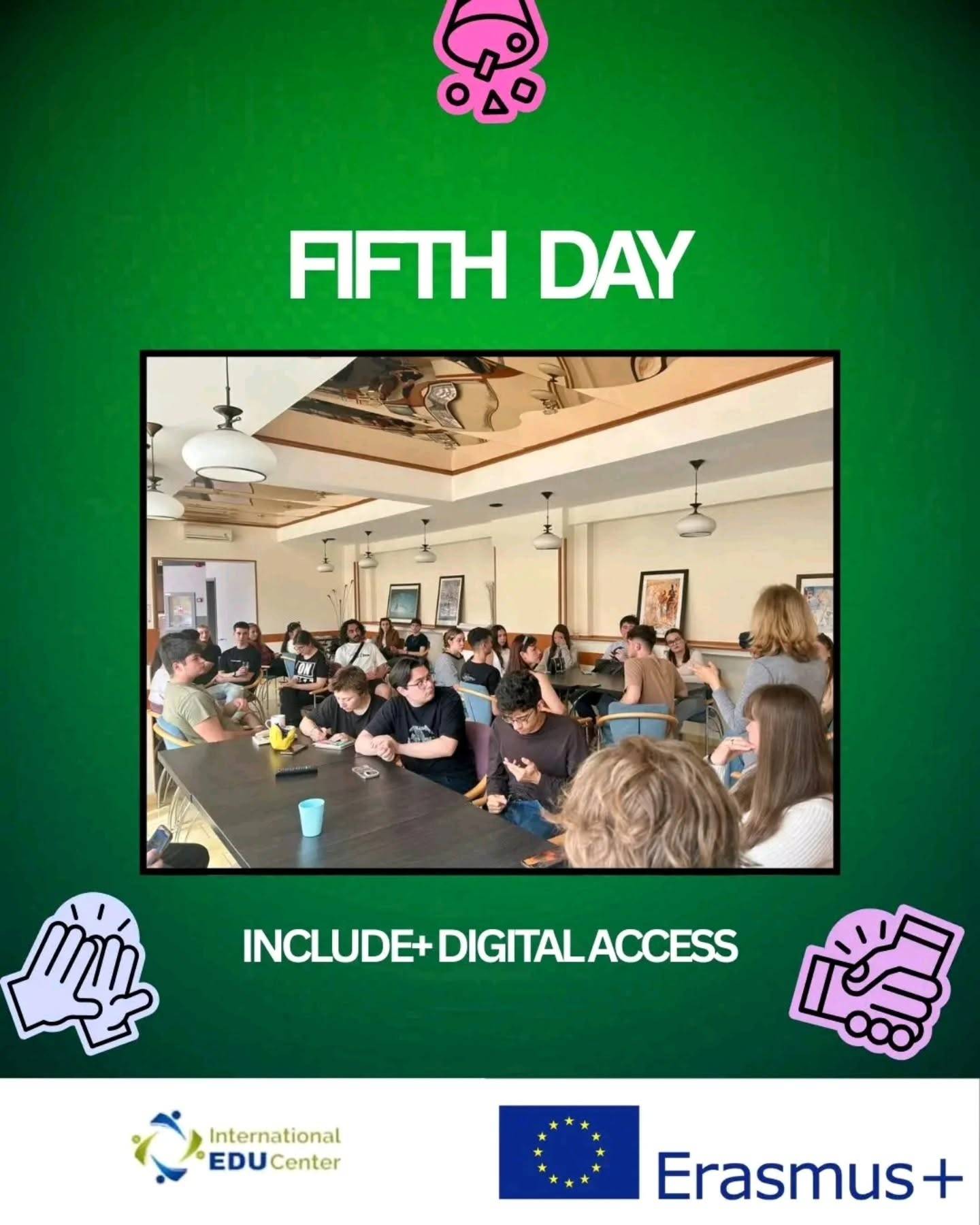
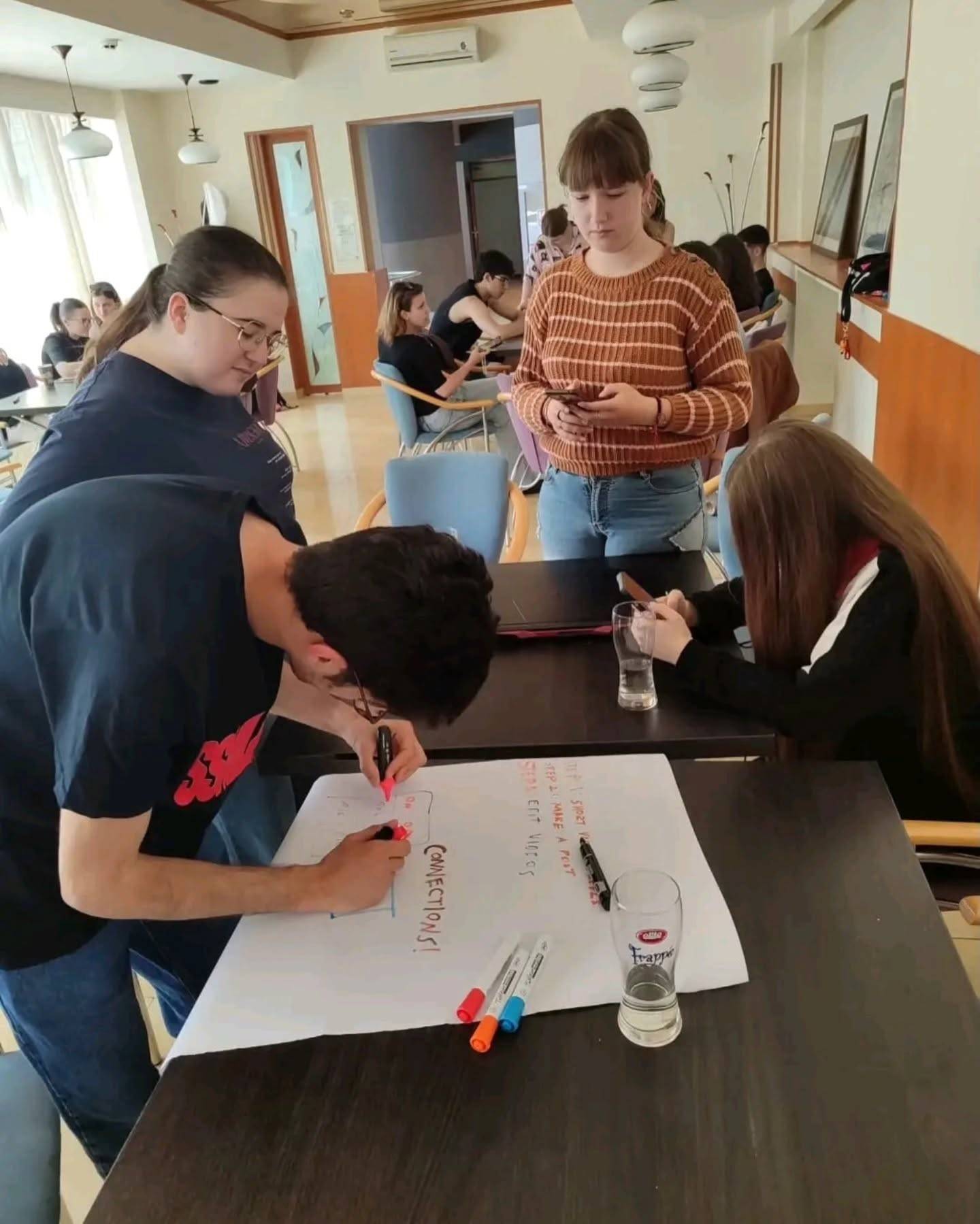
On the fifth day, participants moved from analysis and reflection to applying the ideas developed throughout the project.
Building on the themes previously discussed – equal access to digital resources, empathy in online environments, responsible behaviour and the role of young people in building more inclusive communities – they worked in teams to transform their conclusions into clear and accessible messages for other young people.
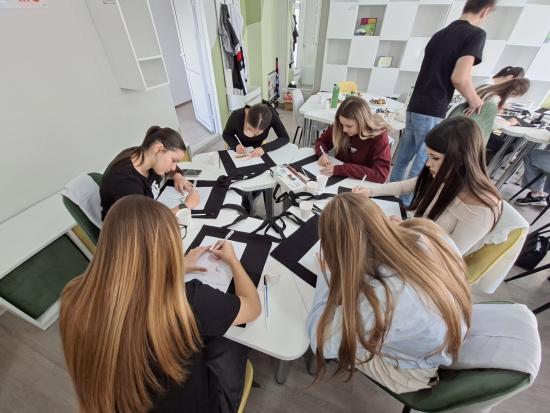
Through discussions, creative exercises and collaborative work, participants developed materials and concepts for awareness-raising campaigns.
This process was important because the young people did not remain only participants in the activities; they also became content creators and multipliers of the project’s key messages.
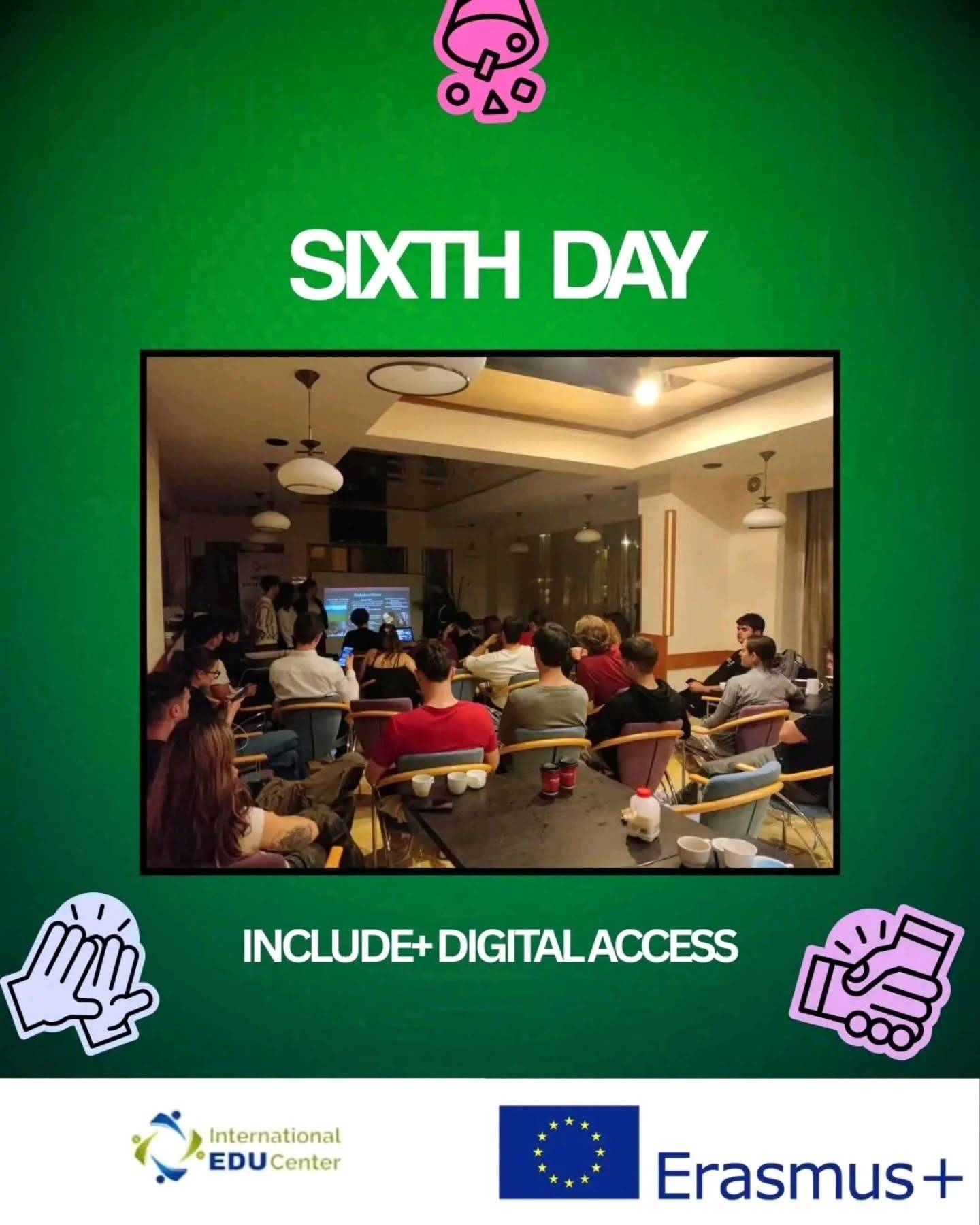
The final day was dedicated to presenting the results and reflecting on the entire experience.
Participants presented the materials and concepts they had developed, spoke about what they had learned and discussed how they could continue promoting the project’s values in their own communities.
Inclusion, respect, participation, empathy and digital responsibility thus became more than discussion topics. They became principles that participants can integrate into their future work in schools, organizations, initiative groups and communities.
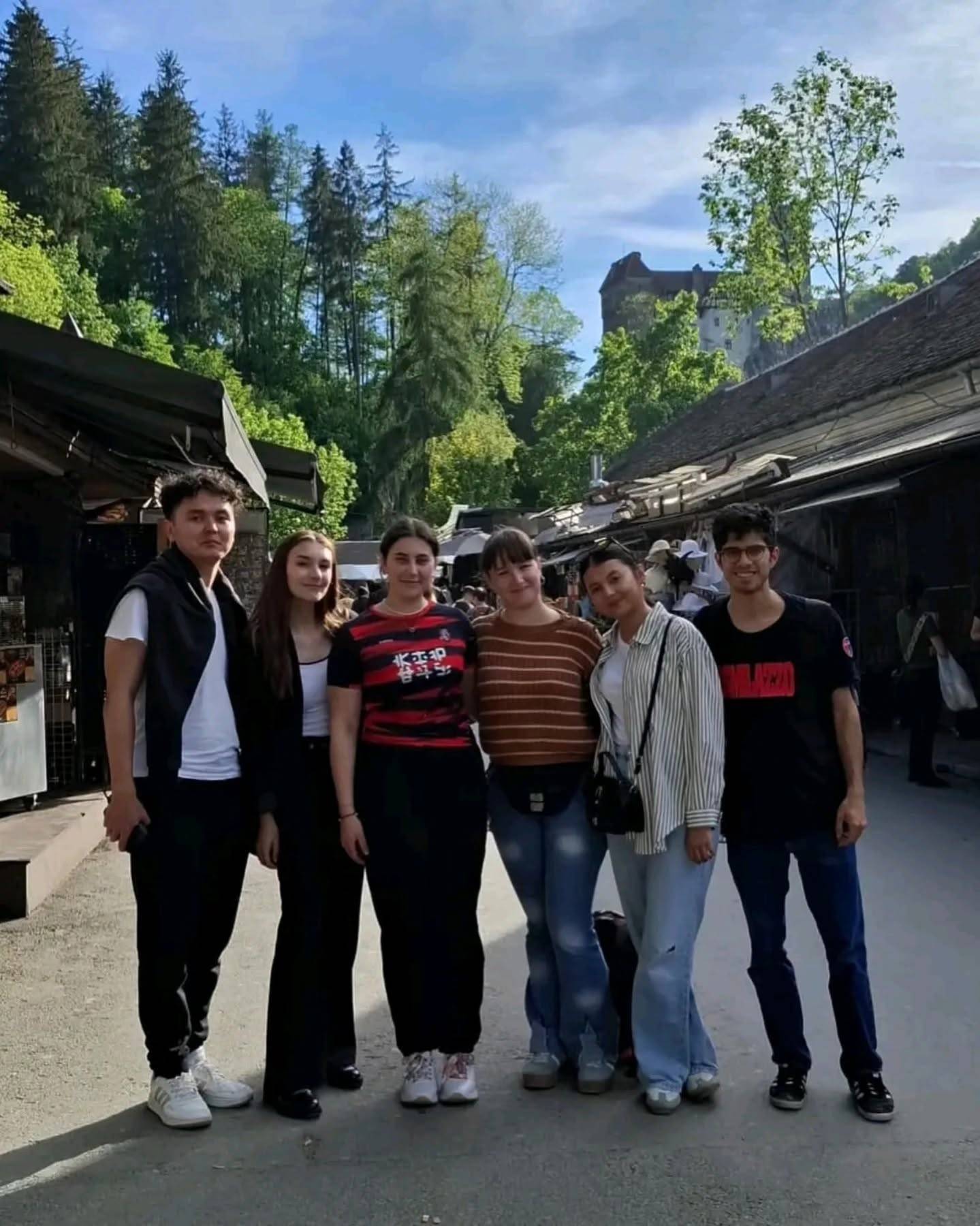
For the CRDC volunteers, participation in INCLUDE+ Digital Access was more than simply taking part in an Erasmus+ mobility.
It was an experience of intercultural learning, working in international teams, practising communication in a multicultural environment and discovering new perspectives on technology and its role in society.
The intercultural evenings complemented this experience through moments in which participants presented traditions, music, food and other elements representative of their countries.
Our volunteers represented the Republic of Moldova, our region and A.O. Centrul Regional de Dezvoltare Comunitară with openness and active involvement, contributing both to the educational activities and to the atmosphere of cooperation and intercultural exchange.
For CRDC, the value of such mobility experiences does not end with the final day of the project.
Young people return home with new skills, greater confidence, experience in international cooperation and ideas that they can adapt and multiply in their communities.
Participation in INCLUDE+ Digital Access complements CRDC’s work in the fields of youth, volunteering, media education, civic participation and community development, and gives young people the opportunity to understand that many of the challenges they encounter locally are also shared by young people in other parts of Europe.
At the same time, CRDC’s role as the implementation partner from the Republic of Moldova strengthens the opportunities available to young people from our region to access international learning experiences, build connections with peers from other countries and later bring that experience back into their communities.
We thank International EduCenter for coordinating and organizing the exchange, the international partners for their cooperation, and all participants who contributed to this shared experience.
For us, INCLUDE+ Digital Access remains an experience about technology, but above all about people: about access, equality, empathy, relationships, responsibility and the ways in which young people can contribute to building more inclusive communities, both online and offline.