Русский
  Română



“Leaders Who Unite” – Anastasiia Kirila: from Kharkiv to Cahul, a story of courage, adaptation and community
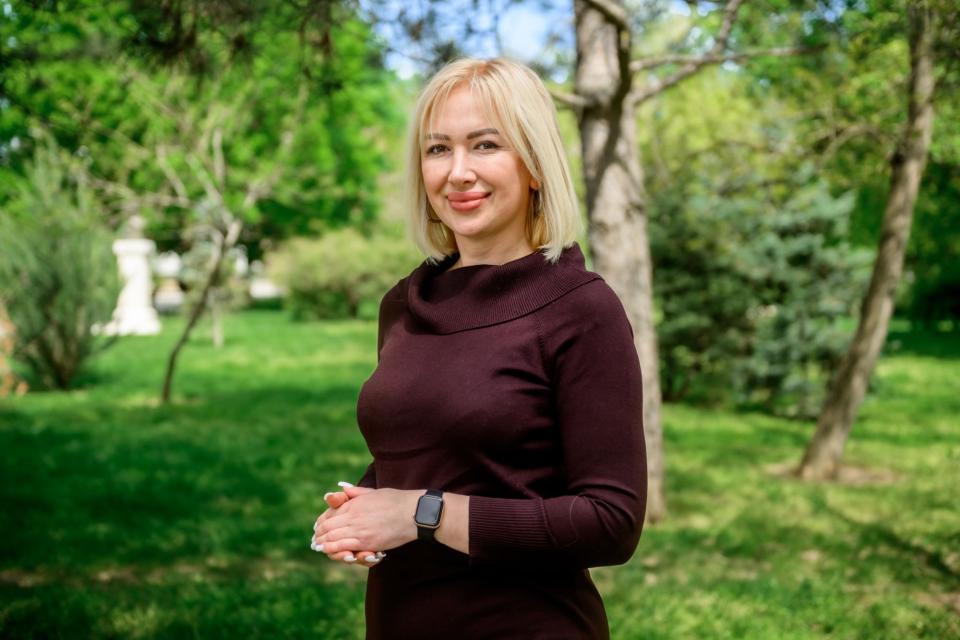
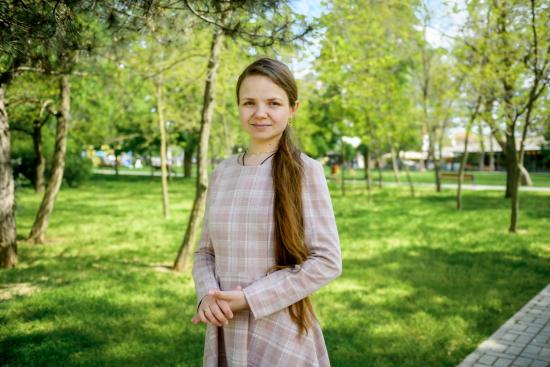
In March 2022, Anastasiia Kirila arrived in Cahul from Kharkiv, Ukraine, together with her two daughters. Before the war, she had a stable life, was raising her children and developing a small business producing children’s sportswear. Moving to another country meant for her not only a change of place, but the beginning of a difficult stage of adaptation, in which she had to accept uncertainty and learn how to build a new reality.
Today, Anastasiia is the coordinator of Community Center Cahul and one of the women who actively contributes to creating a safe, open and friendly space for refugees, migrants and the local community. Through her work, she helps people feel supported, accepted and involved in community life.
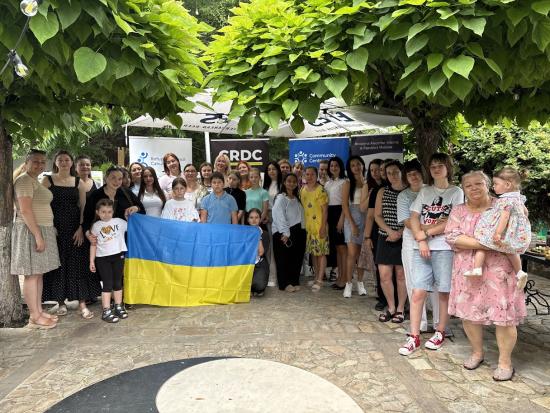
The interview is part of the “Women Leaders Who Unite” campaign, through which the Regional Center for Community Development brings forward the stories of refugee and migrant women who, through courage, engagement and solidarity, contribute to strengthening the community in Cahul.
Anastasiia, tell us a little about yourself. What was your life like before moving to Cahul, and what were you doing?
Before the war, I had a stable and happy life and, like many people, I could not even imagine that one day I would have to leave everything behind and move to another country.
In Kharkiv, I was raising my two daughters and doing something I truly loved — I had a small production business making children’s sportswear. For me, it was not just work, but something into which I put my soul, creativity and a great deal of energy.
I liked creating something useful, seeing the results of my work and feeling that I was growing as a woman, a mother and an entrepreneur.
How did this new stage of life and the move to another country begin for you?
The move was very difficult, first of all emotionally. When we arrived in Cahul, I had the feeling that it was temporary, that the war would end soon and that we would return home. That is why, at first, I did not even think about adaptation or integration — all my thoughts were about going back.
After about half a year, I realized that I had to learn how to live again, build a new reality and find my place here. It was not an easy inner stage — accepting uncertainty while also not losing myself.
How did your adaptation in Cahul go? What helped you feel more confident and more “at home”?
Adaptation happened gradually. Of course, there were difficulties: looking for a job, the language barrier, responsibility for the children and constant inner tension.
At first, for a long time, I could not find a job, and this was very difficult morally.
I understood that, in order to integrate, I needed to develop myself. I started learning Romanian, attended English courses and took training in IT project management. I also managed to work online for an American company, but after a few months I realized that combining such a schedule with raising two children was very difficult.
I think the most important moment came when I saw the announcement for the position of coordinator at the Community Center. I sent my CV, passed the interview, and that is where a new professional stage began for me.
I have already been working in this field for three years. It was the work with people, involvement in community life and the feeling of being useful that helped me feel more confident and truly part of the city.
What are you doing today?
Today I work as the coordinator of Community Center Cahul. This work has a special value for me because it is not only about organizing activities or projects, but first and foremost about people.
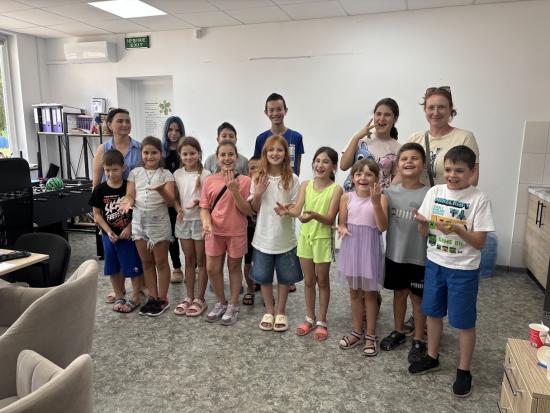
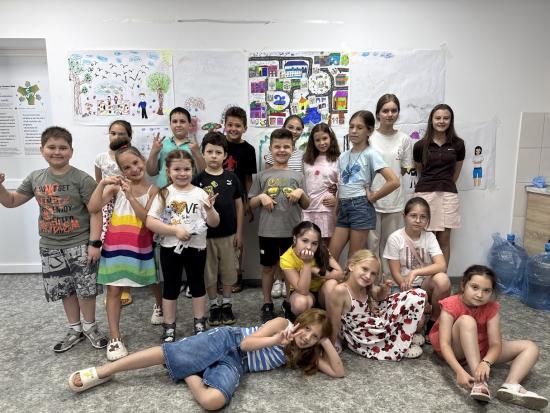
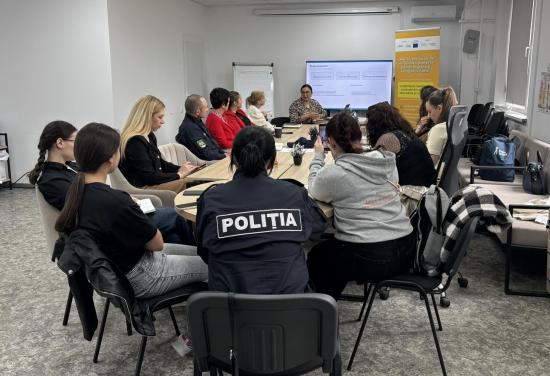
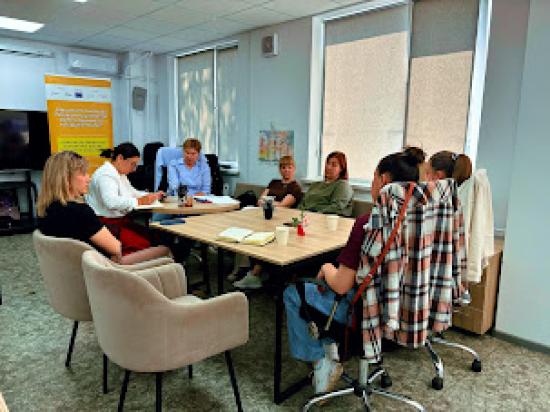
I am actively involved in community life: I take part in various educational, integration and social initiatives, and I interact both with Cahul residents and with refugees. Over these years, I have understood how important it is to create a space where a person feels supported, safe and able to continue developing, even after difficult circumstances.
In addition, working in the humanitarian field has changed me a lot personally. It has taught me to be even more flexible, empathetic and strong.
How do you see your contribution to the life of the Cahul community today?
I believe my main contribution is the ability to bring people together and create an atmosphere of trust and support. When a person finds themselves in a new country, it is very important not to feel alone.
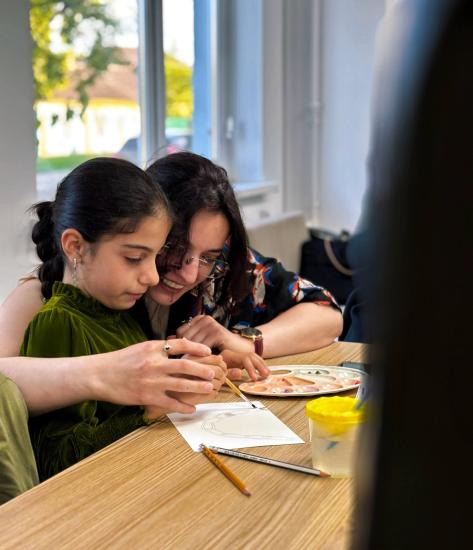
Through my work, I try to help people adapt, find opportunities for learning, communication and development. Sometimes even simple support, a conversation or a well-organized activity can restore a person’s self-confidence and the feeling that they are accepted here.
Through my own example, I want to show that even after very difficult life circumstances, you can keep going, continue learning, developing and being useful to society.
What would you like to say to the people of Cahul and to other communities that receive and support refugees?
First of all, I want to say a huge thank you for your humanity.
When people are forced to leave their homes, they lose not only the life they were used to, but also their sense of stability and safety. And it is the support of the host community that helps them feel solid ground beneath their feet again.
Cahul has become, for many people, the place where we were welcomed with understanding and warmth. This is very valuable and is never forgotten.
I would like people to always remember that integration is a two-way process. When refugees are given the opportunity to learn, work, participate in society and feel needed, they begin not only to receive help, but also to contribute themselves to the development of the community. This is how the true strength and unity of a society are born.
This material was produced with the financial support of the European Union, contracted by ICMPD through the Migration Partnership Facility. Its content is the sole responsibility of the Regional Center for Community Development and does not necessarily reflect the position of the European Union.