Русский
  Română



„LEADERS WHO UNITE” – Liudmyla Kriukova: from Kherson to Cahul, a story of solidarity, adaptation and community engagement
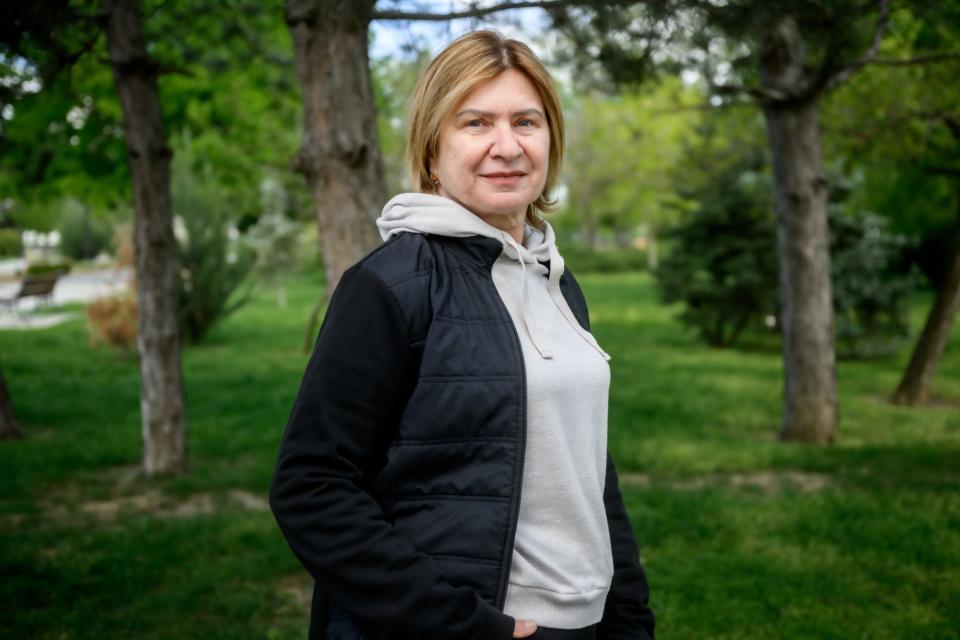
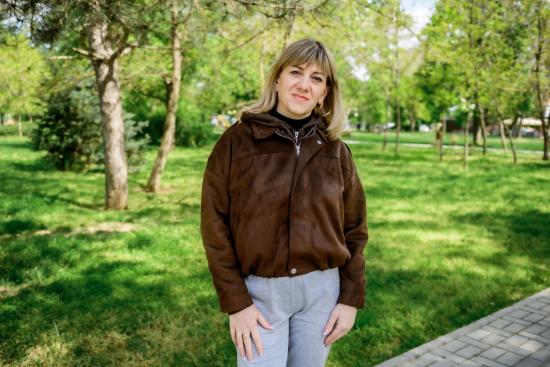
Ludmila Kriukova is originally from Kherson, Ukraine. Before arriving in Cahul, she worked as a cook in a café and cared for her niece’s child. Leaving Ukraine was driven by concern for the children’s safety, and Cahul became the place where she had to stop and begin a new stage of life.
Today, Ludmila works seasonally at “Nufărul Alb” Sanatorium, actively participates in activities organized for refugees, and is a member/volunteer of the Cahul Refugee Council. Together with the volunteer team, she is involved in discussing the problems faced by both refugees and city residents. Her story speaks about solidarity, adaptation and the desire to remain present in community life.
The interview is part of the “Women Leaders Who Unite” campaign, through which the Regional Center for Community Development brings forward the stories of refugee and migrant women who, through courage, engagement and solidarity, contribute to strengthening the community in Cahul.
Ludmila, tell us a little about yourself. What was your life like before moving to Cahul, and what were you doing?
Before coming to Cahul, I cared for my niece’s child and, although I was retired, I worked as a cook in a café. My life was connected to family, work and caring for those close to me.
I never imagined that a moment would come when we would have to leave and look for safety in another country.
How did this new stage of life and the move to another country begin for you?
For the safety of the children, I had to take them out of a dangerous place and look for a safer country. This was not an easy decision, but at that moment the most important thing was to protect the children. Because some documents for the child were missing, we had to remain in Cahul.
Morally, it was very difficult. There was a lot of confusion, many questions: why all this was happening and what would come next.
How did your adaptation in Cahul go? What helped you feel more confident and more “at home”?
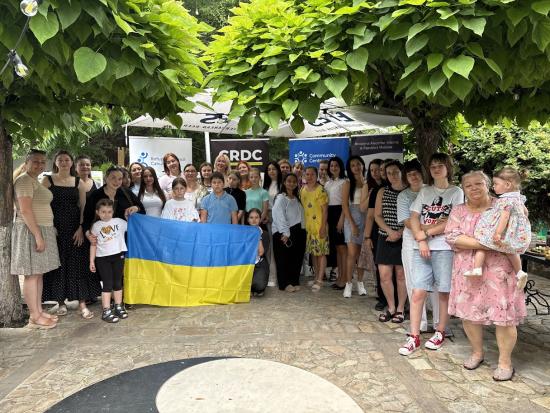
At first, it was difficult because everything was new and uncertain. But here, in Cahul, there were many people from Ukraine. Gradually, a new family formed among us, united by the same pain and the same challenges.
The fact that we were not alone mattered a lot. We began to communicate, support one another and share the problems we were facing. This feeling of closeness and solidarity helped us endure and move forward.
What are you doing today?
From the first year after arriving here, I found a job. Today, I work seasonally at “Nufărul Alb” Sanatorium.
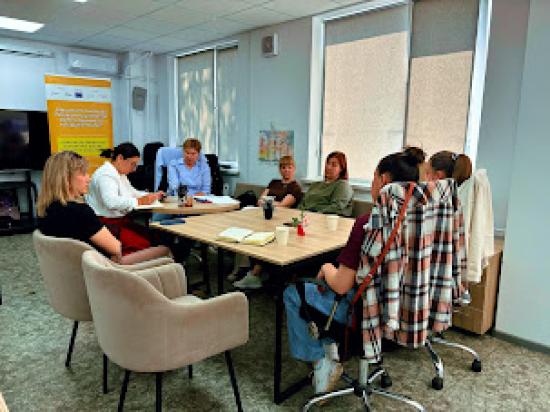
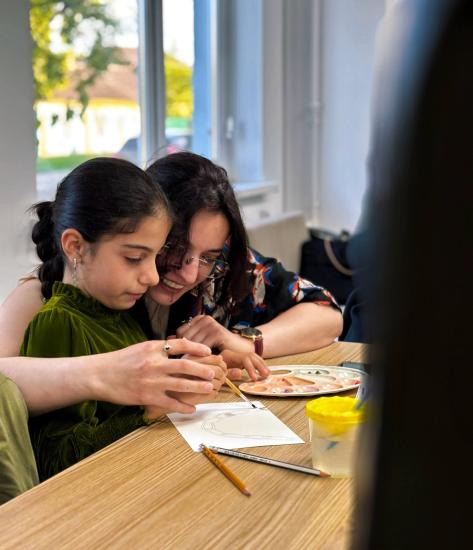
I always take part in the activities organized for us. For me, these activities are important because they bring us together, help us communicate, stay informed and feel part of the community.
Even though we are far from home, it is important to be active, not to remain isolated and to get involved in what is happening around us.
How do you see your contribution to the life of the Cahul community today?
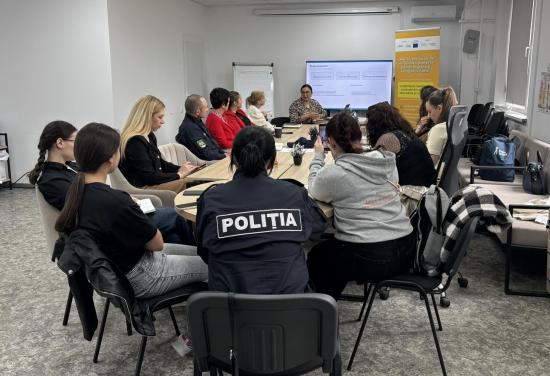
I see my contribution, first of all, through participation. I am a member/volunteer of the Cahul Refugee Council, and we always discuss the problems that exist in the community together with our team of volunteers — people who know well the common difficulties faced by both refugees and city residents.
We do not only receive support; we also try to speak about the problems we face, take part in activities, be present and contribute wherever we can.
For me, it is important that the voice of refugees is heard and that people’s difficulties are discussed openly and addressed.
What would you like to say to the people of Cahul and to other communities that receive and support refugees?
I want to express deep gratitude to the people and all the organizations that understand our situation and help us live in this country.
The support we receive is very important, especially when a person is in a difficult situation, far from home, without the safety they had before.
This material was produced with the financial support of the European Union, contracted by ICMPD through the Migration Partnership Facility. Its content is the sole responsibility of the Regional Center for Community Development and does not necessarily reflect the position of the European Union.