Русский
  Română



CRDC Organized the Second Social Cohesion Camp for Refugee Children and Children from the Local Community
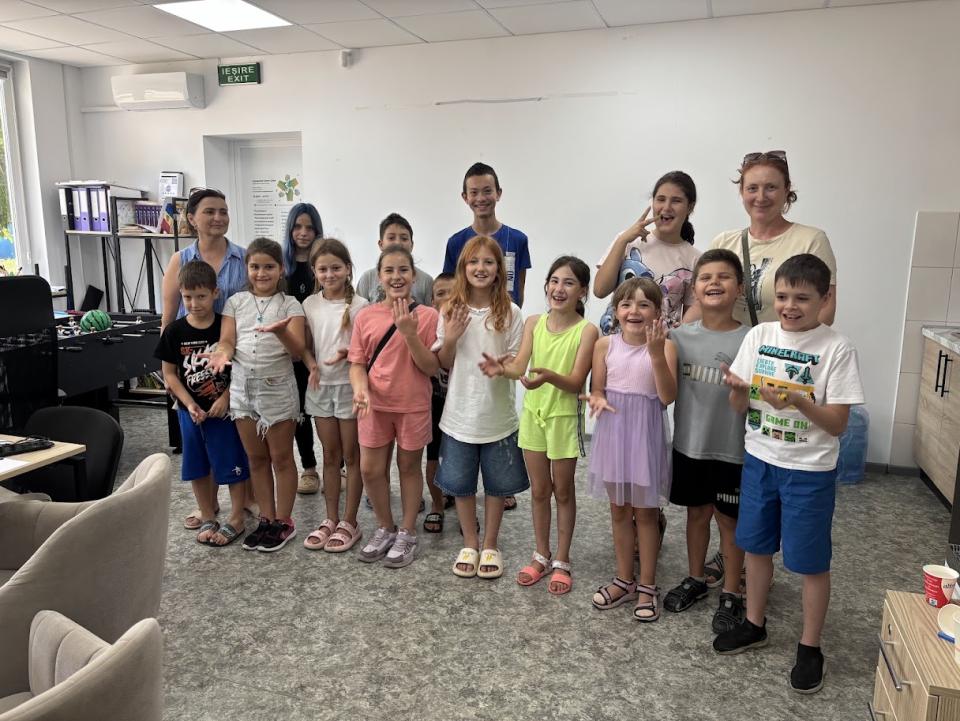
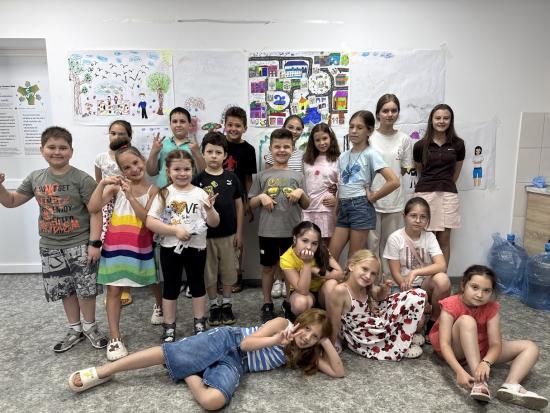
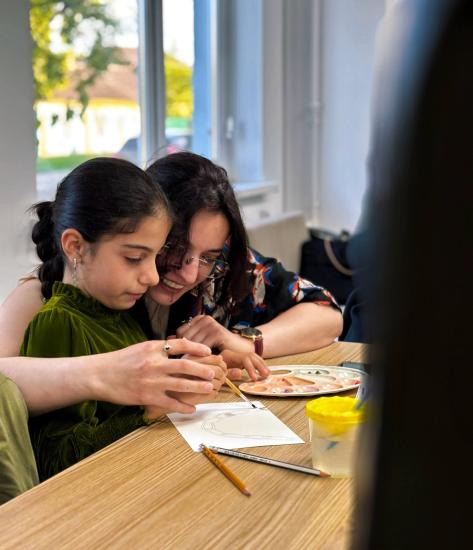
Between 13–17 July 2026, the Regional Center for Community Development organized the second social cohesion camp for refugee children and children from the local community.
The camp was dedicated to children aged 8 to 12 and aimed to create a safe, friendly and inclusive space where participants could interact, communicate, collaborate and learn through non-formal activities.
The activity program was built around topics relevant to children’s personal and social development: self-awareness, online safety, friendship, healthy relationships and emotional management.
Over the course of five days, the children took part in interactive exercises, activities with training elements, mobile games, reflection activities and group exercises. Through these activities, participants had the opportunity to express their ideas, develop communication skills, better understand their own emotions and build relationships based on trust and mutual respect.
The activities included exercises such as “The Story of My Name,” “My Portrait,” “The First Journey on the Internet,” “Internet Risks,” “The Portrait of Friendship,” “Friendship versus Manipulation,” “The Compass of Emotions” and “Emotional Management Techniques.” These were complemented by interactive games and movement activities that encouraged cooperation, attention, teamwork and socialization among children.
Through this camp, CRDC continued to promote social cohesion and the inclusion of children from different backgrounds, offering them a context in which they could get to know one another, support each other and participate together in educational and recreational activities.
The organization of the second camp reconfirms CRDC’s commitment to contributing to the development of safe and inclusive community spaces where refugee children and children from the local community can interact naturally and build positive relationships.
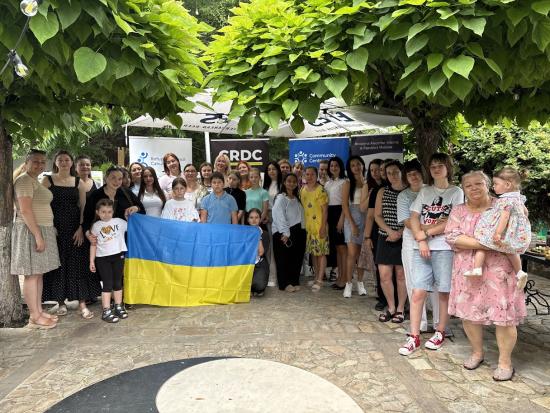
We thank the children for their participation and involvement, the parents for their trust, the facilitators for their contribution and the partners who supported the successful implementation of the activities.
This project is implemented with the financial support of the European Union, contracted by ICMPD through the Migration Partnership Facility. Its content is the sole responsibility of the Regional Center for Community Development and does not necessarily reflect the position of the European Union