Русский
  Română



“LEADERS WHO UNITE” – Nataliia Yurova: from Vinnytsia to Cahul, a story about the courage to start over and the strength to rebuild one’s life
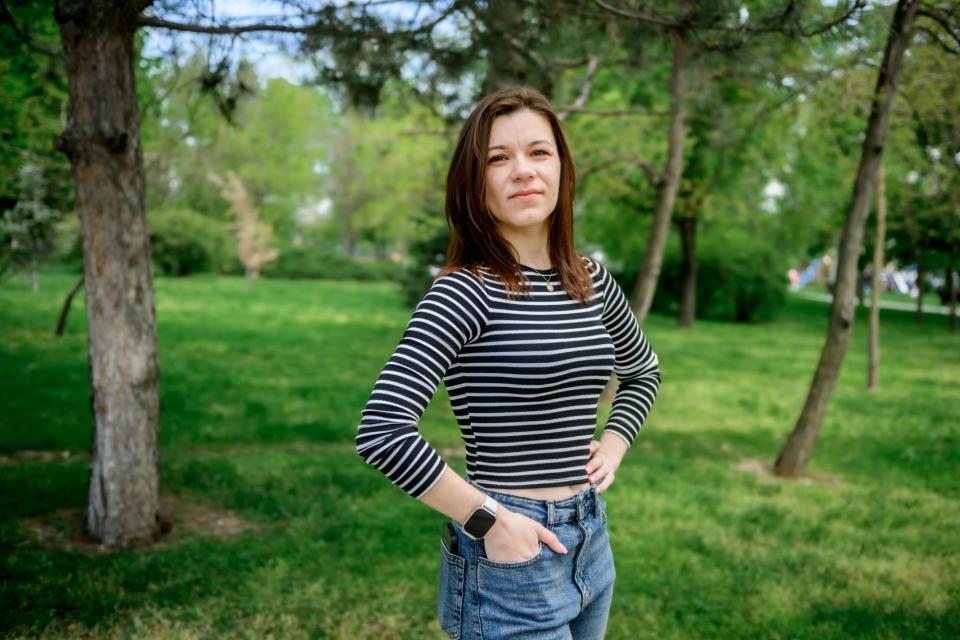
Natalia Iurova is originally from Vinnytsia, Ukraine, where she had a calm and settled life. She lived in her own house, two of her children went to school, and she was on childcare leave with her third child. Although she graduated from the Customs Service Academy, during her maternity leave she began learning the art of manicure on her own.
The move to Cahul came suddenly and with a strong emotional weight. She had to leave behind her home and the life she knew, but caring for her children and the desire to offer them a safer future helped her find strength. In Cahul, Natalia started from zero, took courses, worked in a salon, and later opened her own manicure studio.
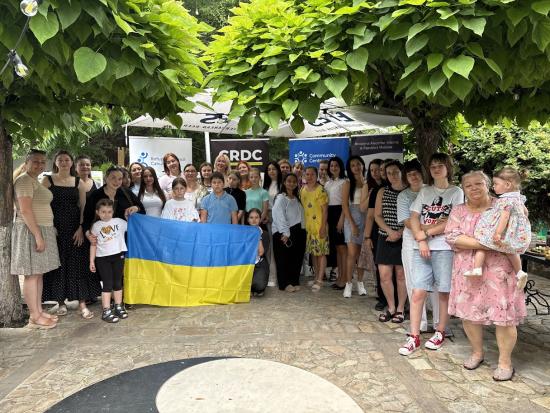
The interview is part of the “Women Leaders Who Unite” campaign, through which the Regional Center for Community Development brings forward the stories of refugee and migrant women who, through courage, engagement and solidarity, contribute to strengthening the community in Cahul.
Natalia, tell us a little about yourself. What was your life like before moving to Cahul, and what were you doing?
Back in Ukraine, I had a calm and clear life. I felt that everything was in its place. I lived in my own house, two of my children went to school, and I was on childcare leave with my third child, fully dedicated to my family.
I graduated from the Customs Service Academy, but while on maternity leave, I began learning manicure on my own.
How did this new stage of life and the move to another country begin for you?
This stage began suddenly and very emotionally. When you are forced to leave your home and the life you were used to, it is hard to describe in words.
There was a lot of anxiety, fear and uncertainty about what would come next.
But at the same time, an inner feeling appeared that I had to pull myself together and move forward — for my children and for their future.
How did your adaptation in Cahul go? What helped you feel more confident and more “at home”?
Adaptation was not immediate. At first, it felt as if you were learning to live again: in another city, among new people. But gradually, things began to fall into place.
It was in Cahul that I became a manicure specialist.
I started from zero, took courses, and then I was offered the opportunity to stay and work in that salon. I worked there for a year and a half, and later decided to take the next step — to open my own studio. This path gave me confidence and a sense of support. When you see yourself growing and people trusting you, you begin to understand that you have not lost yourself, but have managed to rebuild your life.
What are you doing today?
Today, I work as a manicure specialist and develop my own activity. Although I have a diploma from the Customs Service Academy, at first I was offered completely different jobs here — as a postwoman, cleaner or cook.
It was a difficult moment, and it weighed heavily on me emotionally. But over time, I found the strength within myself to start again. Today, I have my own working space and an activity that I love.
How do you see your contribution to the life of the Cahul community today?
I see my contribution through what I do every day. Through my work, I create small moments of joy and confidence for women.
And perhaps, through my own example, I show that even after difficult events, you can avoid giving up, rebuild your life and become part of a new community.
What would you like to say to the people of Cahul and to other communities that receive and support refugees?
I want to sincerely thank them for their warmth, support and openness. When you arrive in a new country, these things have enormous importance.
Thanks to such people, you begin to feel that you are not alone, that you have support. This is exactly what gives you the strength to move forward and believe that a new, dignified life can lie ahead.
This material was produced with the financial support of the European Union, contracted by ICMPD through the Migration Partnership Facility. Its content is the sole responsibility of the Regional Center for Community Development and does not necessarily reflect the position of the European Union.