Русский
  Română



“LEADERS WHO UNITE” – Alla Chumak: from Izmail to Cahul, a story of family, adaptation and the joy of creating
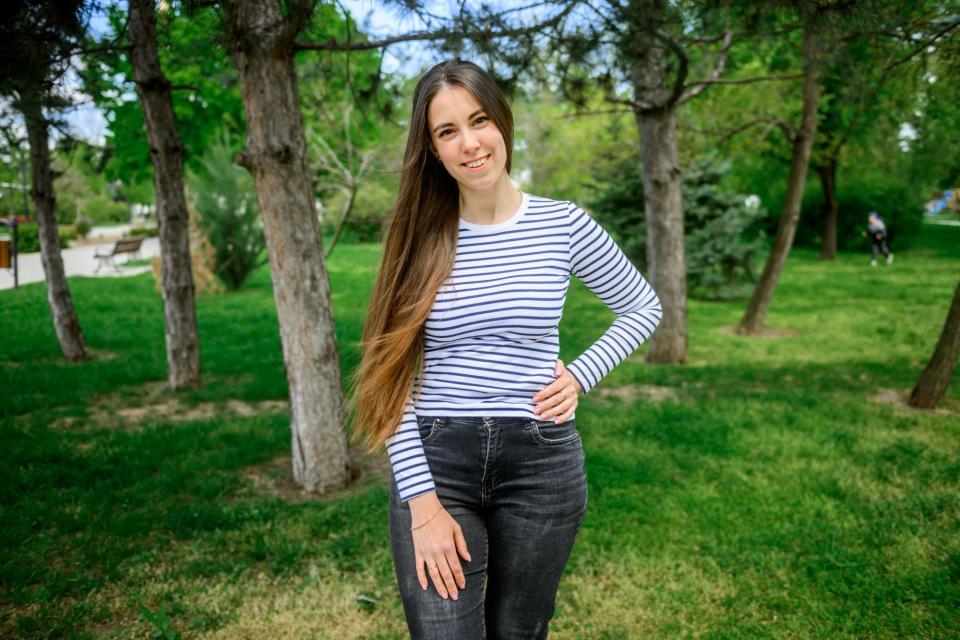
Alla Chumak is originally from Izmail, a small and welcoming city in the south of Odesa region, Ukraine. Before arriving in Cahul, her life was connected to family, raising her child and her passion for confectionery, which she discovered during her childcare leave.
The move to Cahul was driven by the need for safety. Being close to the Danube and the port area, her hometown became an unsafe place once the war began. Alla arrived in Cahul together with her two children, and today, through the desserts she creates, she brings joy, warmth and small moments of celebration into the community.
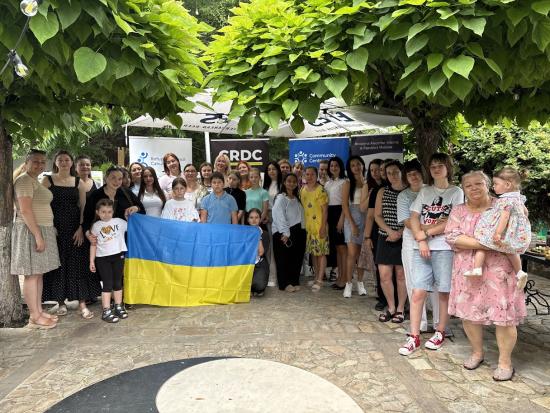
The interview is part of the “Women Leaders Who Unite” campaign, through which the Regional Center for Community Development brings forward the stories of refugee and migrant women who, through courage, engagement and solidarity, contribute to strengthening the community in Cahul.
Alla, tell us a little about yourself. What was your life like before moving to Cahul, and what were you doing?
Before moving to Cahul, I lived in the city of Izmail, in the south of Odesa region. Before my child was born, I worked as a land management engineer in a company. Then came my first childcare leave, a period in which I discovered myself not only as a mother, but also discovered my talent as a confectioner. This is what I continue to do today.
How did this new stage of life and the move to another country begin for you?
The city of Izmail is located on the banks of the Danube, where there is also a large port. With the beginning of the war, living near such places became very dangerous, and our family decided to leave for a safer place.
Why Cahul? We had close friends, godparents and a few acquaintances here. In a way, Cahul reminded us of our hometown, so we came here.
At that time, I moved by car alone with my two children. The youngest was not even a year and a half old. It was not easy at all. A new city, new places, everything was completely different.
How did your adaptation in Cahul go? What helped you feel more confident and more “at home”?
Thanks to familiar faces, the hospitality of local residents and the support of other Ukrainians, we adapted quite quickly. It mattered a lot that we did not arrive in a completely foreign place without any reference points.
The people we knew, as well as the openness of Cahul residents, helped us feel safer and gradually get used to the new reality.
What are you doing today?
Today, I bring joy through the confectionery products I create for children, families and important moments. I can say that my activity as a confectioner developed specifically in Cahul.
I tried to participate in community events and Romanian language courses, and this gave me the opportunity to stay connected to what was happening around me and to feel more confident in this community.
How do you see your contribution to the life of the Cahul community today?
I see my contribution through what I create. My work is not just about desserts. It becomes part of people’s joy: children’s celebrations, family events and important dates.
I put warmth and care into every product, and it is important to me that my work becomes part of someone’s happy memories.
During this time, I have met many people and started to feel part of the city. I believe that my contribution lies in creating an atmosphere of comfort, joy and small celebrations for residents.
I am grateful for the opportunity to be useful.
What would you like to say to the people of Cahul and to other communities that receive and support refugees?
I want to sincerely thank the residents of Cahul and all the communities that support refugees.
Your kindness, openness and willingness to help provide a sense of safety and hope. When you arrive in a new country under difficult circumstances, it is especially important to feel that you are not alone.
Because of you, a foreign city became closer and warmer.
This material was produced with the financial support of the European Union, contracted by ICMPD through the Migration Partnership Facility. Its content is the sole responsibility of the Regional Center for Community Development and does not necessarily reflect the position of the European Union.