Русский
  Română



„LEADERS WHO UNITE” – Hanna Tokotieva: about the courage to start over and the power to build community
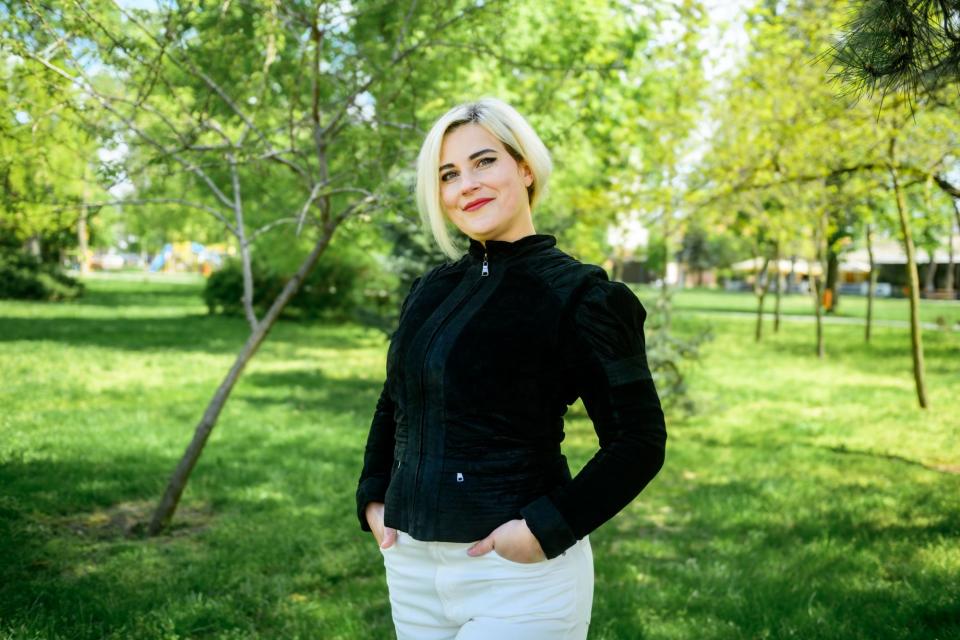
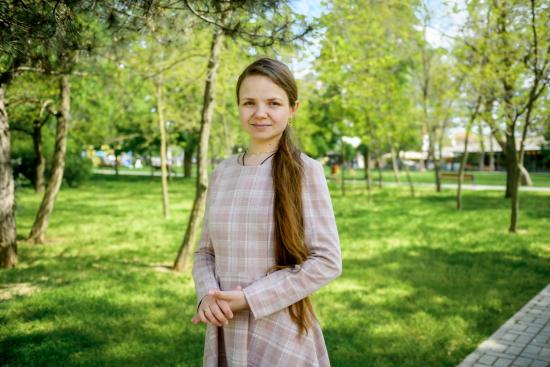
Ana Tecoteva is originally from Dnipro, Ukraine. Before arriving in the Republic of Moldova, she worked as an economist at the Prydniprovska Railway Administration. Her life was calm and settled, close to her family, friends and the places where she had grown up since birth.
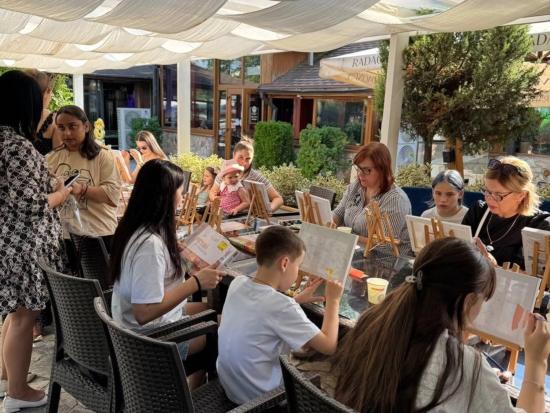
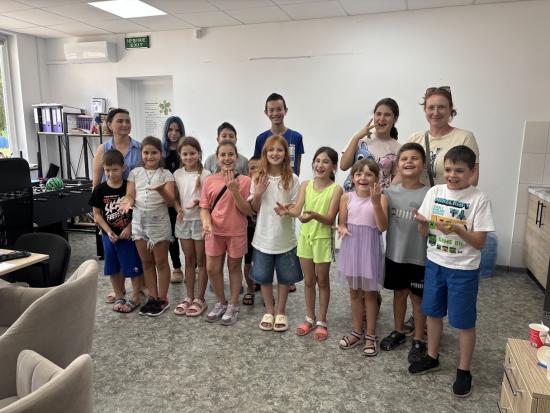
What initially seemed like a temporary departure turned into a new stage of life. After a period spent in the village of Carbalia, Ana and her family moved to Cahul, where she found open people, support and a city in which she gradually began to rebuild her life. Today, Ana is developing a business dedicated to organizing celebrations and animation activities for children, bringing joy into the lives of families in Cahul.
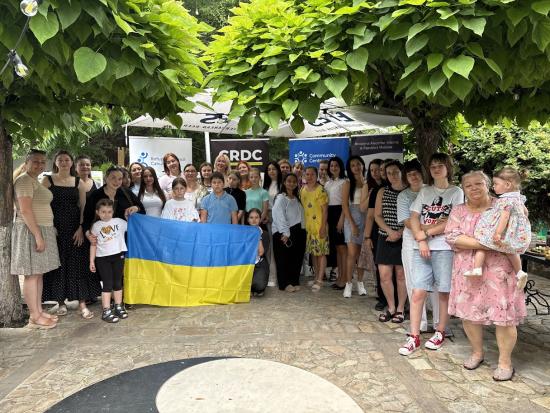
The interview is part of the “Women Leaders Who Unite” campaign, through which the Regional Center for Community Development brings forward the stories of refugee and migrant women who, through courage, engagement and solidarity, contribute to strengthening the community in Cahul.
Ana, tell us a little about yourself. What was your life like before moving to Cahul, and what were you doing?
In Ukraine, I worked as an economist at the Prydniprovska Railway Administration. When we moved to Moldova, I was on childcare leave with my middle daughter and was pregnant with my third child.
I had a calm, settled life, with many relatives and friends close by. My whole life was connected to the place where I was born and grew up.
I never imagined that, for four years already, my family and I would not be able to return home, breathe the air of our native places and see our loved ones.
How did this new stage of life and the move to another country begin for you?
At that time, I thought we were leaving for one month to stay with my husband’s parents, and then we would return to Dnipro. We had often travelled to Moldova before, so I did not see anything unusual in this departure.
No one thought that a full-scale war would begin. I did not even consider the possibility of staying in Moldova for such a long time.
At first, we arrived in the village of Carbalia and started settling there. Later, however, we realized that life in the village was more difficult with children, and we moved to Cahul.
How did your adaptation in Cahul go? What helped you feel more confident and more “at home”?
I liked Cahul even when we were living in Carbalia. We often came here, either for shopping, to the health centre or for other needs. I liked that the city is small, that everything is close by, that there are no queues like in Dnipro, and that it is clean and peaceful.
From the first days in Cahul until today, there have only been good people on my path and around me. Perhaps I am protected by a guardian angel. No resident of Cahul has ever said anything bad to me. Sometimes people asked why I did not know the language, but when I explained the situation, everyone was understanding.
I felt more confident because I found friends here and many acquaintances. Meetings with other Ukrainians at different events and activities helped me understand that I am not alone and that my situation is not the hardest or impossible to overcome.
As for feeling that I am “one of the locals,” I do not know; I am not sure I have reached that point. I still feel drawn home, and I feel that in Cahul I am, in a way, a guest.
What are you doing today?
In 2025, I received a grant to start a business. After much reflection, I decided to open a celebration and animation studio — Royal Day.
For now, we are only at the beginning, and not many people know about us yet, but there are already first results: people recommend us, and the feedback is positive. At the moment, we organize celebrations for children, but in the future we would like to reach a wider audience of different ages.
In the past, I participated in various activities for refugees, and I am still open to getting involved. However, there are fewer activities now, and work does not always allow me to be as active as I would like.
How do you see your contribution to the life of the Cahul community today?
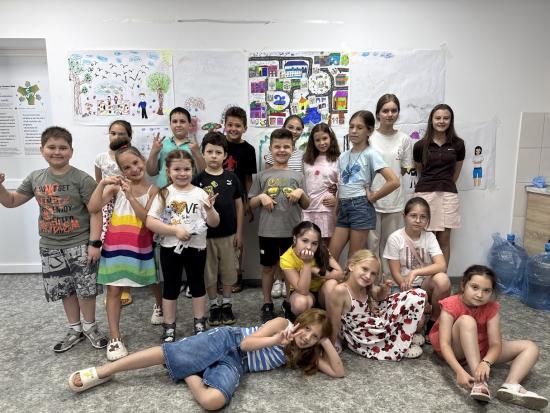
I think we make the lives of Cahul residents more cheerful and carefree. It is very pleasant when children run to me to hug me, greet me or tell me something important to them.
Perhaps this is my contribution — a contribution to the future of Cahul. Children are the future, and the future will depend on how we raise them, encourage them and offer them joy.
What would you like to say to the people of Cahul and to other communities that receive and support refugees?
I want to say a huge thank you for your open hearts, for your kindness and for your willingness to listen and help. Feeling that you are not alone in a foreign country is a very great blessing.
I tell many people from Cahul that I would very much like, after the war ends, to see them at my home, to show them our city, so they can feel the hospitality that I feel every day in Cahul.
I truly want to give these people the warmth and care that they so generously give me. Once again, I say a heartfelt thank you to them.
This material was produced with the financial support of the European Union, contracted by ICMPD through the Migration Partnership Facility. Its content is the sole responsibility of the Regional Center for Community Development and does not necessarily reflect the position of the European Union.