Русский
  Română



“LEADERS WHO UNITE” – Iryna Koblyk: from Kherson to Cahul, a story about the courage to start over and care for children
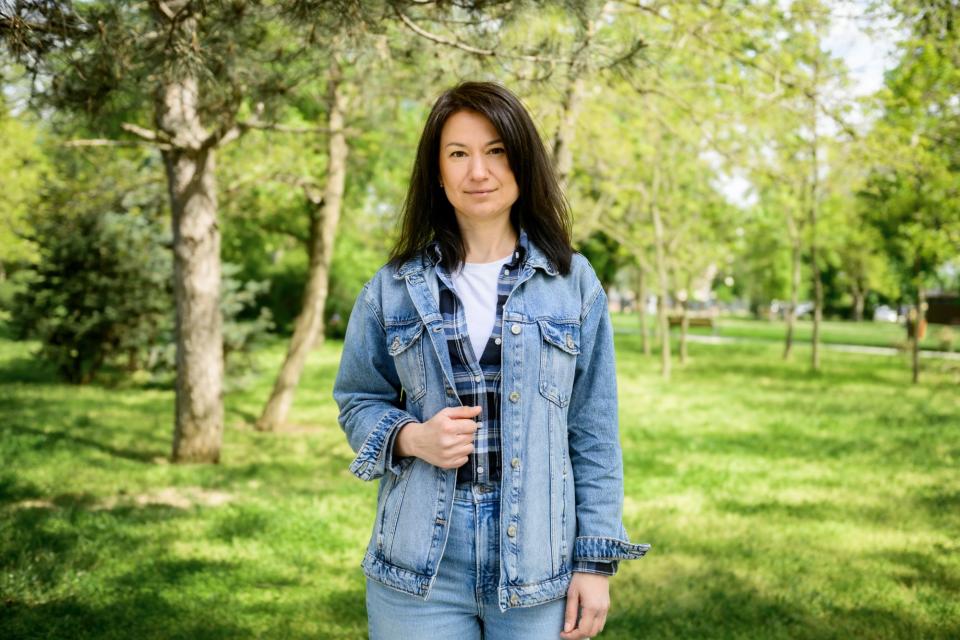
Irina Koblik is originally from Kherson, Ukraine. Before arriving in Cahul, she lived an ordinary life: she worked, was building her house and cared for her family. In 2023, due to the security situation, she was forced to leave Ukraine together with her daughter, who was only four months old at the time.
The forced move to another country was a difficult and stressful stage, but caring for her child helped her find the strength to pull herself together and move forward. Today, Irina has a job and, with the support of a project, managed to open a small business — a children’s playroom, where she wants to create a safe, clean and welcoming space for young children and their parents.
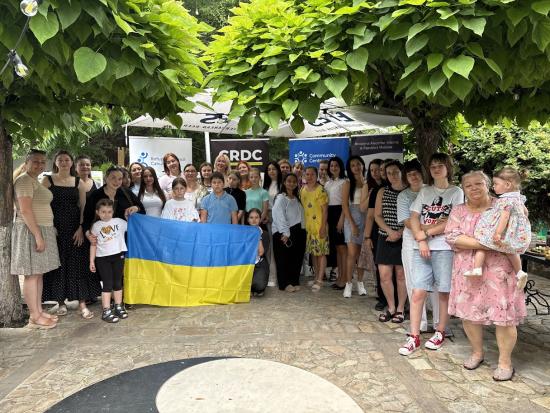
The interview is part of the “Women Leaders Who Unite” campaign, through which the Regional Center for Community Development brings forward the stories of refugee and migrant women who, through courage, engagement and solidarity, contribute to strengthening the community in Cahul.
Irina, tell us a little about yourself. What was your life like before moving to Cahul, and what were you doing?
Before leaving, I had an ordinary life: I worked, was building my house and cared for my family. In 2023, because of the situation, I was forced to leave my home.
At that time, my daughter was only four months old.
How did this new stage of life and the move to another country begin for you?
It was a truly stressful period. A forced move under such circumstances is very difficult. But I had a small child in my arms, and I understood that I had to pull myself together, find strength and adapt.
How did your adaptation in Cahul go? What helped you feel more confident and more “at home”?
The first months were not easy. What helped me the most was the fact that there are many Russian-speaking people in Cahul, and there was almost no language barrier.
This is exactly what helped me stay here and continue my life in Cahul.
What are you doing today?
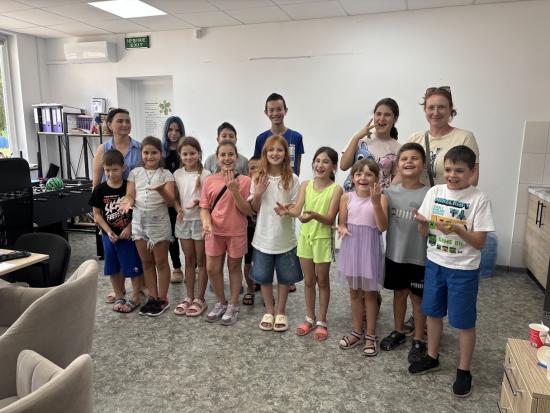
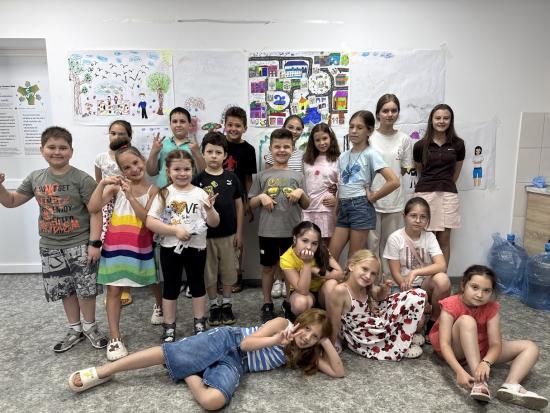
At present, I have a job thanks to a project. With its support, I managed to open a small business — a children’s playroom.
I try to create a warm and welcoming space for children and parents.
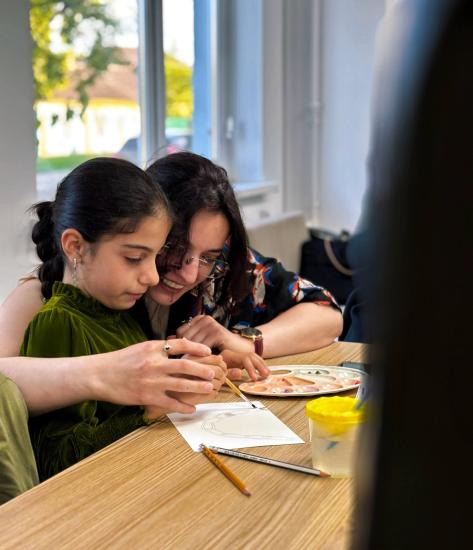
I want this to be a place where children feel good, play and develop, while parents can breathe for a moment, rest or take care of the things they need to do.
How do you see your contribution to the life of the Cahul community today?
I see my contribution through the business I am developing in Cahul. I hope that what I do is useful and that this playroom is truly needed by the community.
It is a safe, clean and comfortable place where the youngest children can begin to play and develop, while mothers can rest a little or take care of what they need.
I believe that such spaces also matter for the community, because they offer support to young families, small children and parents who need a safe and friendly place.
What would you like to say to the people of Cahul and to other communities that receive and support refugees?
To all people, especially those who interact with refugees, I would like to say one thing: before judging us, think about the fact that this was not our choice.
We were forced to leave our own homes with small children in our arms and start life from zero in countries that were foreign to us. Try to imagine what it would be like if you had to move: another language, another home, another job, no friends, no relatives, nothing familiar.
It is very difficult. You cannot fully understand it until you have lived through what we lived through, but we ask you at least to think about it.
We pray every day for those who stayed at home.
This material was produced with the financial support of the European Union, contracted by ICMPD through the Migration Partnership Facility. Its content is the sole responsibility of the Regional Center for Community Development and does not necessarily reflect the position of the European Union.