Русский
  Română



“LEADERS WHO UNITE” – Anna Vadaturska: from Odesa to Cahul, a story of adaptation, creativity and the power to bring beauty into the community
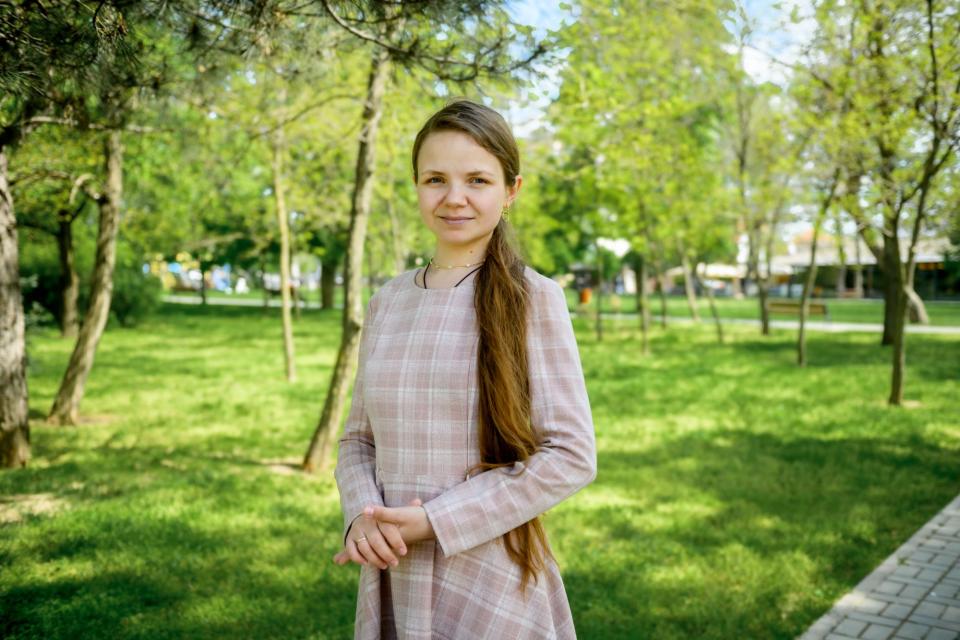
Anna Vadaturskaia is originally from Odesa, Ukraine, and has been living in Cahul since 2023. Before arriving in the Republic of Moldova, she was on childcare leave, raising two small children, and her life was largely connected to family and caring for the children.
After moving, Anna tried to continue an activity that brought her joy and meaning: creating accessories for girls. Today, even though most of her time is dedicated to her children, she continues to create, sell handmade products and bring a little beauty, warmth and calm into the lives of those around her.
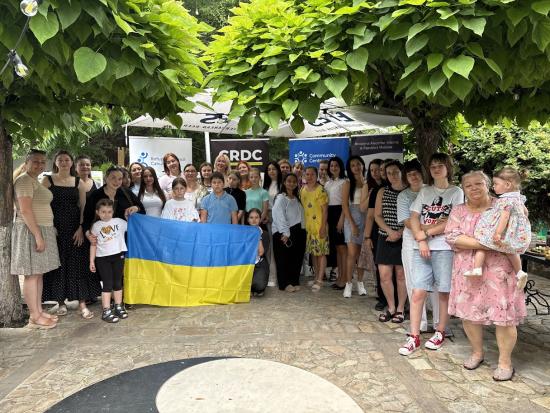
The interview is part of the “Women Leaders Who Unite” campaign, through which the Regional Center for Community Development brings forward the stories of refugee and migrant women who, through courage, engagement and solidarity, contribute to strengthening the community in Cahul.
Anna, tell us a little about yourself. What was your life like before moving to Cahul, and what were you doing?
Before moving to Cahul, I was a mother on childcare leave. At that time, I had two children, aged 3 and 1.5 years, and my life was connected to raising them.
At the same time, I sometimes took orders and made accessories for girls. I tried to continue this activity after moving to Cahul as well.
How did this new stage of life and the move to another country begin for you?
It was difficult, but at the same time interesting.
The difficulties were mainly related to the need to immediately provide comfortable living conditions for the children.
We, as adults, can tolerate certain inconveniences, but children cannot. For them, it was important to feel safety, stability and care.
At the same time, everything around them was new: walks in places they had never been before, Moldovan culture, people, the city. From this point of view, the beginning was also a new experience that we discovered together.
How did your adaptation in Cahul go? What helped you feel more confident and more “at home”?
I began to feel more confident, first of all, when I heard my native language, which I had known since childhood — Russian. This helped me feel closer to the people and to the space I was in.
Then, I was also helped by the fact that I started going to the Romanian Orthodox church and had the opportunity to take part in services. Even though the services were held in Romanian, I drew a connection with Church Slavonic, and the people there treated us with understanding.
I felt part of the local community when the mayor allowed us, women from Ukraine, to participate in fairs. That was when I could go out to the park and sell my handmade accessories.
What are you doing today?
Now my third child is 10 months old and needs me almost all the time. That is why, no matter how much I would like to take part in different activities, I do not always manage to do so.
I try to develop my Instagram blog and, at the same time, sell the products I create. Sometimes I receive orders for accessories from local women, and in this way I feel that I make their lives a little more beautiful.
How do you see your contribution to the life of the Cahul community today?
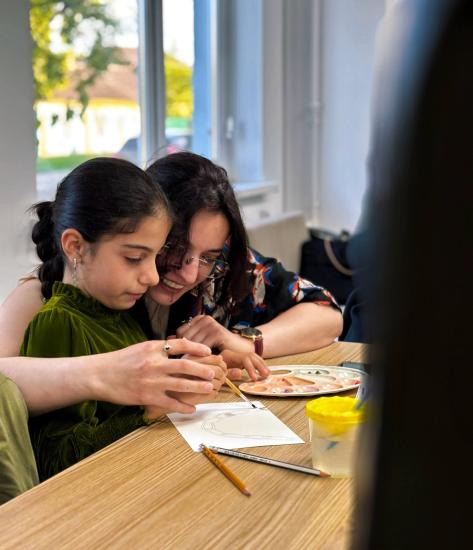
I see my contribution through what I create and through the way I try to bring a little beauty, warmth and calm into this space.
Sometimes even a simple accessory or a kind word can support a person. I believe that small things can have great value when they are made with care.
And perhaps I can also be an example: not to give up, even when it is difficult, and to continue creating.
What would you like to say to the people of Cahul and to other communities that receive and support people who come from other countries?
When you find yourself in a foreign country, you understand very clearly that no one owes you anything. That is why every act of kindness feels much more valuable.
To the people who help and welcome those who come from other countries, I would say:
“May all the good you give to others surely return to you.”
This material was produced with the financial support of the European Union, contracted by ICMPD through the Migration Partnership Facility. Its content is the sole responsibility of the Regional Center for Community Development and does not necessarily reflect the position of the European Union.