Русский
  Română


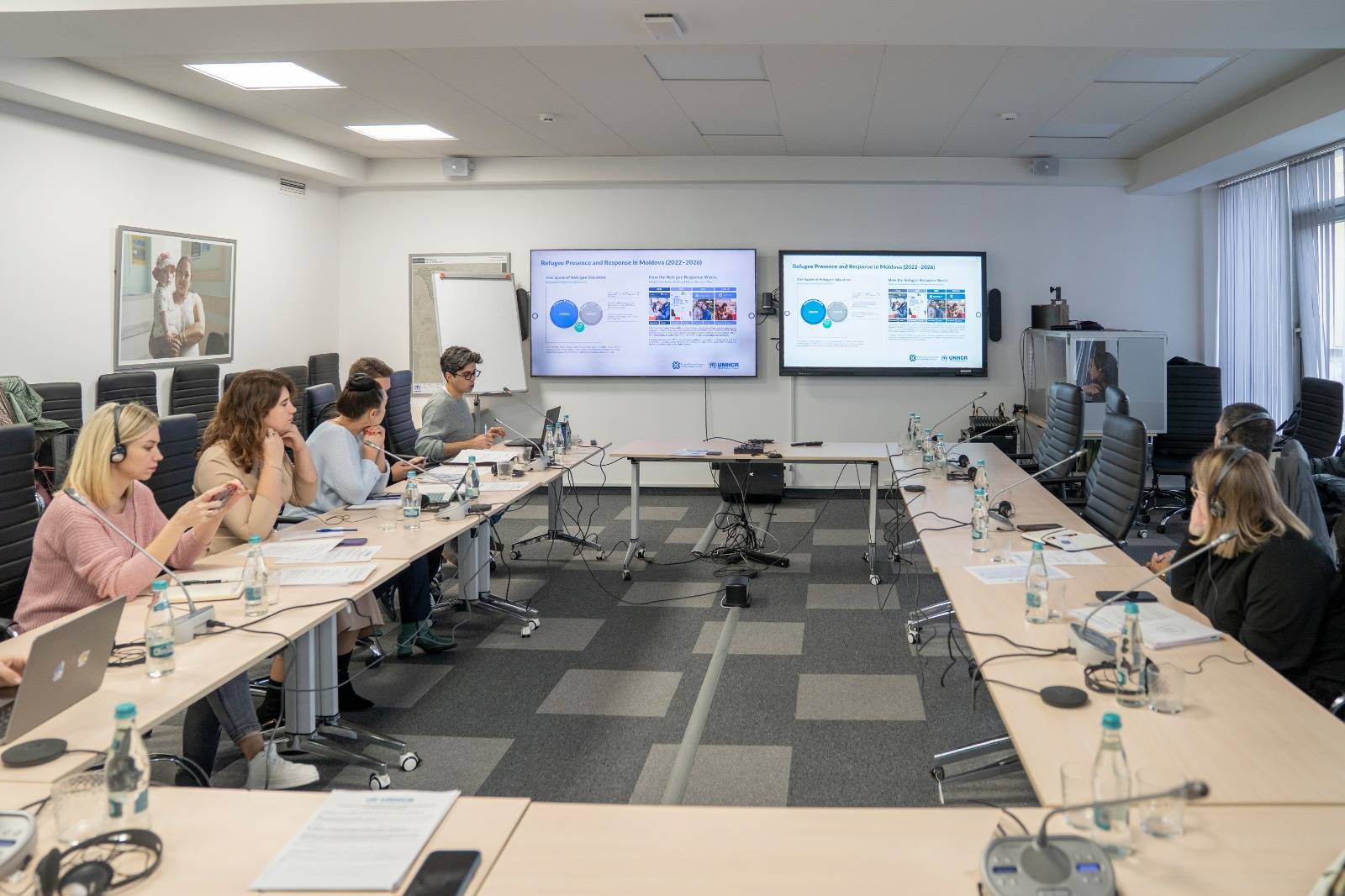
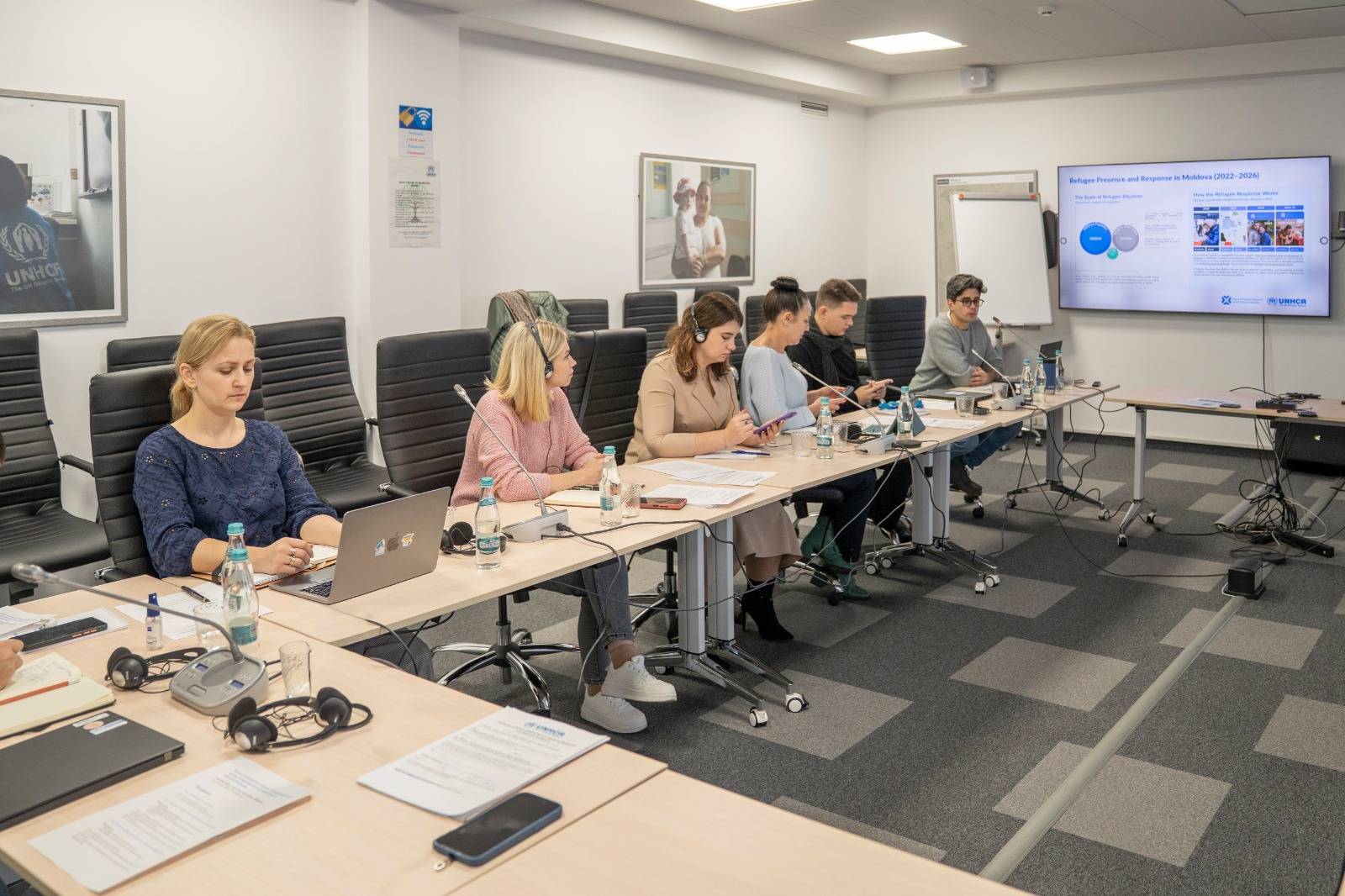
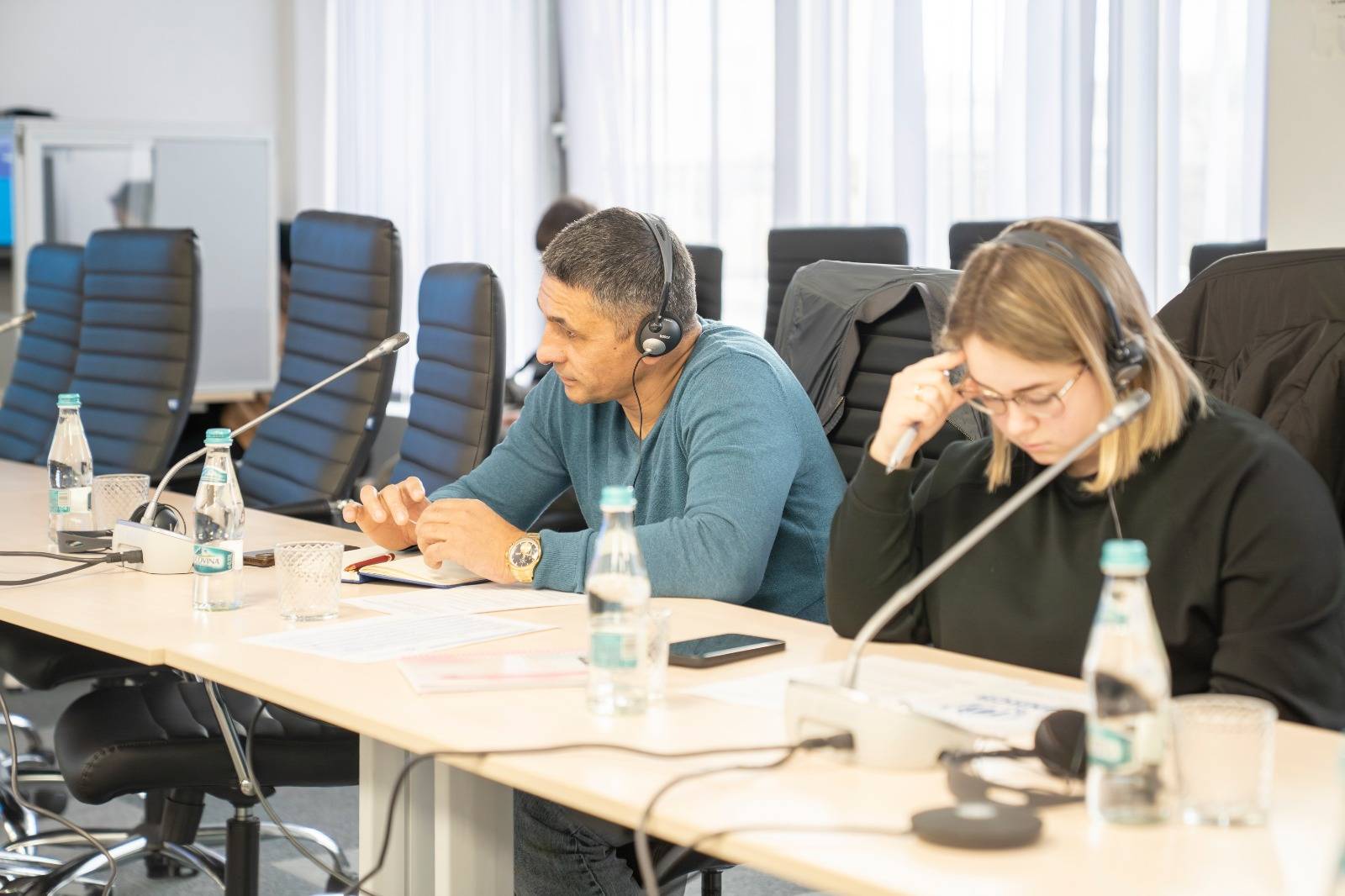
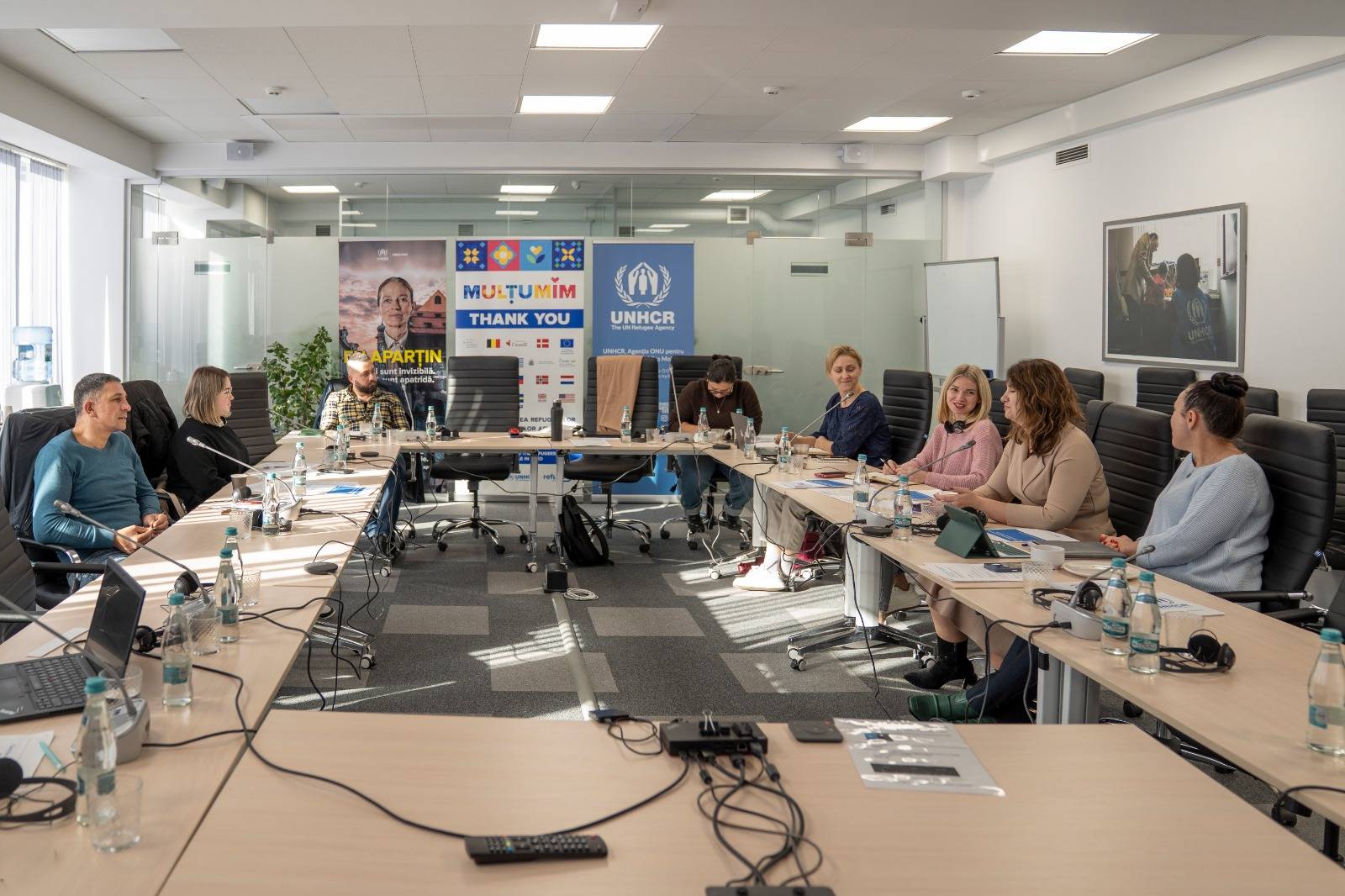
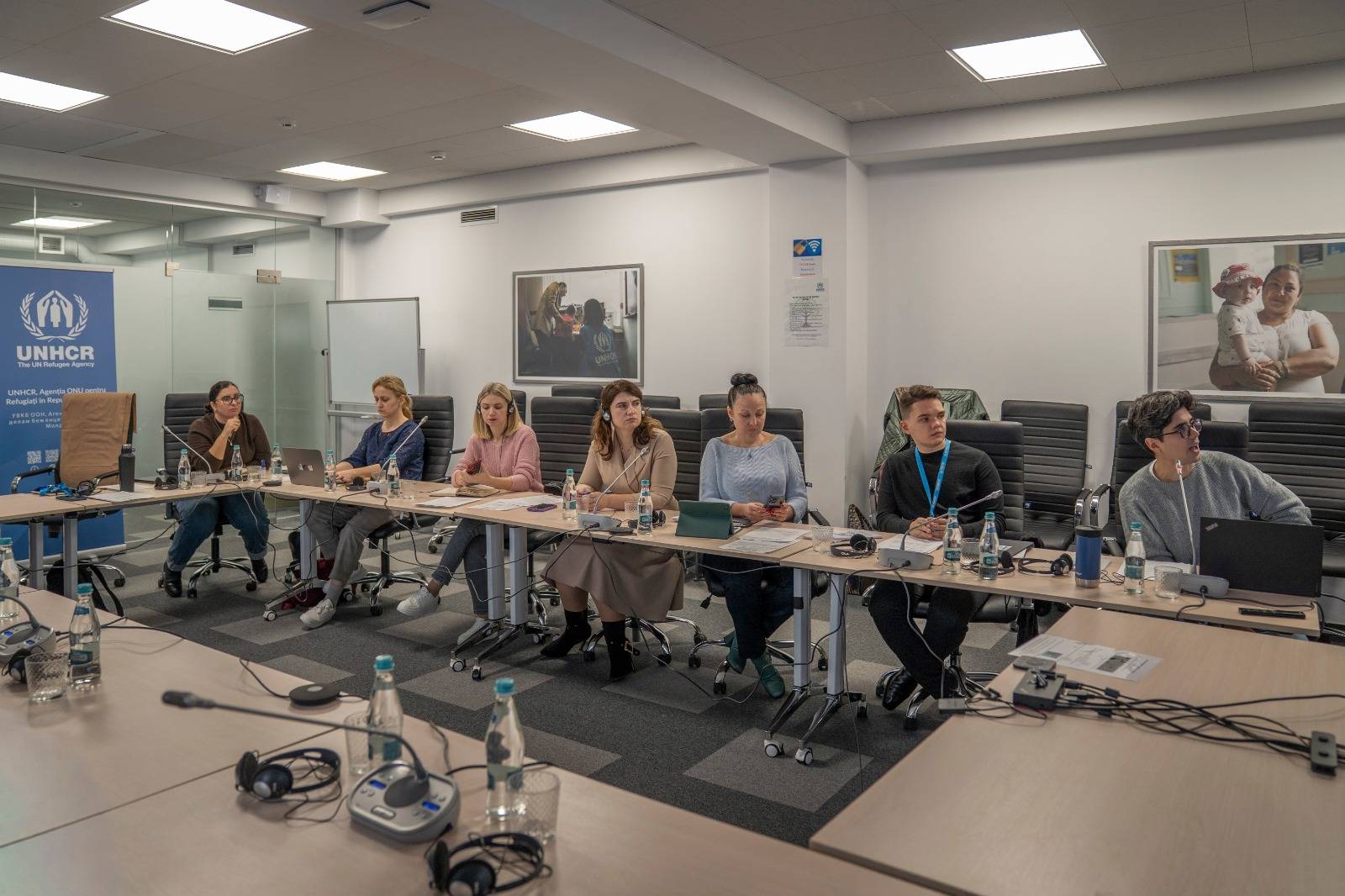
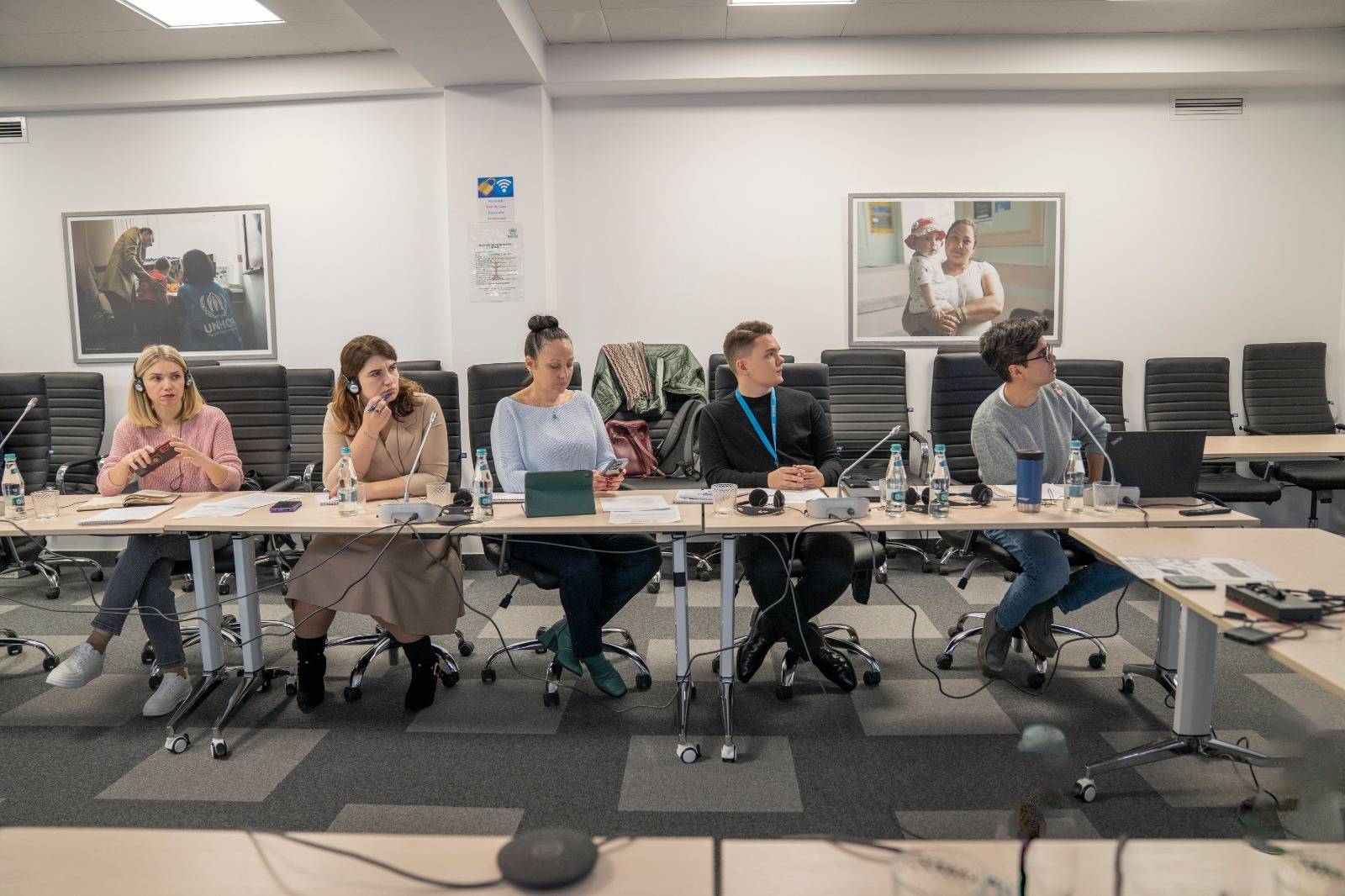
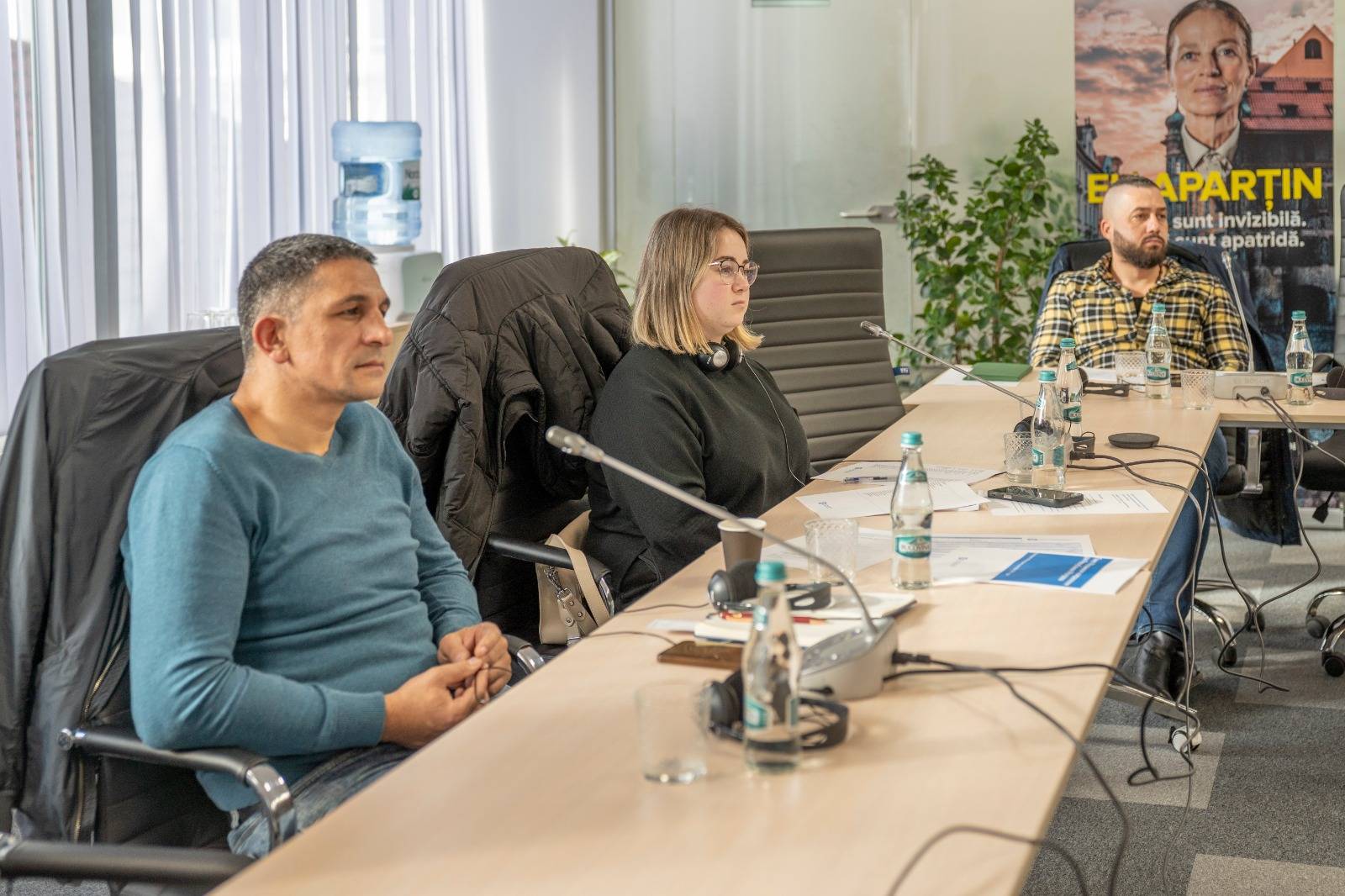
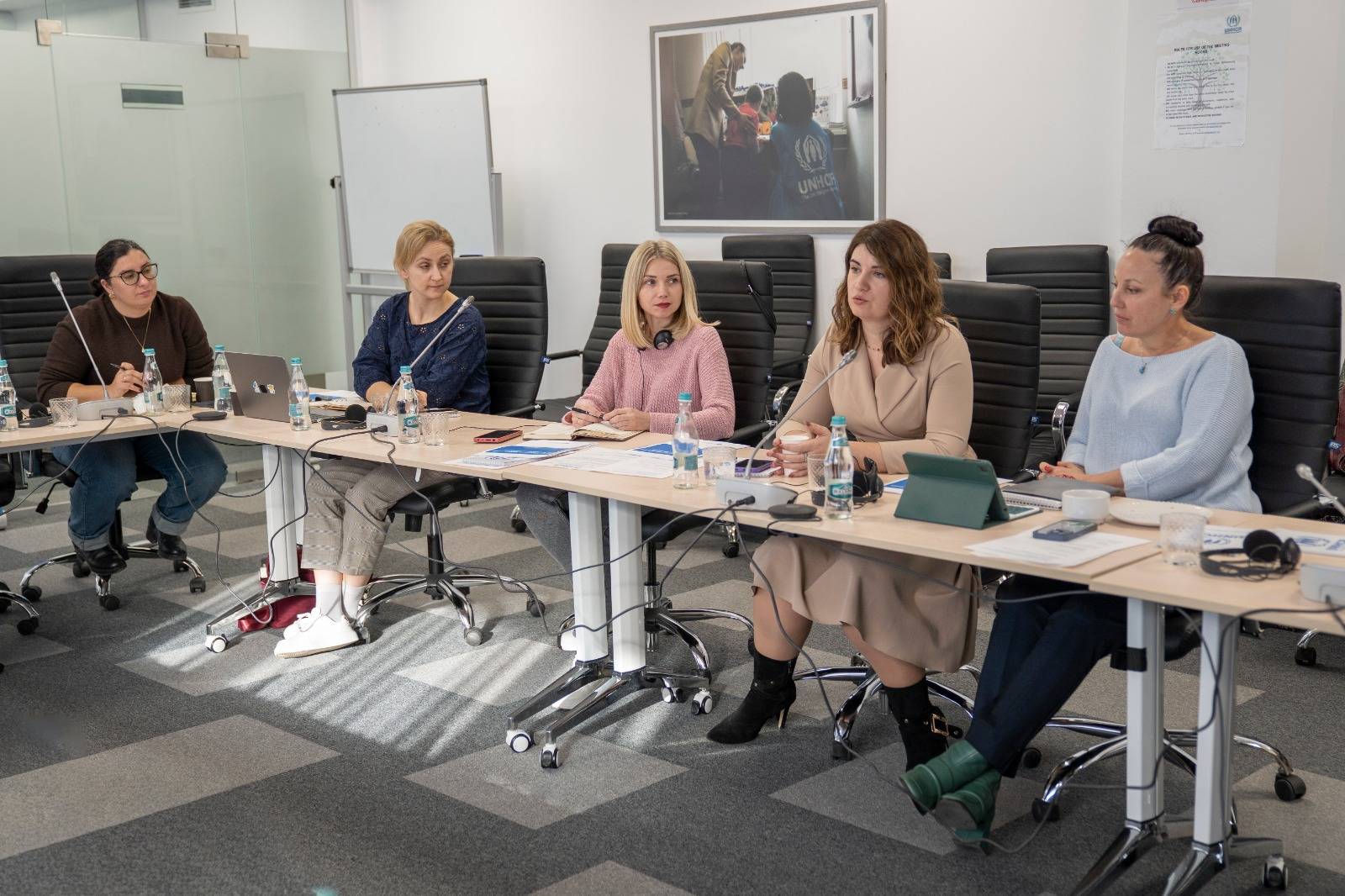
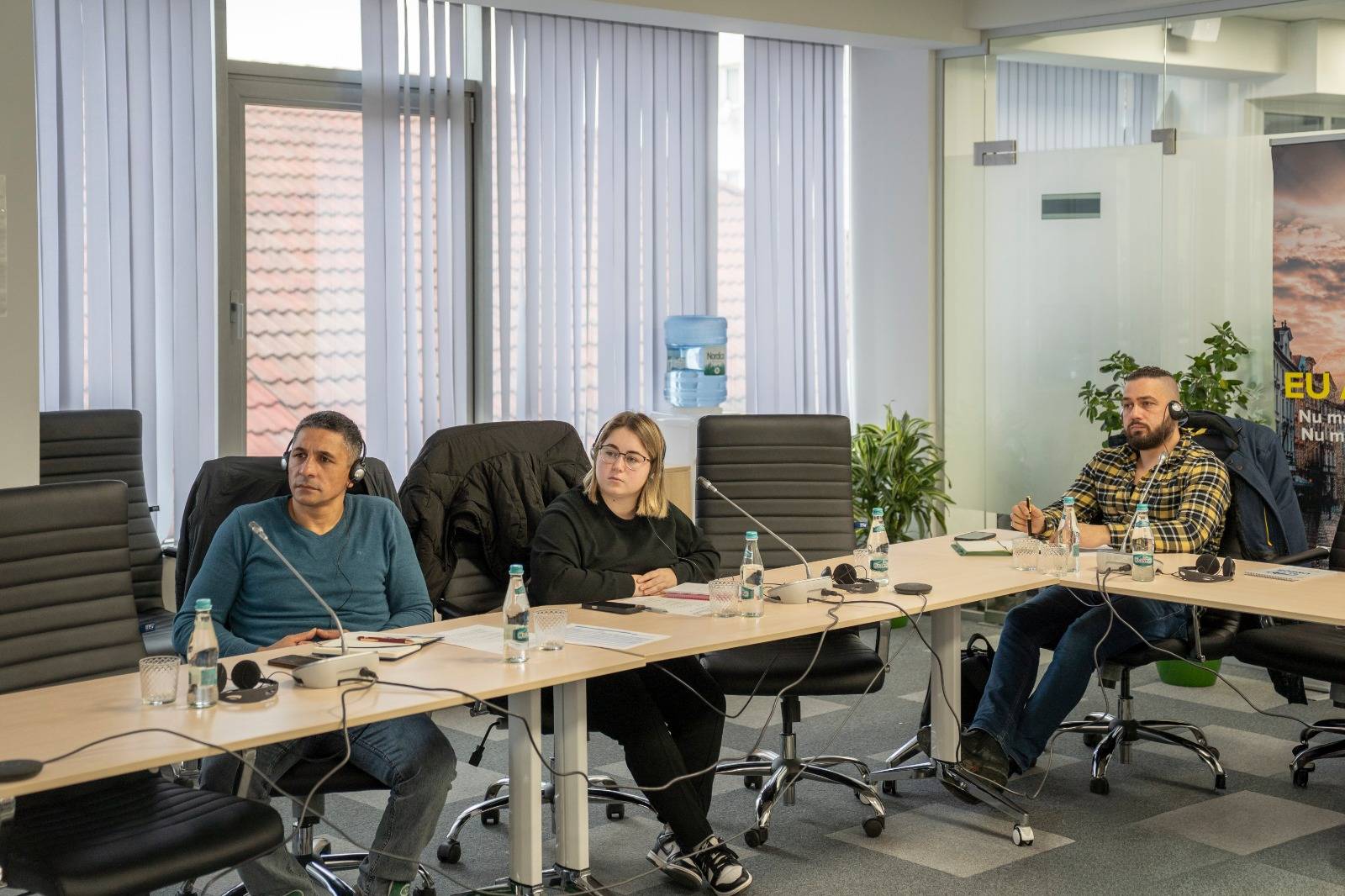
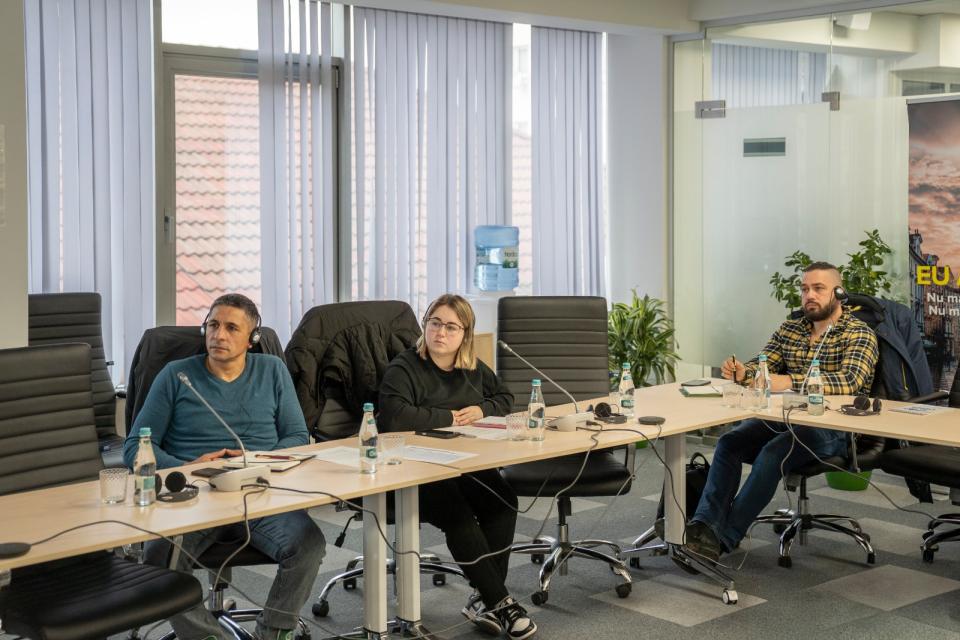
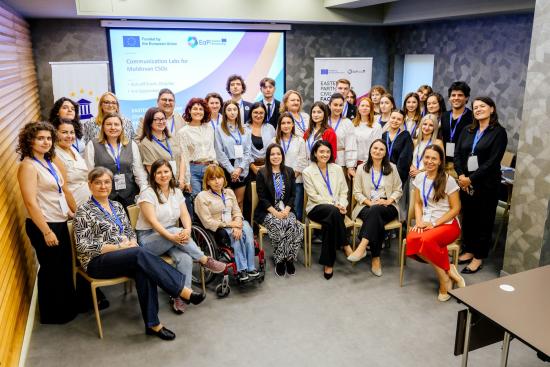
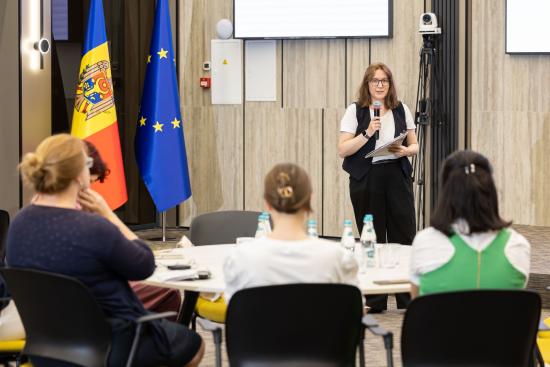
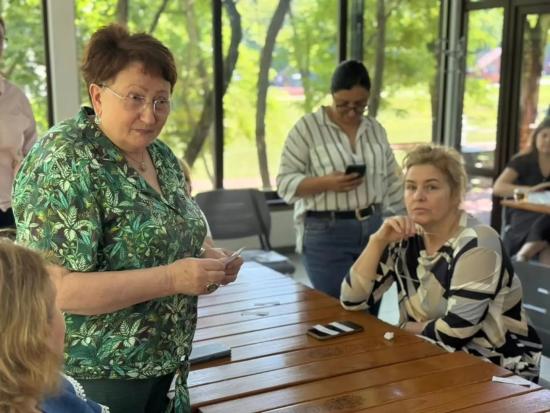
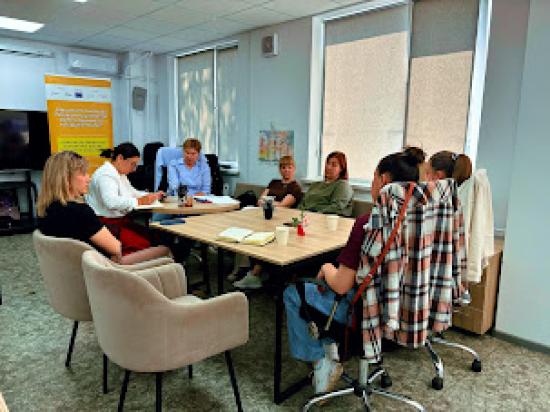
On 24 November 2025, the Regional Community Development Center (CRDC) participated in Chișinău, in its capacity as co-chair of the Local Refugee Coordination Forum (LRCF), in the capacity-building training organized by UNHCR Moldova for local LRCF co-chairs.
The event brought together representatives of civil society organizations directly involved in coordinating local platforms, at a time when the effectiveness of the response increasingly depends on the quality of cooperation between institutions, services, and community actors. In this context, the training focused on tools and approaches that help LRCF co-chairs manage coordination in a clear, coherent, and predictable manner—from planning and facilitation to defining responsibilities and maintaining a working framework that delivers results and protects people.
A key focus was placed on how local response can remain grounded in reality while also aligned with international standards. Discussions explored inter-agency coordination through the lens of the HDP (Humanitarian–Development–Peace) approach, which helps communities link immediate interventions with medium-term solutions and measures that support social cohesion. For co-chairs, this perspective matters because it transforms the LRCF platform from an information-sharing space into a working mechanism that can—through data and collaboration—influence more evidence-based local decisions.
In addition, a practical component addressed the protection environment and the functioning of local referral pathways—an essential topic when support for refugees requires coordinated, rapid, and safe interventions. The sessions discussed applied scenarios, roles, and collaboration tools among relevant actors, so that referrals are carried out correctly and responsibly, in line with protection principles.
The training also integrated the local advocacy dimension, with an emphasis on shaping messages and proposals based on evidence: data, field observations, and documented needs. Within the LRCF, advocacy is meaningful when it becomes a bridge between the community and authorities—not through general positions, but through clear, well-argued, and feasible recommendations supported by local stakeholders.
Special attention was given to the inclusion of persons with disabilities as a working standard, not a secondary topic. Concrete solutions were discussed to reduce access barriers and improve how local coordination can respond to diverse needs in the community, without leaving anyone out of interventions.
Finally, a dedicated module addressed Protection from Sexual Exploitation and Abuse (PSEA)—a topic closely linked to institutional accountability and community trust in support mechanisms. Standards, principles, and safe reporting mechanisms were clarified, as well as the importance of an approach centered on the safety and dignity of the affected person.
For CRDC, participating in this training strengthens the role we play within the LRCF: supporting functional local coordination that connects people to services, brings relevant actors to the same table, and keeps interventions within a framework of protection, inclusion, and accountability. We thank UNHCR Moldova for the organization and for the opportunity to align local practices with standards and tools that increase the effectiveness of the response in the community.
Photos credit: UNHCR Moldova.