Русский
  Română


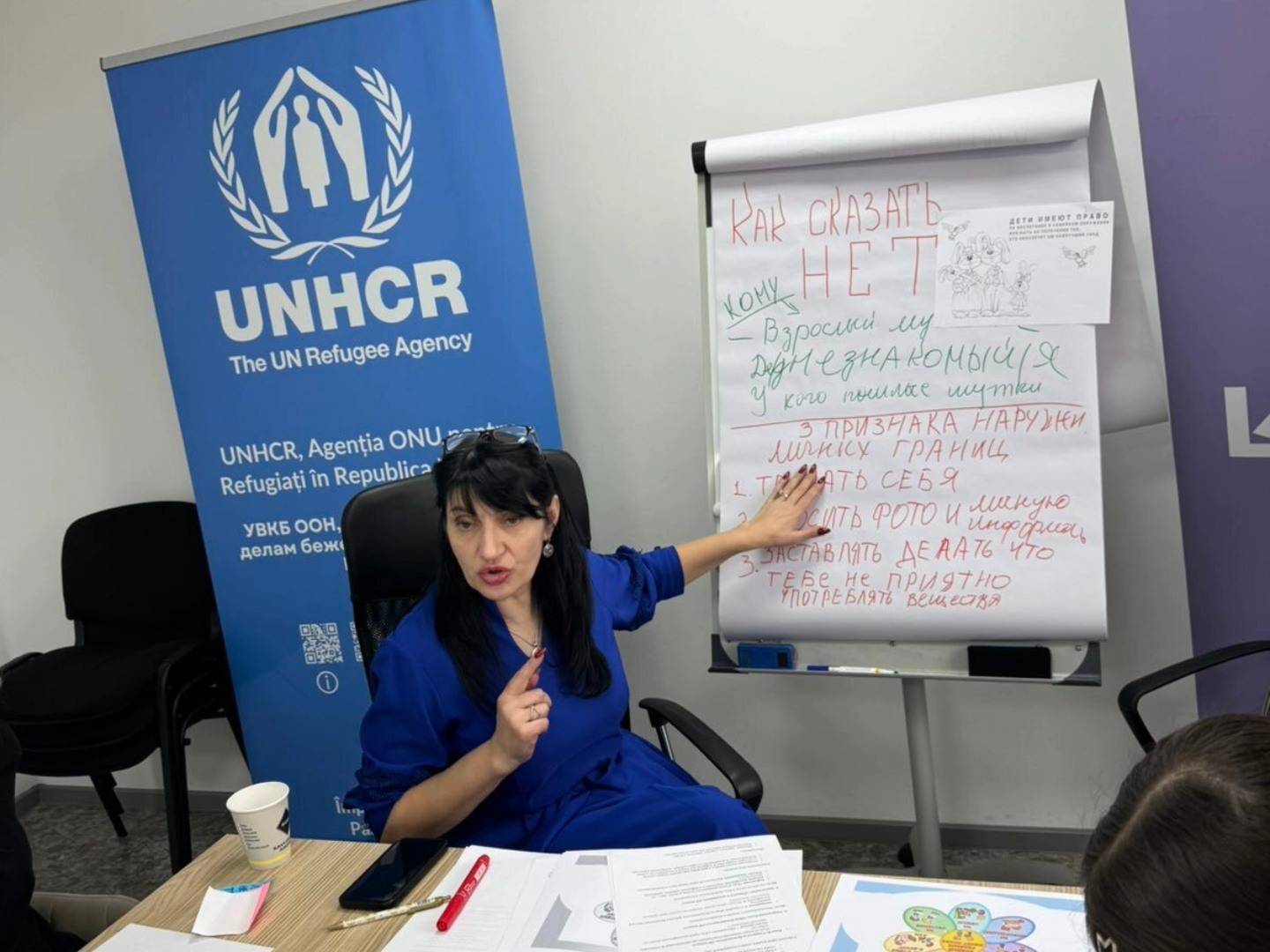
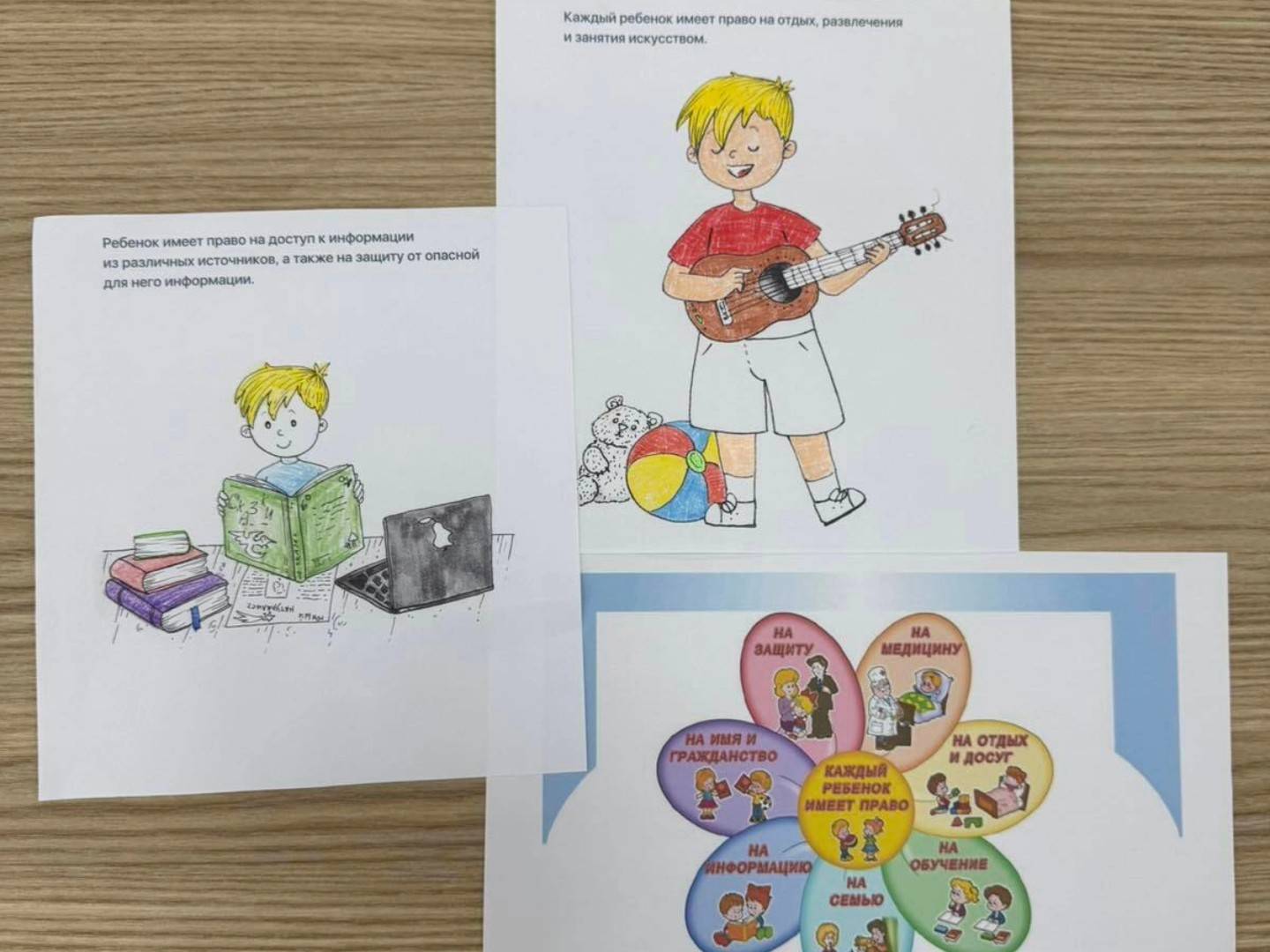
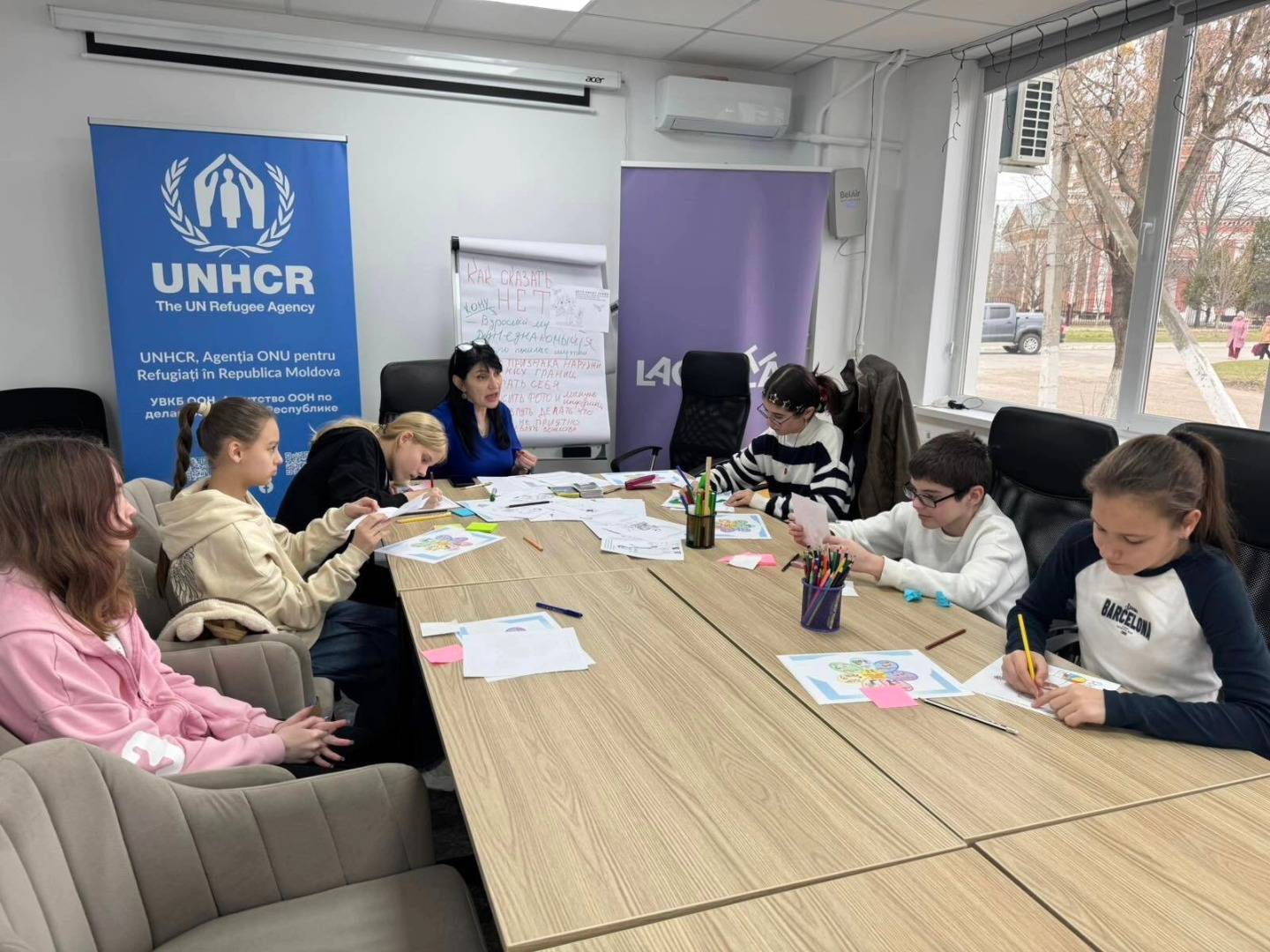
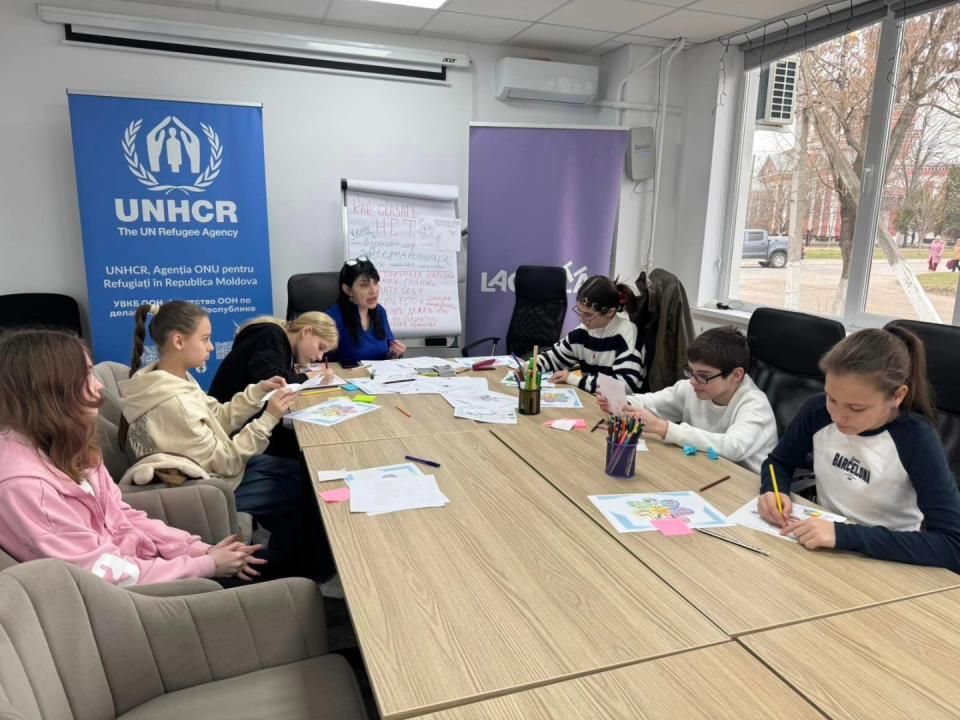
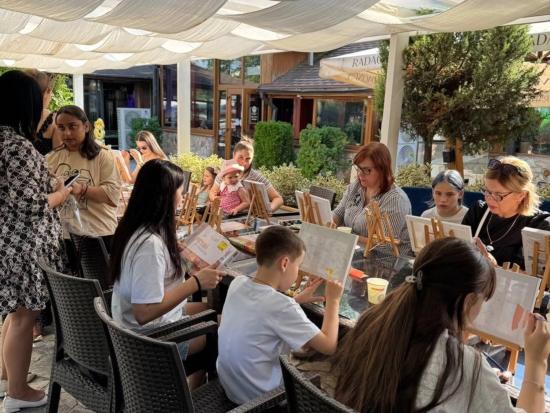
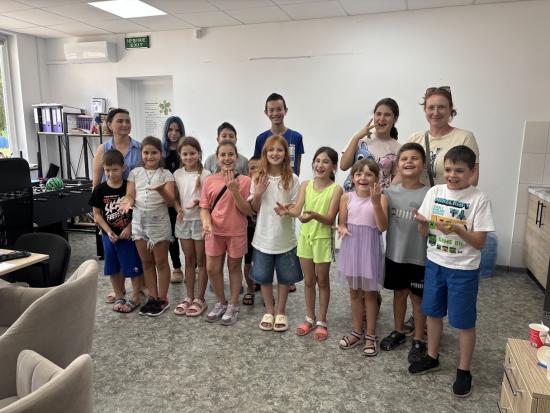
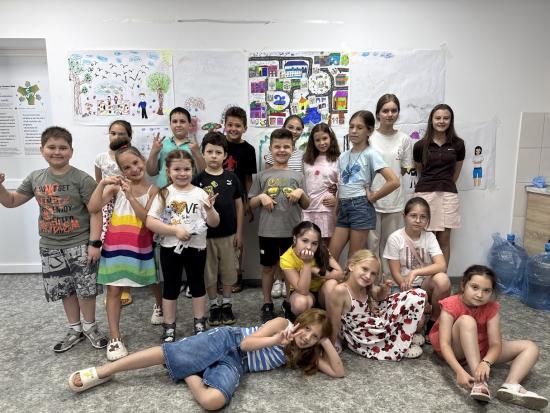
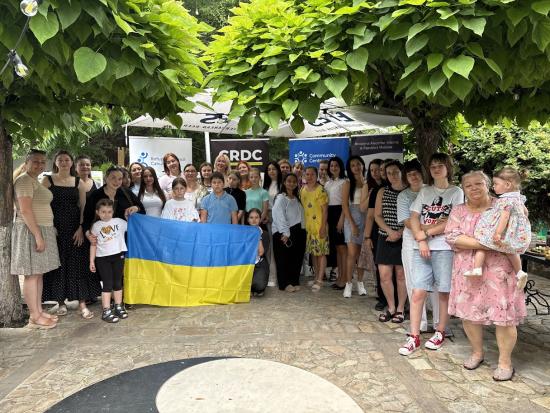
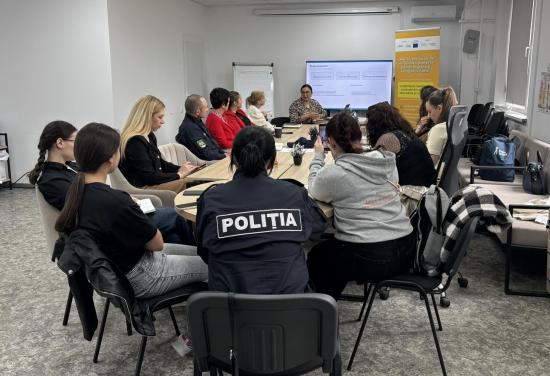
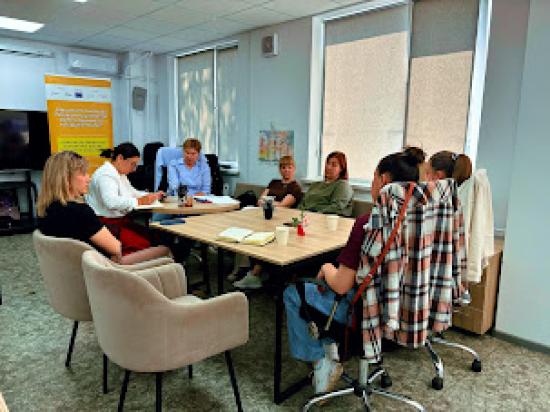
The Cahul Community Center hosted a new training session dedicated to education for abuse prevention, addressed to children and adolescents from the community. The activity aimed to increase awareness of different forms of abuse, identify warning signs, and develop appropriate response skills in risk situations.
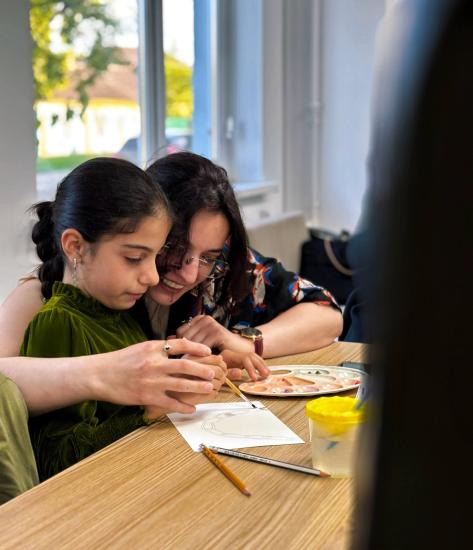
The workshop was designed in an interactive format adapted to the participants’ age, encouraging open dialogue, reflection, and active involvement.
Throughout the training, participants explored several key topics essential for understanding and preventing abuse:
What is abuse?
Through a brainstorming exercise, children and adolescents were invited to define the concept of abuse and identify how it may manifest in everyday life, within the family, at school, or in the online environment.
Forms and signs of abuse
The main types of abuse were discussed, with concrete examples and clear explanations:
physical abuse (violence, coercion);
psychological abuse (insults, threats);
emotional abuse (neglect, manipulation);
social abuse (exclusion, cyberbullying);
addictive behaviors (substance abuse, gambling, excessive use of technology).
Interactive game “Red Flag”
Through a practical activity, participants learned to recognize “warning signs” that may indicate abusive situations and to understand the importance of reacting appropriately and seeking help when faced with such circumstances.
Education for abuse prevention plays a vital role in creating a safe, balanced, and protective environment for children and adolescents. Through such activities, our organization aims to contribute to the development of essential skills that help young people protect themselves, communicate openly, and seek support when needed.
Child protection remains a strategic priority for our organization, and information and prevention sessions represent an important step in strengthening children’s safety and well-being at the community level.
The activity was organized within the project “Increasing resilience through employment and social cohesion”, implemented by a consortium of Helvetas, HEKS/EPER Moldova, and Norwegian Refugee Council, with financial support from Swiss Solidarity and Swiss Cooperation in Moldova.